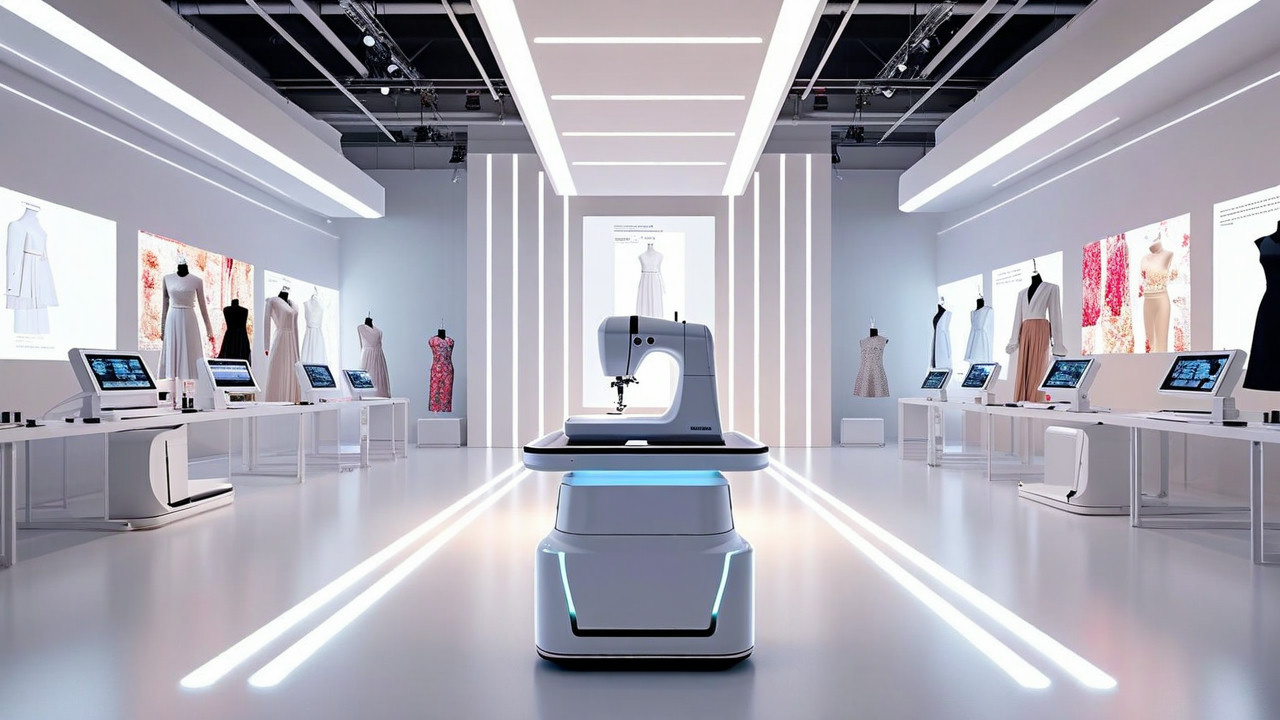
The impact of artificial intelligence on the fashion industry
Artificial intelligence (AI) is revolutionizing the fashion industry, reshaping how brands design, produce, market, and sell their products. From personalized shopping experiences to AI-driven design, the integration of machine learning and automation is transforming every aspect of the industry, making it more efficient, sustainable, and innovative.
Key areas where AI is transforming fashion
1. AI-powered design and trend forecasting
Fashion brands are leveraging AI to analyze vast amounts of data from social media, runway shows, and consumer behavior. Machine learning algorithms predict upcoming trends, enabling designers to create collections that align with market demand. Companies like H&M and Zara use AI-driven insights to develop trend-responsive fashion in real time.
2. Personalized shopping experiences
AI is enhancing online and in-store shopping experiences through:
- Virtual stylists: AI-powered chatbots and recommendation engines suggest outfits based on customer preferences.
- Smart mirrors: Interactive mirrors in stores allow shoppers to try on clothes virtually and receive personalized styling advice.
- Facial recognition and AI-driven sizing: Brands like ASOS and Uniqlo use AI to recommend the best-fitting clothes, reducing return rates and improving customer satisfaction.
3. AI in manufacturing and supply chain management
The use of AI in fashion production has streamlined manufacturing processes by:
- Automating quality control: AI-powered machines detect fabric defects and ensure high-quality garments.
- Optimizing inventory management: AI predicts demand, helping brands maintain the right stock levels and avoid overproduction.
- Enhancing sustainability: AI helps reduce waste by improving material usage and promoting eco-friendly production techniques.
4. AI-driven marketing and customer engagement
Fashion brands use AI to create personalized advertising campaigns and enhance customer engagement. AI-powered tools:
- Analyze consumer behavior: AI tracks online shopping habits and tailors marketing messages to individual customers.
- Generate content: AI-driven platforms like ChatGPT assist brands in creating compelling product descriptions and fashion blogs.
- Improve social media strategies: AI optimizes social media campaigns by identifying the best times to post and the most engaging content formats.
5. Virtual fashion and the rise of digital clothing
With the growing popularity of virtual fashion, AI is enabling brands to design digital garments for the metaverse and social media use. Companies like DressX and The Fabricant create AI-generated outfits that users can wear in digital spaces, reducing the environmental impact of physical clothing production.
6. AI in sustainability and ethical fashion
Sustainability is a key concern in the fashion industry, and AI is playing a crucial role in promoting ethical practices:
- Eco-friendly fabric innovation: AI assists in developing sustainable materials by analyzing data on fabric durability and environmental impact.
- Reducing textile waste: AI-powered design tools help brands minimize fabric waste by optimizing pattern layouts.
- Enhancing transparency: Blockchain and AI work together to improve supply chain traceability, ensuring ethical sourcing and fair labor practices.
Challenges and limitations of AI in fashion
Despite its advantages, AI in fashion faces several challenges:
- Creativity vs. automation: While AI can generate designs, it lacks the human touch and emotional connection that fashion designers bring to their work.
- High implementation costs: Integrating AI-powered systems requires significant investment, making it challenging for smaller brands to adopt the technology.
- Data privacy concerns: AI-driven personalization relies on customer data, raising concerns about data security and consumer privacy.
- Ethical implications: The rise of AI in fashion production may lead to job displacement in traditional roles such as textile manufacturing and retail sales.
The future of AI in the fashion industry
As AI continues to evolve, its role in the fashion industry is expected to grow in several key areas:
- AI-generated fashion shows: Virtual fashion shows using AI and augmented reality will become more common, allowing brands to showcase their collections in innovative ways.
- Advanced predictive analytics: AI will provide even more accurate trend forecasting, helping brands reduce waste and create demand-driven collections.
- Hyper-personalization: AI-driven shopping experiences will become even more customized, with virtual avatars and AI-generated wardrobe recommendations.
Integration with the metaverse: AI-powered fashion will merge with virtual worlds, allowing users to buy and wear digital clothing in online spaces.