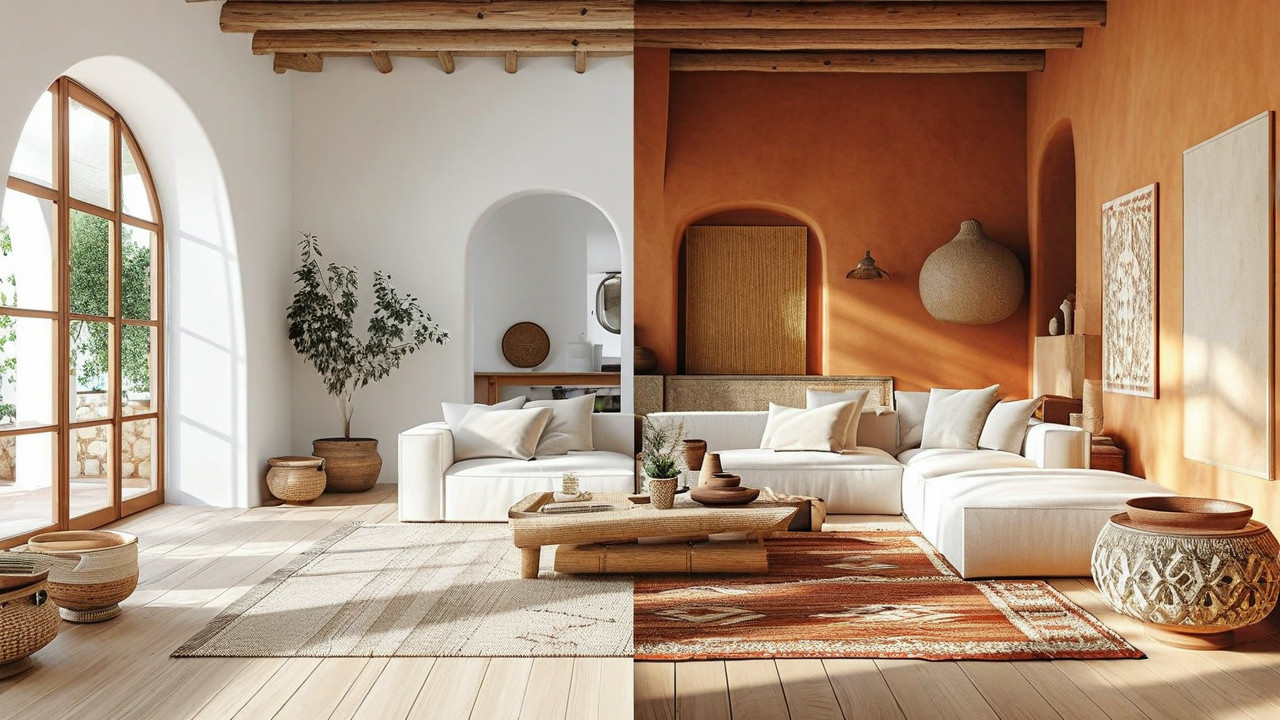
Understanding Scandinavian and Mediterranean interior styles
When designing a home, choosing the right style can significantly impact the atmosphere and functionality of your space. Scandinavian and Mediterranean designs are two of the most popular interior aesthetics, each offering a distinct charm, warmth, and character. Whether you prefer the clean, minimalistic appeal of Scandinavian design or the vibrant, sun-soaked essence of Mediterranean interiors, understanding their differences can help you decide which best suits your home.
The essence of Scandinavian design
Scandinavian design is rooted in simplicity, functionality, and a connection to nature. Originating from Nordic countries like Sweden, Denmark, and Norway, this style embraces minimalism while maintaining a cozy and inviting feel.
Key features of Scandinavian design:
Neutral color palettes: Soft whites, greys, and earthy tones create a light and airy atmosphere.
Natural materials: Wood, leather, and linen contribute to a warm, organic look.
Minimalist furniture: Clean lines, simple forms, and practical functionality define the aesthetic.
Abundant natural light: Large windows and light-reflecting surfaces maximize brightness.
Homes in colder climates where light and warmth are essential.
Small spaces needing an open, uncluttered feel.
People who appreciate minimalist, functional aesthetics with a touch of coziness.
The charm of Mediterranean design
Inspired by coastal regions of Spain, Italy, and Greece, Mediterranean design embodies warmth, nature, and timeless elegance. This style reflects a relaxed yet sophisticated approach, blending rustic charm with artisanal craftsmanship.
Key features of Mediterranean design:
Warm, earthy color schemes: Terracotta, deep blues, ochre, and sandy neutrals evoke a coastal feel.
Textured walls and ceilings: Plaster, stucco, or exposed stone add depth and authenticity.
Handcrafted furniture and decor: Wrought iron, ceramic tiles, and carved wood bring character and tradition.
Indoor-outdoor flow: Large terraces, open courtyards, and natural elements connect the home to its surroundings.
Homes in warmer climates that embrace open-air living.
Large spaces with high ceilings and natural ventilation.
Those who enjoy a rich, decorative, and earthy aesthetic with a sense of tradition.
Comparing Scandinavian and Mediterranean design
Feature
Scandinavian Design
Mediterranean Design
Color Palette
Light neutrals, soft greys, muted tones
Warm, earthy hues, deep blues, terracotta
Materials
Light woods, wool, linen, leather
Stucco, stone, ceramic tiles, wrought iron
Furniture Style
Minimalist, functional, sleek lines
Ornate, rustic, handcrafted furniture
Lighting
Bright, natural, and warm ambient lights
Natural sunlight with warm, moody lighting
Textures
Soft textiles, simple geometric patterns
Rich textures, mosaic tiles, and carved details
Atmosphere
Cozy, clean, and uncluttered
Warm, lively, and inviting
Which design suits your home?
Choose Scandinavian design if:
You love clean lines, neutral colors, and a clutter-free environment.
Your space is small and needs to feel more open and airy.
You prefer a minimalist yet cozy approach to interior decor.
You live in a region with limited natural light and want to maximize brightness.
Choose Mediterranean design if:
You enjoy bold colors, rich textures, and handcrafted details.
Your home has large, open spaces and access to natural light.
You prefer a warm, inviting atmosphere with a rustic, coastal feel.
You appreciate traditional architecture with artistic elements.
Blending both styles for a unique aesthetic
If you’re drawn to elements of both styles, consider combining them for a Scandinavian-Mediterranean fusion. This hybrid approach allows you to incorporate the minimalism and light tones of Scandinavian interiors with the warmth and natural textures of Mediterranean spaces. Some ways to achieve this blend include:
Using neutral Scandinavian base colors with Mediterranean accent pieces like ceramic tiles or rustic wood.
Mixing simple, sleek furniture with handcrafted decor such as woven baskets or pottery.
Introducing light wood furniture while incorporating earthy Mediterranean textiles like linen curtains or jute rugs.