Physical Address
304 North Cardinal St.
Dorchester Center, MA 02124
Physical Address
304 North Cardinal St.
Dorchester Center, MA 02124

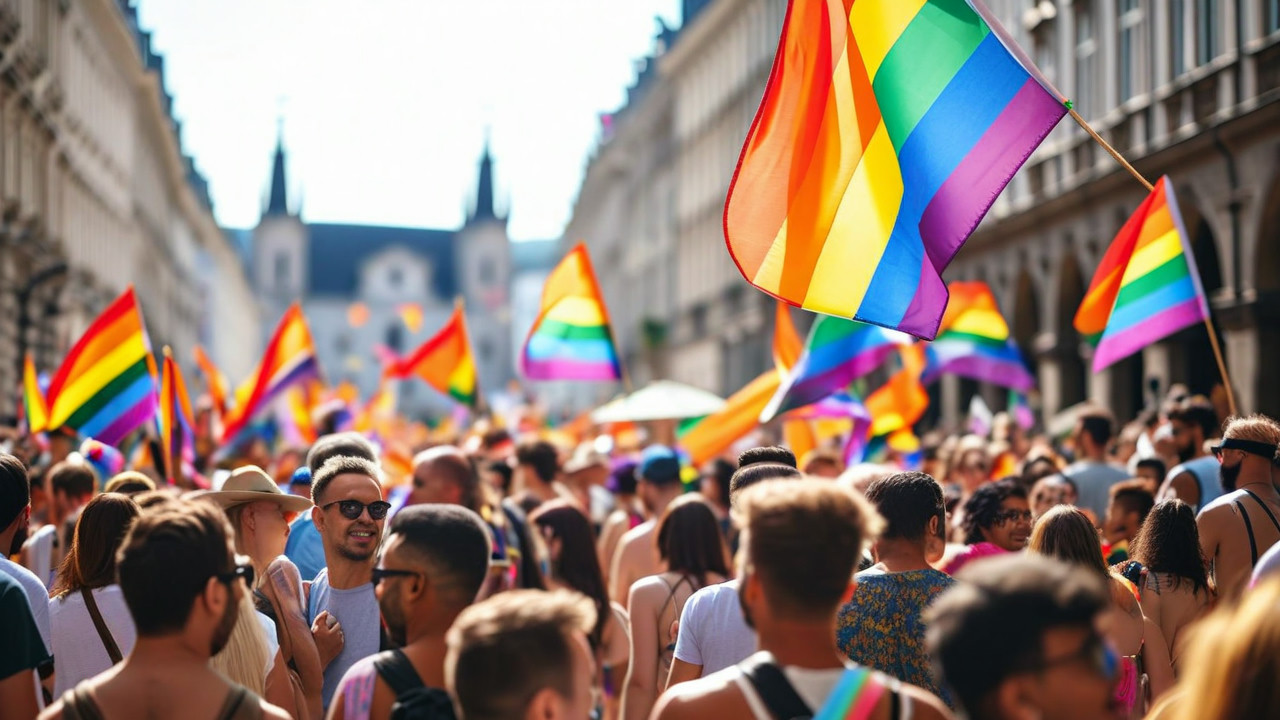
European societies have undergone significant shifts in attitudes toward sexuality over the past few decades. Driven by changing social norms, advancements in gender equality, and evolving legal frameworks, sexuality in Europe is increasingly defined by openness, inclusivity, and personal freedom. From LGBTQ+ rights to discussions on sexual education, the landscape is evolving in ways that reflect both progressive ideals and ongoing cultural debates.
Sexuality in Europe has historically been shaped by religious influences, social norms, and legal restrictions. Until the late 20th century, many countries maintained conservative views on topics like homosexuality, contraception, and premarital sex. However, societal movements, legal reforms, and global influences have contributed to a more liberal and accepting stance on sexuality across much of the continent.
Laws protecting LGBTQ+ individuals have expanded significantly, with many European nations legalizing same-sex marriage, adoption, and gender recognition rights. Countries like the Netherlands, Spain, and Sweden lead the way in LGBTQ+ inclusivity, while even more traditionally conservative nations are gradually embracing legal protections.
Comprehensive sexual education has played a crucial role in shaping progressive attitudes. Countries like Sweden and the Netherlands have long implemented inclusive, fact-based curricula covering consent, gender identity, and sexual health. In contrast, some Eastern European nations continue to face challenges in implementing modern sexual education policies.
Feminist and gender equality movements have reshaped conversations around sexuality, promoting bodily autonomy, consent awareness, and reproductive rights. The #MeToo movement had a particularly strong impact in countries like France, Germany, and the UK, where discussions on sexual harassment and consent laws gained momentum.
Social media, streaming platforms, and online communities have contributed to changing sexual attitudes, offering spaces for open dialogue and representation. Shows like Sex Education and Élite challenge traditional taboos, normalizing discussions about sexuality for younger audiences.
Despite a general trend toward liberalization, attitudes toward sexuality vary significantly between Western, Northern, and Eastern Europe:
Despite significant progress, several challenges remain:
Looking ahead, the evolution of sexuality in Europe is likely to continue toward greater inclusivity and personal freedoms. Key trends include: