Physical Address
304 North Cardinal St.
Dorchester Center, MA 02124
Physical Address
304 North Cardinal St.
Dorchester Center, MA 02124

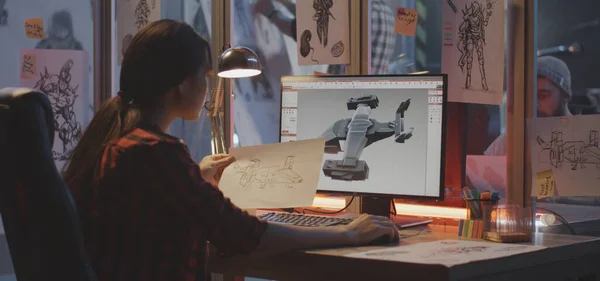
In 2025, artists are seeking more than inspiration, they want platforms to explore new mediums and challenge norms. AI residencies offer a space where creativity meets computation. These programs encourage cross-disciplinary innovation, giving artists access to technical tools and mentoring.
Residencies hosted by organizations like Ars Electronica, The Goethe-Institut, or Meta Open Arts are redefining contemporary art. They connect creatives with engineers, data scientists, and ethicists, expanding the narrative potential of digital expression.
Unlike conventional artist residencies focused on solitude and self-reflection, AI residencies are dynamic, collaborative, and future-facing. Participants co-create with algorithms, engaging in rapid prototyping, speculative design, and digital ethics discussions.
This intersection promotes a deeper understanding of how technology reshapes artistic boundaries.
Artists in AI residencies often use tools like GANs (Generative Adversarial Networks) or NLP models to generate imagery, text, or sound. These technologies open paths to new aesthetics rooted in randomness, mutation, and iteration.
Projects range from generative sculptures to data-driven paintings. Some explore glitches, others mimic organic patterns or simulate emotional tones. The result is not just art created by code, but works that question authorship and perception.
The best programs aim to be. Many residencies provide remote access, virtual studios, and funding for diverse applicants. They are opening doors for underrepresented voices in the digital art space.
Still, challenges remain in terms of language barriers, hardware requirements, and AI literacy. Bridging these gaps is key to ensuring AI-enhanced creativity isn’t reserved for a technological elite.
Working with AI requires artists to rethink their creative role. Algorithms introduce unpredictability. They challenge control and force creators to navigate new workflows and outcomes.
Despite these hurdles, artists are finding meaningful ways to engage with code and build personal, expressive systems.
Institutions are paying attention. AI residencies are inspiring changes in how art is taught and exhibited. Universities are updating curricula, museums are curating algorithm-informed works, and galleries are becoming more tech-aware.
Residencies are now seen as incubators for critical dialogue. They generate art that reflects and critiques the digital world, offering new frameworks for interpreting cultural production.
AI residencies are not just temporary programs, they are cultural laboratories where the future of art is being designed. As artists and machines continue to collaborate, creativity expands into uncharted territories filled with possibility.