Physical Address
304 North Cardinal St.
Dorchester Center, MA 02124
Physical Address
304 North Cardinal St.
Dorchester Center, MA 02124

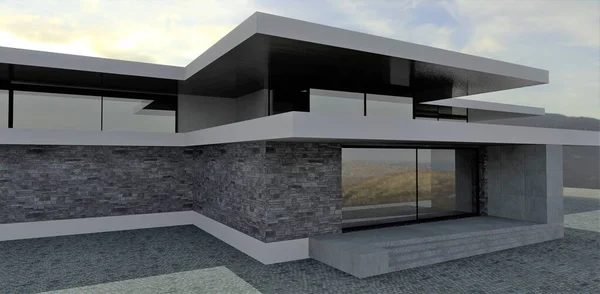
The construction industry in 2025 is prioritizing speed, sustainability, and cost-efficiency. Modular architecture delivers on all three fronts. By prefabricating building components off-site and assembling them on location, this method reduces labor time and material waste.
Developers across Europe are adopting modular systems for residential, commercial, and emergency housing. Governments support this approach to meet climate goals and housing demands more efficiently.
Modular buildings use fewer resources and generate less waste. Factories that produce modular units optimize materials and recycle scraps. On-site waste is minimal, and energy consumption during construction is significantly lower.
Modular doesn’t mean monotonous. Today’s modular architecture offers flexibility in aesthetics and function. Designers can stack, rotate, or expand units to create dynamic, visually appealing structures that meet diverse spatial needs.
Absolutely. Modern modular homes meet or exceed the performance of traditional buildings. They comply with local building codes, often offer better insulation, and are tested for durability and safety before transport.
Clients benefit from predictable costs, faster delivery times, and high-quality finishes. What once felt like a compromise is now a smart, efficient choice for future-ready living.
Countries like Sweden, Germany, and the Netherlands are at the forefront. Companies such as BoKlok (a Skanska and IKEA collaboration) and Dutch firm Sustainer Homes are setting examples with scalable, green modular solutions.
Academic institutions and architectural studios are also investing in research to advance modular techniques, focusing on affordable housing, circular design, and disaster resilience.
The future is modular. As cities grow and environmental concerns intensify, modular architecture will play a key role in building smarter, faster, and greener. Governments and private developers are expected to expand investment in modular tech, reshaping the built environment for decades.
Standardization, digital fabrication, and AI integration will further streamline design and production, making modular the go-to approach for sustainable architecture in the years ahead.
Modular architecture is no longer an alternative, it’s becoming the standard. Its blend of design flexibility, environmental responsibility, and economic value is defining the future of construction in 2025.