Physical Address
304 North Cardinal St.
Dorchester Center, MA 02124
Physical Address
304 North Cardinal St.
Dorchester Center, MA 02124

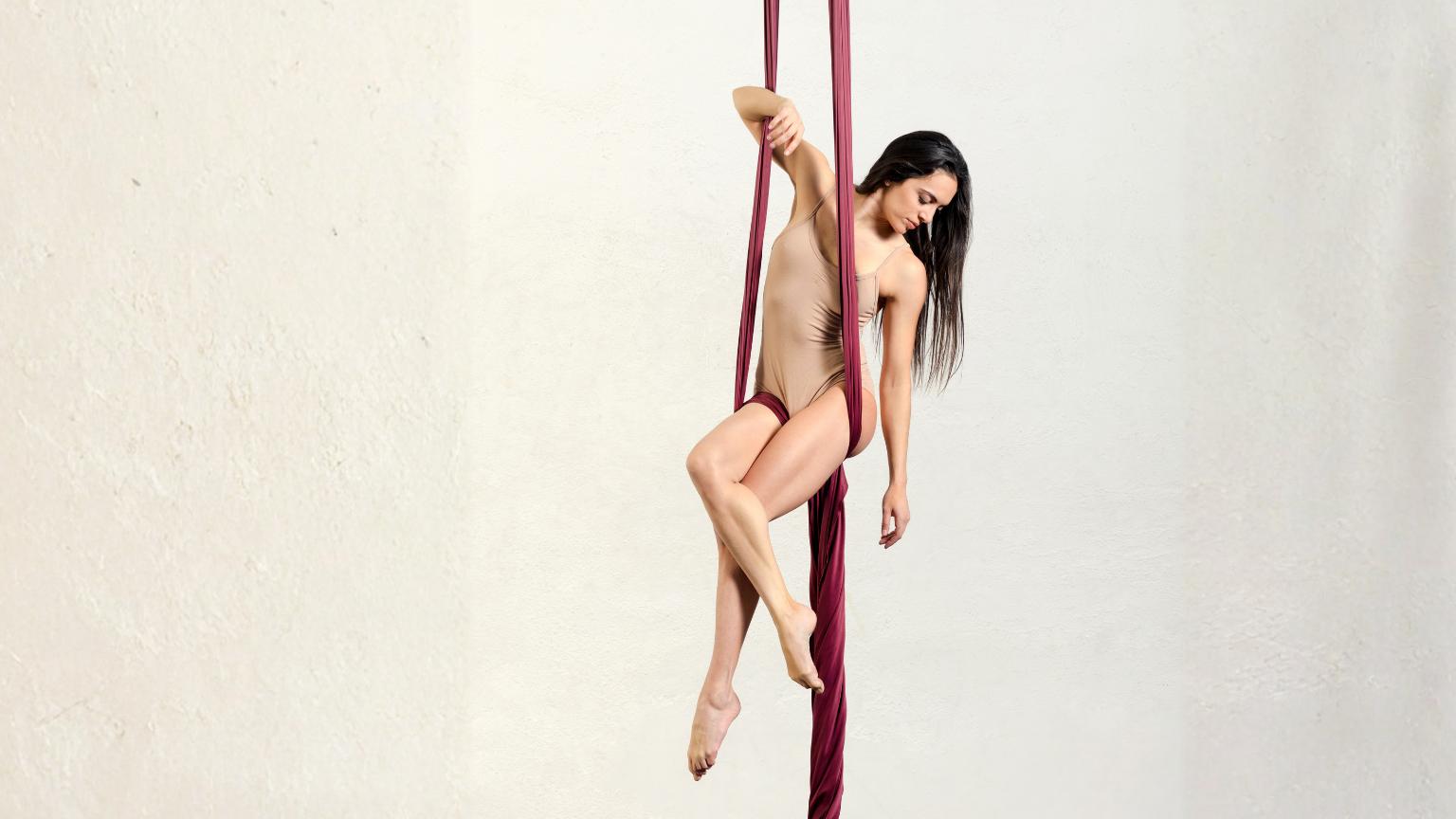
Aerial fitness has emerged as a growing discipline within the world of aerial sports. While it shares technical foundations with traditional aerial practices, its functional approach, accessibility, and focus on physical conditioning set it apart from more classical aerial disciplines linked to performance or circus arts.
This article explores the benefits of aerial fitness compared to other traditional aerial sports, focusing on training structure, accessibility, safety, and the profiles of people who practice it.
Aerial fitness combines strength training, mobility work, and body control exercises using suspended equipment. Unlike traditional aerial sports, its primary objective is not artistic performance but overall physical conditioning and functional movement.
Classical aerial disciplines often require a high level of technical skill from the early stages, which can limit accessibility. Aerial fitness adapts aerial techniques to a broader fitness context, allowing gradual progression and making it suitable for a wider range of participants.
This distinction has contributed to its expansion beyond circus environments into fitness studios and wellness-focused spaces.
One of the main advantages of aerial fitness is its ability to engage multiple muscle groups simultaneously. Training in suspension encourages full-body activation while reducing joint impact.
Key physical benefits include:
Compared to other aerial sports, aerial fitness emphasizes controlled movement and alignment, supporting long-term practice and injury prevention.
Traditional aerial sports include disciplines such as aerial yoga, aerial straps, and trapeze for acrobatics, each with distinct characteristics.
Aerial yoga focuses primarily on flexibility, stretching, and breath control. Its slower pace is oriented toward relaxation and recovery. Aerial fitness, by contrast, incorporates higher-intensity exercises that blend strength, stability, and dynamic movement.
Aerial straps are typically associated with advanced strength training and acrobatic performance. While they may be included within aerial fitness programs, the fitness-oriented approach adapts their use to different skill levels, reducing technical barriers.
Trapeze for acrobatics requires a higher degree of specialization and technical training. Aerial fitness applies similar principles but simplifies movement structures to prioritize conditioning rather than complex aerial sequences.
Accessibility is one of the defining advantages of aerial fitness. It does not require prior experience or a specific athletic background, making it approachable for a broader population.
Training sessions are generally designed with progressive levels, allowing participants to adapt exercises to their physical condition. This gradual progression reduces the intimidation factor often associated with traditional aerial sports.
As a result, aerial fitness attracts individuals who may be interested in aerial movement but are not seeking a performance-based or highly technical discipline.
Safety is a critical element in any aerial activity. In aerial fitness, both session design and equipment selection are oriented toward minimizing risk.
Exercises are typically performed at lower heights, with an emphasis on controlled transitions and proper technique. This approach helps reduce the likelihood of falls or excessive strain.
In comparison, traditional aerial sports may involve higher elevations, faster transitions, or performance-driven movements that increase technical demands and potential risk.
Aerial fitness appeals to a diverse group of practitioners. It is commonly practiced by individuals looking for an alternative to conventional strength training, as well as those with backgrounds in yoga, pilates, or dance.
It also attracts people interested in aerial movement without the pressure of artistic performance. This diversity contrasts with traditional aerial sports, which often attract practitioners focused on competition, performance, or specialized training.
Beyond physical conditioning, aerial fitness contributes to mental well-being. Working in suspension enhances spatial awareness and concentration, fostering a stronger mind-body connection.
The gradual progression and sense of control in the air can improve confidence and focus. These mental benefits are present in other aerial sports as well, but the non-competitive nature of aerial fitness makes them more accessible to a wider audience.
The expansion of aerial fitness reflects a broader shift in how aerial sports are perceived. By blending technical aerial elements with a functional fitness approach, it offers a balanced alternative to traditional aerial disciplines.
Its emphasis on accessibility, safety, and physical conditioning explains why aerial fitness continues to gain popularity in fitness and wellness environments.