Physical Address
304 North Cardinal St.
Dorchester Center, MA 02124
Physical Address
304 North Cardinal St.
Dorchester Center, MA 02124

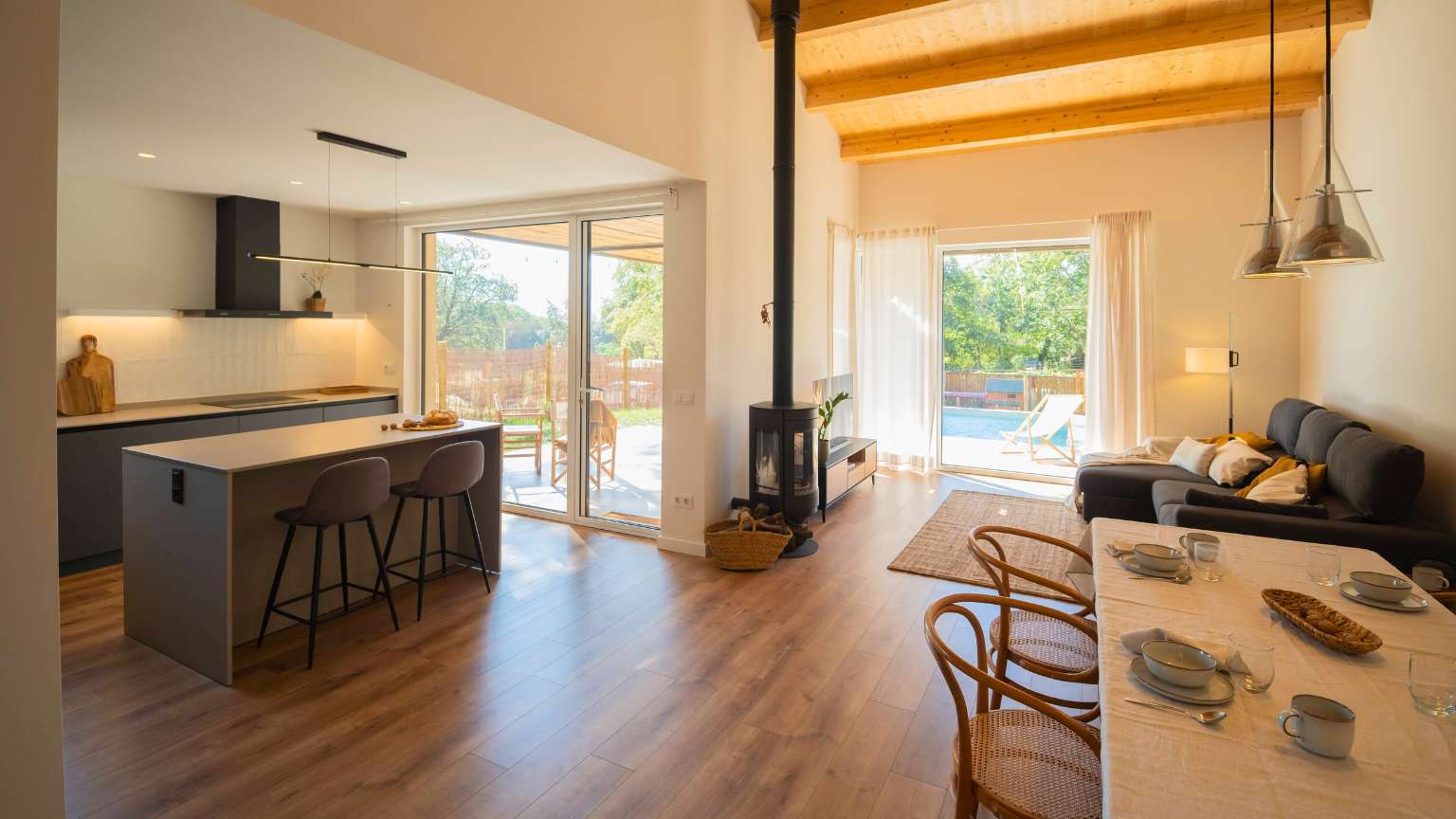
In today’s world, homes and commercial spaces are more than functional shelters—they are environments that influence mood, productivity, and even health. The growing focus on architecture and interior design as a unified discipline reflects this shift in how people experience space. Rather than treating structure and aesthetics as separate phases, many design professionals now approach both as part of a single vision.
This integration results in spaces that are not only more harmonious but also more aligned with the way people live and move through the world.
The traditional approach to building design often separated architecture from interior planning. Architects focused on structure and form, while interior designers worked on finishes and furnishings after the fact. Today, that model has evolved.
By collaborating from the earliest stages of a project, architects and interior designers are able to:
This collaborative process not only improves the aesthetic value of a space but also its functionality, sustainability and emotional resonance.
As lifestyles evolve, so do the requirements of our built environments. Homes are now offices, retreats and gathering spaces all in one. This has redefined the priorities of both architectural and interior design professionals.
Modern projects often emphasise:
When architecture and interiors are developed as one, the resulting space feels coherent and supportive of these new demands.
Beyond function, good design addresses how a space feels. The materials chosen, the direction of light, and the textures applied all contribute to emotional perception. Integrating architectural decisions with interior finishes enhances this effect.
Key elements in emotionally intelligent design include:
This careful orchestration of space and sensation is only possible when architects and interior designers work together with a shared vision from the outset.
Sustainability is no longer a feature—it is a necessity. When architecture and interior design are approached together, decisions about energy use, material sourcing and long-term adaptability can be made with greater impact.
Integrated teams can achieve:
These practices not only reduce environmental impact but also contribute to the longevity and relevance of the space over time.
The growing preference for cohesive, purpose-driven spaces is reshaping how the built environment is conceived. Architecture and interior design are no longer separate services—they are parts of the same creative and technical language. This unified approach results in environments that feel more human, intuitive and responsive.
As design professionals continue to collaborate across disciplines, the outcomes will reflect deeper thinking, greater efficiency, and more meaningful experiences for the people who inhabit them.