Physical Address
304 North Cardinal St.
Dorchester Center, MA 02124
Physical Address
304 North Cardinal St.
Dorchester Center, MA 02124

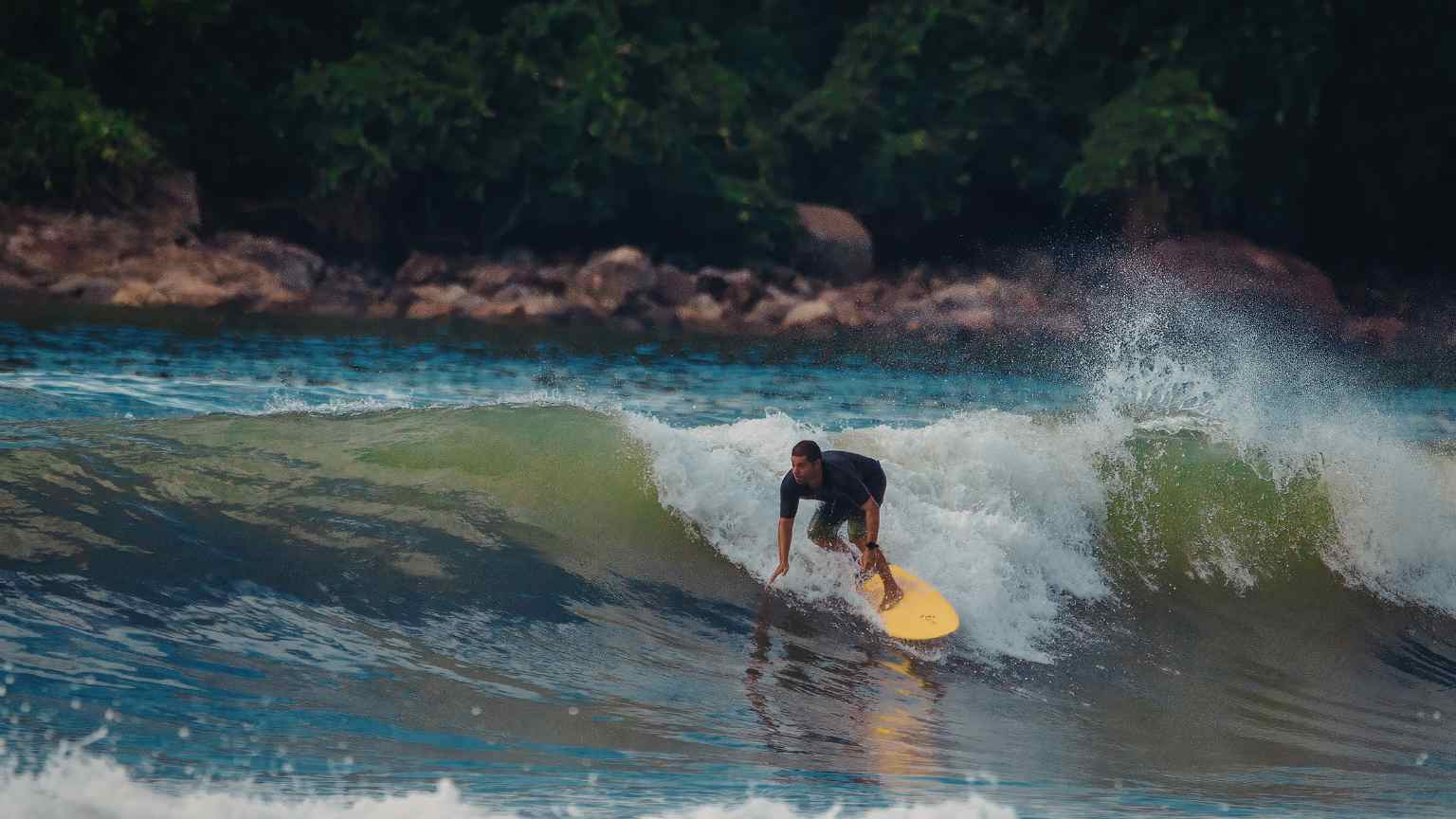
Surf in Tenerife has positioned the island as one of Europe’s most consistent destinations for wave riding. Thanks to its volcanic coastline, stable climate, and exposure to Atlantic swells, the island offers reliable conditions throughout the year. Those interested in ocean sports often consult specialized surf portals and local surf school platforms to better understand seasonal patterns before planning a trip.
Located in the Canary Islands, Tenerife benefits from mild temperatures in every season. Air and water conditions remain favorable, allowing both beginners and advanced surfers to practice surf comfortably without extreme weather limitations.
The consistency of surf in Tenerife is largely due to its geographical position in the Atlantic Ocean. The island receives swells from the north and northwest, especially during autumn and winter. At the same time, southern beaches remain protected from strong winds.
Unlike mainland Europe, Tenerife does not experience dramatic seasonal temperature shifts. Water temperatures range between 19°C and 23°C, making surf accessible without heavy winter gear for much of the year.
From October to March, powerful Atlantic swells reach the northern coastline. This period attracts experienced surfers seeking larger waves and more technical reef breaks.
Advanced riders often look for structured reef formations that create defined wave shapes. These conditions can be demanding and require knowledge of tides and currents.
During spring and summer, surf in Tenerife becomes more beginner-friendly. The southern coast, particularly around Playa de las Américas, offers smaller and more manageable waves.
This season sees increased participation in surf school programs. Smaller wave sizes allow structured learning in controlled conditions.
Tenerife offers diverse surf spots across the island. Each area responds differently to wind direction and swell size, which allows surfers to adapt depending on the forecast.
Playa de las Américas is one of the most recognized surf zones on the island. It features reef breaks suitable for intermediate and advanced surfers, alongside softer peaks ideal for surf school sessions.
This area also hosts events and gatherings that reflect the island’s evolving surf culture.
El Médano is known for its wind exposure. While it is popular for windsurfing, it also offers suitable surf conditions when winds decrease.
The beach break makes it a versatile location for training and technical practice.
The north of Tenerife presents stronger and more consistent swells during winter months. Locations near Puerto de la Cruz offer powerful waves, attracting experienced riders.
These spots require caution due to volcanic reefs and stronger currents.
The steady growth of surf in Tenerife has encouraged the development of structured learning environments. Surf school programs provide technical instruction, safety education, and ocean awareness.
Participants can often visit recognized surf school directories or local training centers to compare methodologies and group formats.
Surf camp Tenerife experiences combine accommodation, lessons, and community activities. These programs typically include:
The surf camp Tenerife model appeals to travelers seeking immersive experiences rather than isolated lessons.
Surf in Tenerife has also evolved socially. In recent years, the presence of women-focused initiatives has increased across Europe. The concept of a women’s club within surf culture promotes inclusion and confidence-building in the water.
These communities prioritize:
The women’s club format reflects a broader movement within the surf industry. It emphasizes access and representation while maintaining technical standards.
Observers note that such initiatives have contributed to the diversification of surf in Tenerife. Participation from different age groups and backgrounds continues to expand.
Although surf in Tenerife is available year-round, understanding forecasts remains essential. Swell size, tide cycles, and wind direction significantly influence daily conditions.
Professional surf school instructors typically monitor:
For travelers, reviewing independent surf reports and consulting established surf camp Tenerife resources helps align expectations with seasonal reality.
Ocean awareness is particularly important on reef breaks. Knowledge of entry and exit points reduces risk and enhances safety.
Equipment choice depends on wave size and surfer level. Beginners in surf school programs usually start with soft-top boards. These boards offer stability and reduce injury risk.
Intermediate and advanced surfers may transition to:
The island’s varied coastline allows consistent progression. Surfers can begin on smaller southern beach breaks and gradually explore more challenging reef setups.
Surf in Tenerife represents more than a sport. It contributes to local tourism, outdoor wellness, and community building.
Beyond structured surf school lessons and surf camp Tenerife programs, informal gatherings and women’s club initiatives reflect the cultural dimension of wave riding.
The island’s climate encourages outdoor living. Yoga sessions, functional training, and ocean conservation activities often complement surf practice.