Physical Address
304 North Cardinal St.
Dorchester Center, MA 02124
Physical Address
304 North Cardinal St.
Dorchester Center, MA 02124

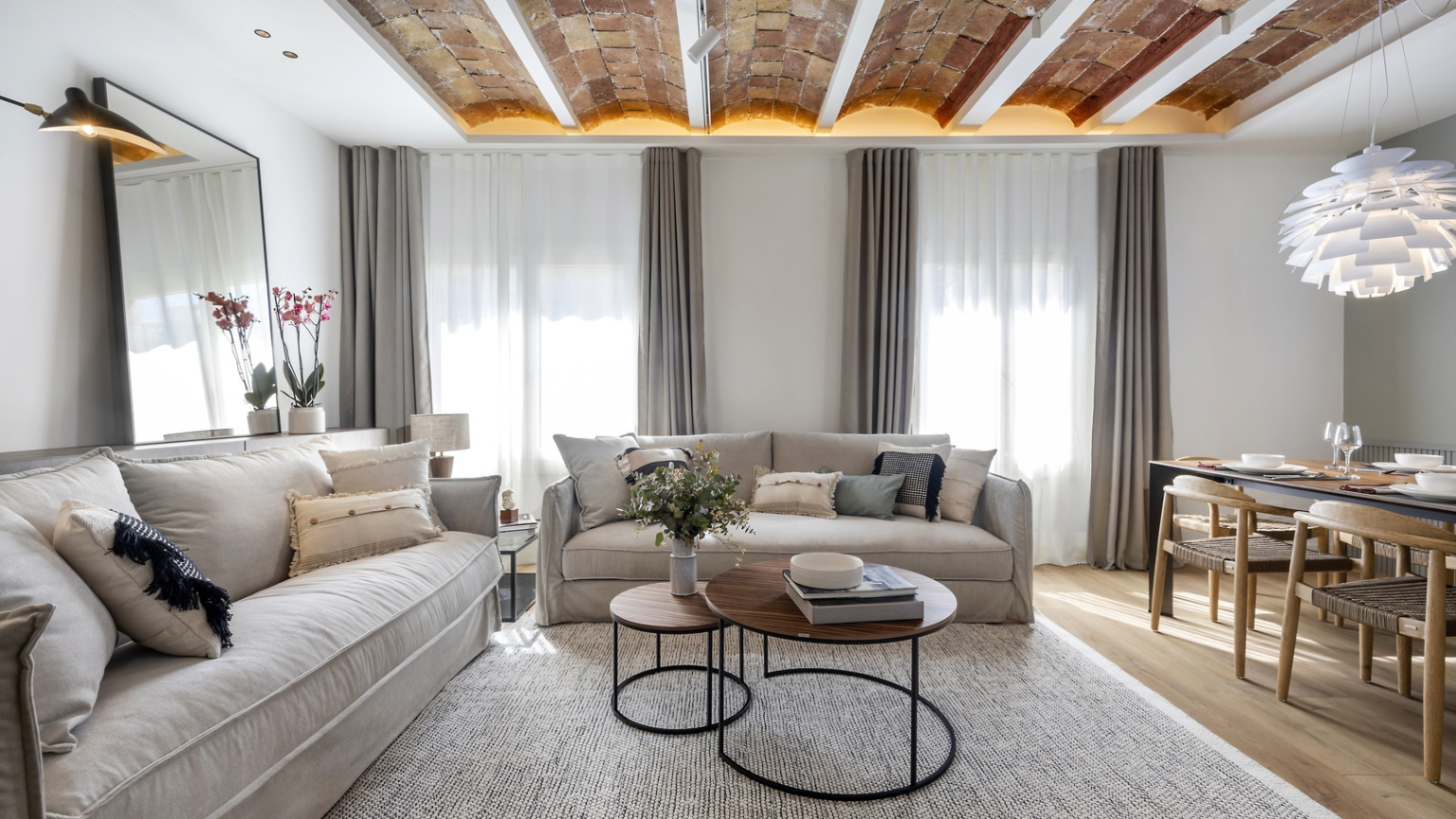
Many visitors admire Barcelona's buildings but miss their deeper stories. Discover the rich history and diverse styles that define the city's unique.
Lighting plays a fundamental role in the way we experience a home. Beyond simple functionality, light shapes the atmosphere of a space, influences comfort and enhances the perception of materials, textures and volumes.
In contemporary architecture and interior design, lighting is considered a key design element. When used thoughtfully, it can transform a house into a warm and welcoming environment that improves everyday living.
Lighting is not only about visibility. It also affects how a space feels and how people interact with it.
Good lighting design can make a room feel more spacious, calm or intimate. It helps highlight architectural elements and creates a balanced relationship between the interior space and its surroundings.
Architects and interior designers often consider lighting from the earliest stages of a project. Natural light, orientation and window placement are essential decisions that shape the atmosphere of the home.
When lighting is integrated into the design concept, the result is a harmonious space that supports comfort and wellbeing.
Natural light is one of the most valuable elements in residential architecture. It brings warmth, enhances colours and connects interior spaces with the outside environment.
Homes that receive abundant natural light tend to feel more open and inviting. Sunlight can also improve mood and contribute to a healthier daily routine.
Architectural design strategies such as large windows, interior patios, skylights or carefully positioned openings help maximize daylight throughout the home.
By carefully studying the orientation of the building and the surrounding environment, designers can create spaces that capture light in a natural and balanced way.
Artificial lighting complements natural light and allows spaces to adapt to different moments of the day.
Different types of lighting serve different purposes:
When these layers of lighting are combined correctly, they create depth and visual interest while improving comfort and functionality.
Warm lighting tones are often preferred in residential spaces because they generate a sense of calm and relaxation.
Lighting plays a crucial role in how materials are perceived. Natural materials such as wood, stone or textured fabrics reveal their character differently depending on the light that illuminates them.
Soft and carefully directed lighting can emphasize the beauty of these elements and create a more refined atmosphere.
In interior design focused on simplicity and elegance, lighting becomes a subtle tool that enhances the essence of the space rather than dominating it.
This approach allows the materials, proportions and architectural details to stand out naturally.
A well-designed lighting scheme can transform a house into a comfortable and inviting home.
Soft transitions between light and shadow create a more relaxed environment. Adjustable lighting systems also allow residents to adapt the atmosphere according to their needs.
For example, brighter lighting may be appropriate during the day for activity and productivity, while softer lighting in the evening supports rest and relaxation.
Thoughtful lighting design therefore contributes not only to aesthetics but also to quality of life.
In contemporary residential architecture, lighting is no longer considered an afterthought. Instead, it is integrated as an essential part of the design process.
Architects carefully study how light enters a space, how it interacts with surfaces and how artificial lighting can complement natural illumination.
When lighting, materials and spatial design work together, the result is a home that feels balanced, warm and timeless.
Good lighting design ultimately helps transform a living space into a place where comfort, beauty and functionality coexist naturally.