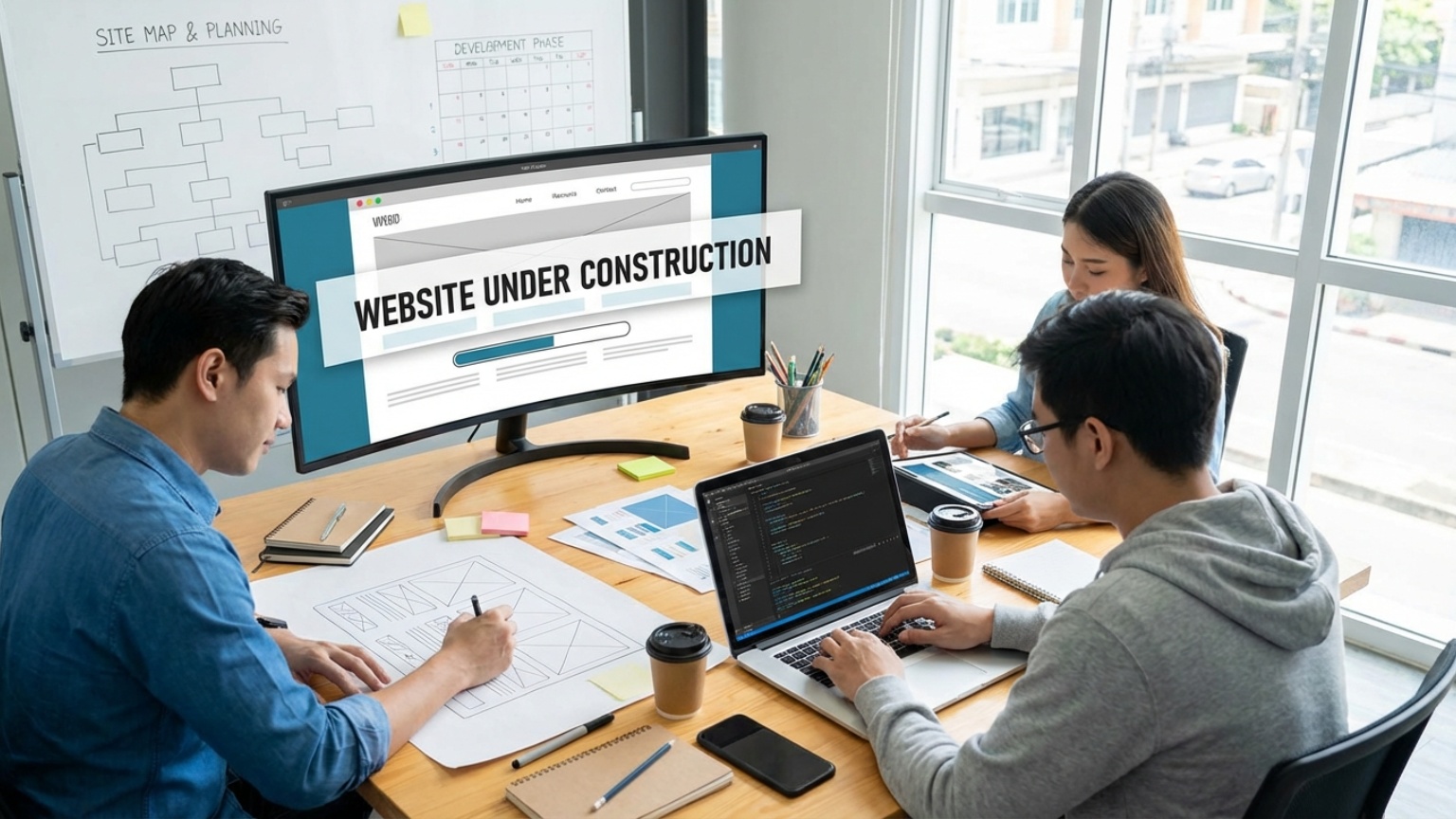
Encountering a webpage that states ‘under construction’ can create uncertainty for users. They often wonder about the current status and the estimated time for a full launch. Understanding the process behind website construction helps manage these expectations. This article explores the phases of web development.
1. What does the construction phase of a website involve?
The construction phase of a website involves several important steps to build or update an online presence. This period means the site is not yet fully ready for the public, but work is actively happening behind the scenes.
It covers everything from initial ideas to the final launch, making sure the website works well and looks good.
- Planning and design: This initial step defines the website’s purpose, target audience, and overall structure. For example, a business might decide its site needs a clear online store, a blog, and a contact form to serve its customers.
- Content creation: During this phase, all text, images, and videos for the website are prepared. This ensures the site has valuable and relevant information for its future visitors.
- Development and coding: Developers use programming languages to build the website’s functions and features. They translate the design into working code, making the site interactive.
- Testing and quality assurance: Before launch, the website undergoes thorough checks for errors, broken links, and display issues. This step helps fix any problems and ensures the site works correctly on various devices.
- Deployment: This is the final step where the completed website goes live and becomes accessible to the public. It means moving the site from a testing environment to a public server.
This construction phase is crucial for creating a functional and effective website. It establishes the groundwork for a positive user experience and helps the site achieve its goals.
2. Why is detailed planning crucial for website construction?
- Clear Goals: Planning helps define what the website needs to achieve. This includes identifying the target audience and the primary purpose, such as selling products or providing information.
- User Experience: A detailed plan ensures the site is easy for visitors to use. It considers navigation, layout, and how users will interact with the content.
- Content Strategy: This step involves deciding what information will appear on the site. It outlines the types of articles, images, and videos needed to engage visitors.
- Technical Requirements: Planning identifies all necessary features and tools for the website. This might include e-commerce functions, contact forms, or specific security measures.
- Future Growth: A good plan considers how the website can expand over time. It ensures the site can adapt to new products, services, or increased traffic without a complete rebuild.
3. How is progress managed during website development?
Website development requires structured management to ensure smooth progress. Teams follow specific steps to build and launch a site effectively. This approach helps track tasks and meet project goals.
- Defining the project scope: This initial step sets clear goals for the website. For example, a team decides if a new business site needs only an information page or a full e-commerce system.
- Regular progress meetings: Teams hold frequent meetings to discuss current tasks and any challenges. These discussions ensure everyone understands the next steps and addresses problems quickly.
- Version control systems: Developers use special software to manage changes to the website’s code. This system tracks every modification, allowing teams to collaborate without overwriting each other’s work.
- Testing and feedback cycles: The website undergoes thorough testing to find and fix errors. For instance, users might report a broken link on a contact form, which developers then correct.
- Milestones and deadlines: Projects are broken down into smaller, manageable parts, each with its own target date. Achieving these milestones helps keep the overall development on schedule.
Effective management ensures the website build stays organized and on track. This careful oversight helps deliver a functional site efficiently.
4. What actions should be taken during the construction of a website?
When a website is under construction, several key actions are necessary to ensure a successful launch. These steps go beyond just writing code and involve careful planning, content creation, and technical setup.
A structured approach helps avoid delays and ensures the site effectively meets its intended goals. For example, a business building an online store must plan its product categories and payment gateways before the site goes live.
- Define Goals and Audience: It is important to clearly state what the website needs to achieve and who it will serve. This initial step guides all later design and content decisions.
- Plan Content Strategy: Teams must determine what information, images, and videos the site will include. Creating a sitemap and outlining page content helps organize this effort effectively.
- Design User Experience (UX): Focus should be placed on making the website easy and pleasant for visitors to use. This involves planning navigation, layout, and interactive elements to improve usability.
- Develop and Test Functionality: All website features, such as contact forms or shopping carts, need to be built and thoroughly tested. Ensuring everything works correctly prevents problems after the site launches.
- Optimize for Search Engines (SEO): Implementing basic search engine optimization during construction is a crucial step. This helps the website become visible to potential visitors on platforms like Google.
Taking these actions during website construction lays a strong foundation for future online success. Careful planning and execution result in a functional and effective online presence.