Many individuals seek ways to connect with nature or find a new physical activity but feel unsure where to start. The vast world of outdoor recreation can seem daunting, making it hard to choose an activity that fits their interests and fitness level. Understanding the basics of hiking can clarify these initial doubts.
1. What is the definition of hiking and its main characteristics?
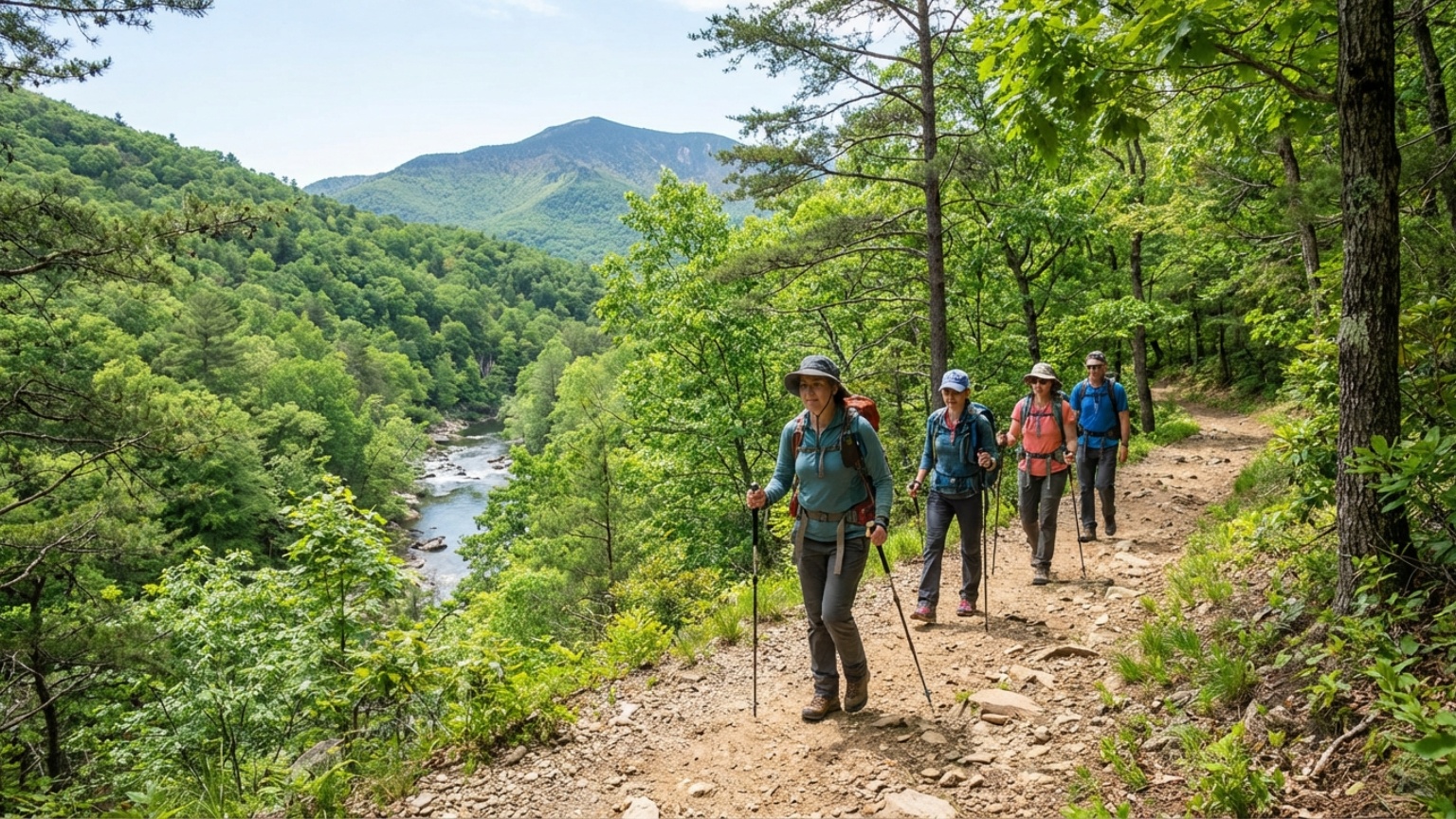
Hiking is an outdoor activity that involves walking long distances, usually on trails or paths in natural environments. It is a popular form of exercise and recreation, allowing people to explore diverse landscapes. This activity combines physical exertion with the enjoyment of nature, offering a unique way to experience the outdoors.
- Nature immersion: Hiking takes participants away from urban areas and into natural settings. For example, a hike might lead through a dense forest, alongside a river, or up a mountain path, providing a deep connection with the environment.
- Physical activity: This activity requires moderate to vigorous physical effort. Hikers often cover varying terrains, including inclines and uneven surfaces, which improves cardiovascular health and builds muscle strength.
- Varied terrain: Hiking trails can range from well-maintained paths to rugged, unmarked routes. The type of terrain often dictates the difficulty and the necessary equipment for the journey.
- Duration and intensity: Hikes vary greatly in length and challenge. Some are short, easy walks lasting an hour, while others are strenuous, multi-day treks requiring significant preparation and endurance.
- Equipment needs: Proper gear is essential for safety and comfort during a hike. This includes sturdy hiking boots, appropriate clothing layers, a backpack with water, snacks, and navigation tools.
Overall, hiking is a versatile activity that offers both physical benefits and the chance to appreciate natural beauty. It encourages exploration and provides a refreshing escape from daily routines.
2. Why are the benefits of hiking important for health?
- Cardiovascular Health: Hiking naturally increases a person’s heart rate, which strengthens the heart muscle over time. Regular walks on trails improve blood circulation and can lower the risk of heart disease and high blood pressure.
- Muscle Strength and Bone Density: Walking on varied outdoor terrain engages many muscle groups in the legs, core, and even the arms. This weight-bearing activity also helps to build stronger bones, especially in the hips and lower body, which is important for long-term health.
- Mental Well-being: Spending time in natural environments can significantly lower stress levels and help reduce symptoms of anxiety. For example, a person returning from a weekend hike often feels refreshed and better able to handle the week’s challenges, demonstrating the immediate mental benefits.
- Weight Management: Hiking is an effective way to burn calories and build lean muscle mass throughout the body. This combination helps individuals maintain a healthy weight, which is key for preventing many chronic conditions.
- Improved Balance and Coordination: Uneven paths, roots, and rocks present natural challenges that improve the body’s stability. Regularly navigating these varied conditions enhances a person’s balance and reduces their risk of falls, especially as they age.
3. How is the preparation for a hiking activity?
Preparing for a hiking activity is crucial for a safe and enjoyable experience. It involves several steps to ensure hikers are ready for the trail. Proper planning helps prevent common issues and allows individuals to focus on the natural surroundings.
- Gear and Clothing: Choosing the right gear and clothing is essential for comfort and safety. This includes sturdy hiking boots, weather-appropriate layers, and a backpack to carry supplies.
- Route Planning: Before starting, hikers must research the chosen trail thoroughly. This involves understanding its length, elevation changes, and current weather forecasts for the area.
- Physical Conditioning: Adequate physical fitness is important for tackling hiking trails successfully. Regular exercise, such as walking or cycling, helps build the necessary stamina and strength.
- Food and Water: Carrying enough water and energy-rich snacks is vital to stay hydrated and fueled. For example, a hiker on a long trail should bring at least two liters of water and foods like nuts or fruit.
- Safety Essentials: Hikers should always pack basic safety items, such as a first-aid kit, a map, and a compass or GPS device. It is also wise to inform someone about the hiking plan, including the route and expected return time.
Thorough preparation makes a significant difference in the overall hiking adventure. It allows participants to enjoy the natural beauty without unnecessary worries.
4. What to do to start hiking safely?
Starting a hiking journey requires careful preparation to ensure safety. New hikers should focus on several essential steps before exploring trails. These actions help prevent injuries and make the outdoor experience more enjoyable. Proper planning is fundamental for any successful adventure.
- Plan your route: Hikers should choose trails that match their current fitness level and research the distance, elevation changes, and weather forecast. For example, a new hiker might start with a flat 3-mile loop instead of a steep mountain climb.
- Wear proper gear: Select appropriate footwear, such as sturdy hiking boots, and layer clothing for changing conditions. This helps manage body temperature and protects feet from rough terrain, preventing blisters or falls.
- Pack essentials: Always carry enough water, energy-rich snacks, a basic first-aid kit, and a map or navigation device. These items are crucial for handling unexpected situations or minor emergencies on the trail.
- Inform someone: Tell a friend or family member about your hiking plans before you leave. Share your intended route and your expected return time so someone knows your whereabouts.
- Start slowly: Begin with shorter, easier hikes to build endurance and confidence gradually. Increase the difficulty and length of your trips only as your fitness level improves.
Following these safety measures allows hikers to enjoy nature responsibly. Prioritizing safety ensures a rewarding and trouble-free journey on the trails.