Parents often struggle to find meaningful summer activities that combine fun, safety, and skill development. The search for programs that truly engage children while fostering new abilities can be challenging. Many options exist, but understanding their true value requires careful consideration.
1. What are surf camps for kids and their core offerings?
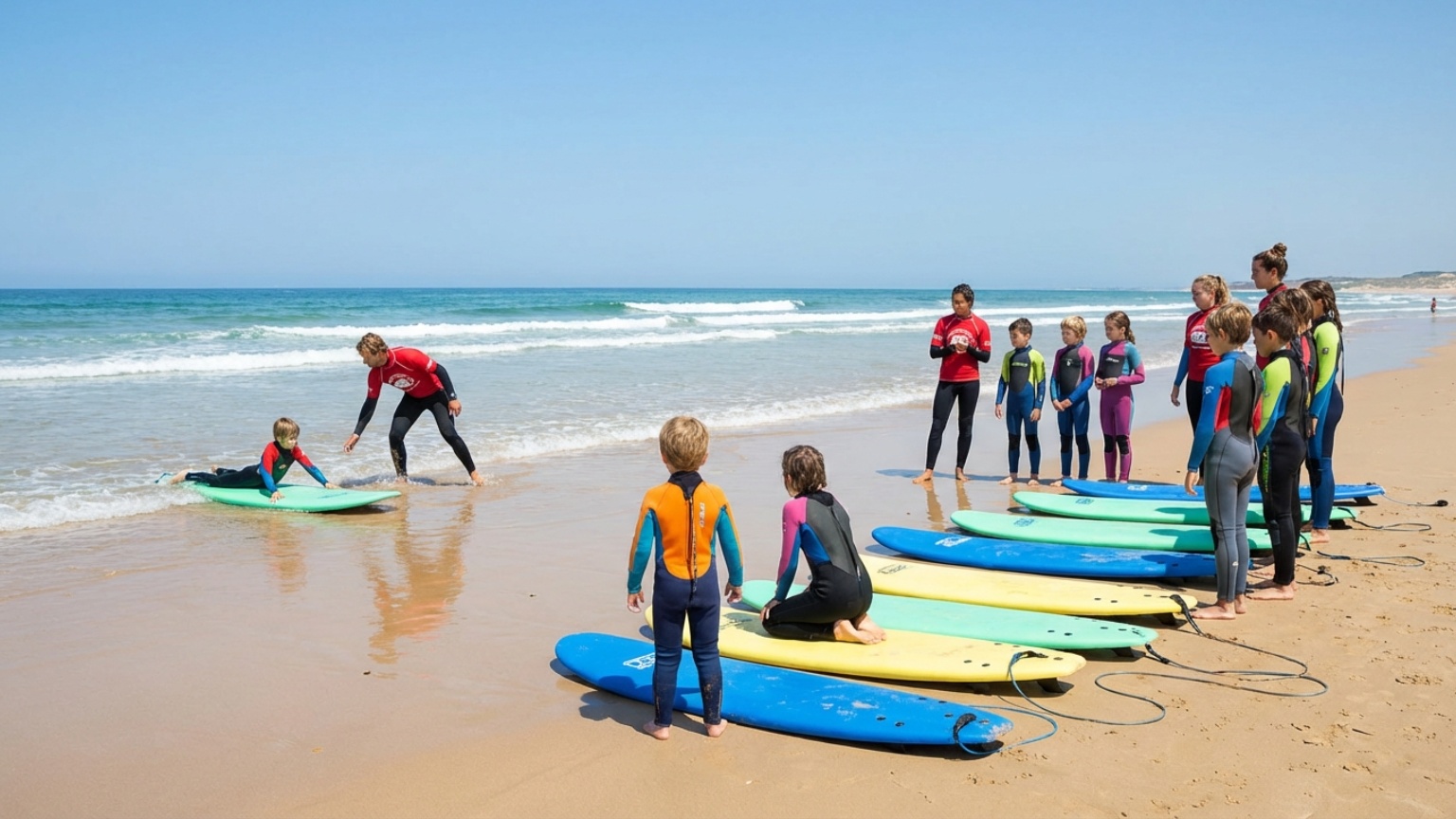
Surf camps for kids are specialized programs designed to teach young participants how to surf in a safe and supportive environment. These camps combine professional instruction with fun beach activities, helping children develop water skills and confidence.
They offer a unique summer experience where kids can learn about ocean safety and the sport of surfing. For example, a child attending a camp might start by learning to paddle on a foam board and catch small waves, building their skills daily.
- Professional Surf Instruction: Certified instructors teach children fundamental surfing techniques, including paddling, standing up, and wave selection. Lessons happen in small groups, ensuring each child receives personal attention and guidance.
- Ocean Safety Education: Camps prioritize teaching young surfers about ocean conditions, rip currents, and marine life. This knowledge helps participants understand and respect the ocean environment, making their experience safer.
- Equipment Provision: All necessary surfing gear, such as soft-top surfboards and wetsuits, is provided for the campers. This ensures children have the correct equipment for learning and staying comfortable in the water.
- Supervised Beach Activities: Beyond surfing, camps often include other engaging beach activities like games, sandcastle building, and environmental awareness exercises. These activities build teamwork and create a well-rounded camp experience.
- Supportive Environment: The camp atmosphere encourages friendship, personal growth, and a love for the ocean. Children gain confidence as they master new skills and make new friends.
These core offerings ensure that children not only learn to surf but also gain valuable life skills and a deeper appreciation for nature. Surf camps provide an active and enriching way for young learners to spend their summer.
2. Why are surf camps for kids beneficial for development?
Surf camps for kids offer more than just learning to ride waves. These programs provide a unique environment for young learners to grow in many ways. Children develop important physical, mental, and social skills. They also build a strong connection with nature.
- Physical Fitness: Surfing greatly improves a child’s physical health. It builds strength, balance, and endurance. For example, paddling out strengthens arm and core muscles, while standing on the board improves balance.
- Increased Confidence: Learning a new skill like surfing helps children feel more capable. Overcoming the challenge of catching a wave, even a small one, gives them a sense of achievement and pride.
- Social Skills: Children at surf camps learn to interact with peers and instructors. They share waves, encourage each other, and work together in a group setting. This helps them make new friends and practice teamwork.
- Environmental Awareness: These camps teach kids about ocean safety and marine life. They gain a deeper respect for the natural environment. Understanding tides and ocean currents, for instance, connects them to the sea.
- Resilience: Surfing requires persistence. Children learn to fall and get back up, adjusting to different wave conditions. This process helps them develop mental toughness and problem-solving abilities.
Therefore, surf camps provide a rich learning experience beyond the sport itself. They equip young people with valuable life skills that last long after summer ends.
3. How do surf camps for kids structure their learning programs?
Surf camps for kids carefully design their programs to teach surfing safely and effectively. They combine practical water sessions with essential theoretical knowledge about the ocean.
This approach helps young learners build skills progressively, ensuring a fun and educational experience. For example, a typical day often includes warm-up exercises, time in the water, and lessons on the beach.
- Age-appropriate groups: Camps divide children into small groups based on their age and skill level. This allows instructors to tailor teaching methods and activities for each group.
- Certified instructors: Experienced and certified instructors lead all lessons, ensuring high safety standards. They guide children through waves and provide individual feedback.
- Progressive skill development: Programs start with fundamental skills like paddling and standing on a board in shallow water. Children then advance to catching small waves and improving their balance as they gain confidence.
- Ocean safety education: Kids learn crucial safety information about currents, waves, and marine life. Understanding these elements helps them make smart decisions while in the water.
- Beach activities and theory: Dry-land exercises, such as practicing pop-ups on the sand, complement water time. Instructors also teach about surfboard types and wave formation.
This structured learning environment supports children’s skill development and personal growth. Young surfers gain confidence, discipline, and a deeper respect for the ocean through these programs.
4. What to consider when choosing surf camps for kids?
Choosing a surf camp for children requires careful thought. Parents should look for programs that prioritize safety, effective instruction, and a fun learning environment. Considering several key factors helps ensure a positive experience for young surfers. This careful selection process supports both skill development and enjoyment.
- Safety measures and supervision: A good camp maintains a high student-to-instructor ratio, often around 4:1 or 5:1. This ensures each child receives close attention and immediate help when needed, such as when learning to paddle out.
- Instructor qualifications and experience: Look for instructors who hold certifications in first aid, CPR, and ocean lifeguarding. Experienced teachers can better adapt lessons to different skill levels and manage various ocean conditions.
- Program structure and curriculum: The camp should offer age-appropriate lessons that build skills progressively. For example, a well-planned curriculum might start with beach safety and pop-up drills, then move to catching small waves by the end of the week.
- Group size and dynamics: Smaller groups allow for more personalized coaching and a stronger sense of community among the children. This can help shy kids feel more comfortable participating and making new friends.
- Camp reputation and reviews: Research testimonials and feedback from other parents to gauge the camp’s overall quality and reliability. Positive reviews often highlight a camp’s commitment to safety and engaging activities.
Making an informed decision about a surf camp helps children gain confidence and learn valuable skills. The right choice ensures a memorable and safe summer adventure by the ocean.