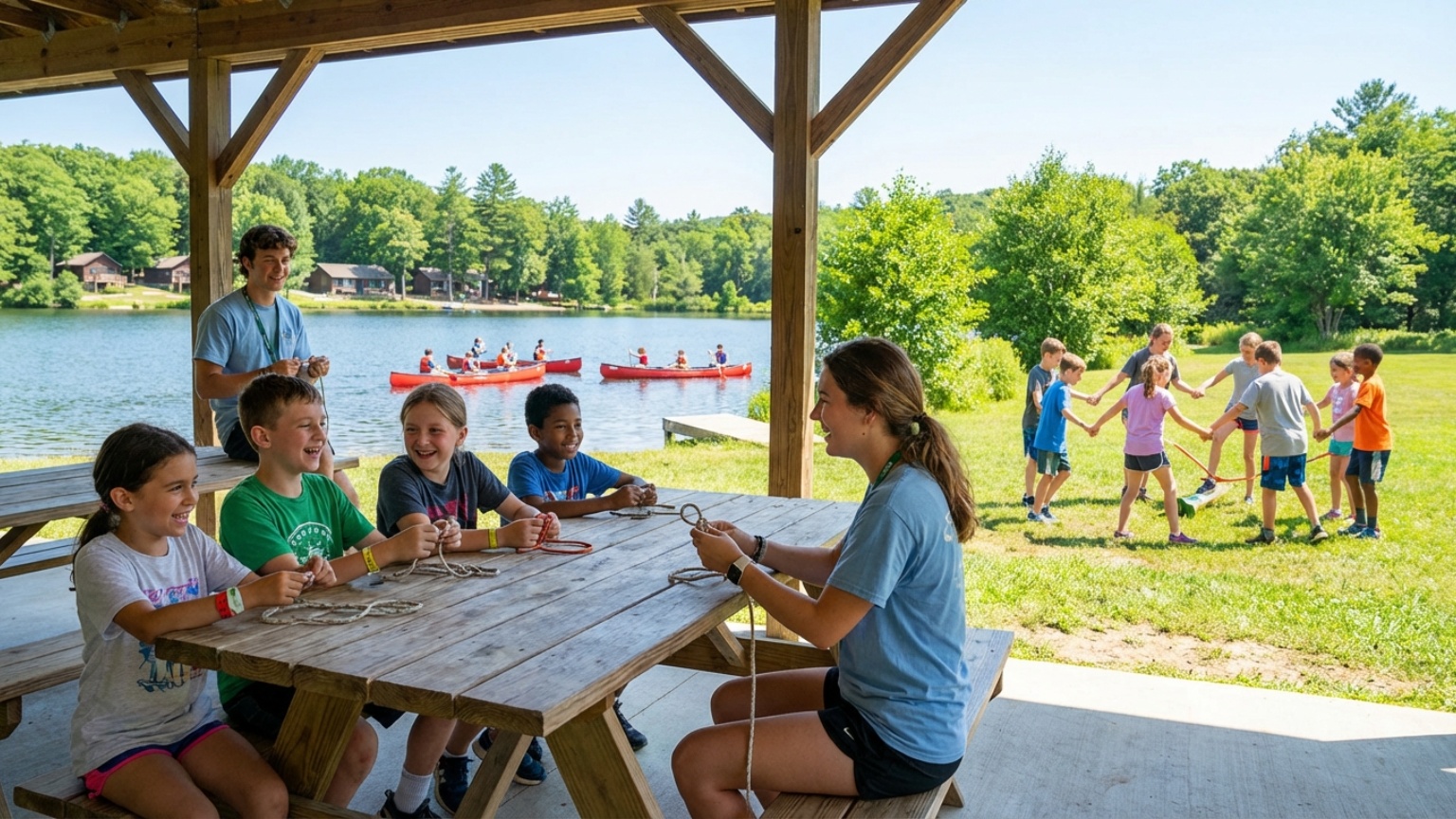
Many parents face the challenge of finding enriching activities for their children during long summer breaks. Concerns often arise about excessive screen time or a lack of structured engagement. A summer camp offers a unique solution, providing a blend of learning, adventure, and social development away from daily routines.
1. What is the definition of a summer camp experience?
A summer camp experience provides children with a structured program of activities during school breaks. These programs often take place in a new environment, away from their usual routines. The goal is to offer opportunities for learning, personal growth, and social development.
- Skill development: Camps teach children new skills or improve existing ones. For example, a child at a surf camp learns how to paddle, catch waves, and stand up on a board.
- Social interaction: Children meet new peers and build friendships outside their regular school circles. They learn teamwork and cooperation during group activities and games.
- Increased independence: Being away from home or in a new setting encourages children to make their own choices. They learn to manage their belongings and follow camp rules, which builds self-reliance.
- Exploration and discovery: Camps expose children to different activities and natural settings. This can include outdoor adventures, arts and crafts, or exploring new sports.
Overall, a summer camp experience helps children develop new abilities and grow as individuals. It offers a unique setting for fun and learning away from home.
2. Why is participation in a summer camp beneficial for child development?
Summer camps offer children much more than just a fun break from school. These experiences provide unique opportunities for growth in social, emotional, and physical areas.
Children learn new skills and gain valuable life lessons in a supportive environment. For example, a child might learn to make their own bed and manage their belongings, fostering a sense of personal responsibility.
- Develop Social Skills: Children interact with a diverse group of peers and adults. They learn to share, cooperate, and resolve minor conflicts, which helps them build stronger relationships.
- Increase Independence: Spending time away from home encourages children to make their own decisions. This experience helps them become more self-reliant and confident in new situations.
- Learn New Skills: Camps introduce children to a variety of activities, such as swimming, hiking, or arts and crafts. Participants can discover new hobbies and develop talents they might not explore otherwise.
- Build Confidence: Successfully trying new things, like learning to paddle a kayak or presenting a skit, boosts a child’s self-esteem. Overcoming small challenges at camp helps them feel more capable.
- Promote Physical Activity: Most summer camps include many outdoor activities. This encourages children to stay active, enjoy nature, and improve their physical fitness.
Overall, summer camp helps children grow into well-rounded individuals. These experiences provide lasting benefits that support their development long after camp ends.
3. How does a typical summer camp program operate?
A summer camp program provides children with a structured environment focused on specific activities and personal growth. These programs typically run for several days or weeks, offering a clear daily schedule. The goal is to combine fun, learning, and social development in a safe setting development safe setting.
- Structured Daily Schedule: A typical day at camp follows a clear timetable. This includes specific times for meals, group activities, and breaks.
- Expert Supervision: Trained staff members always supervise children. They ensure safety during all activities and provide guidance.
- Diverse Activities: Camps offer a range of engaging activities. For example, a surf camp includes daily surf lessons, beach games, and educational talks about ocean safety.
- Social Engagement: Children participate in activities with peers of similar ages. This helps them make new friends and learn teamwork.
- Skill Building: Programs focus on teaching new skills or improving existing ones. Participants gain confidence as they master new challenges.
This structured approach helps children adapt to routines and thrive in a group setting. It ensures a productive and enjoyable experience for all participants.
4. What is the preparation for a child’s first summer camp?
Preparing a child for their first summer camp experience helps them feel ready and excited. This preparation also reduces any worries they might have about being away from home.
A well-prepared child often adapts more easily and enjoys the new environment much more. This simple planning makes the entire experience positive for both the child and their family.
- Discuss expectations: Parents should talk with their child about what camp will be like. They can describe typical activities, potential new friends, and the daily schedule. For example, if a child is nervous about sleeping in a new place, discussing the fun campfires or games can shift their focus.
- Pack essentials together: Involve the child in packing necessary items such as comfortable clothes, a hat, sunscreen, and a reusable water bottle. This teaches them responsibility and ensures they have familiar items with them. Making a checklist can also be helpful.
- Encourage self-care skills: Help the child practice simple tasks like choosing their own outfit, organizing their belongings, or taking care of personal hygiene. These small steps build independence and confidence for when they are at camp. This preparation reduces reliance on camp staff for basic needs.
- Review camp rules: Go over any specific rules or guidelines provided by the camp organizers. Understanding these expectations helps the child know how to behave and what is allowed. This also helps ensure a safe and respectful environment for everyone.
Good preparation builds a child’s confidence and helps them feel secure before camp starts. A child who feels ready is more likely to embrace new challenges and make lasting memories during their summer camp adventure.