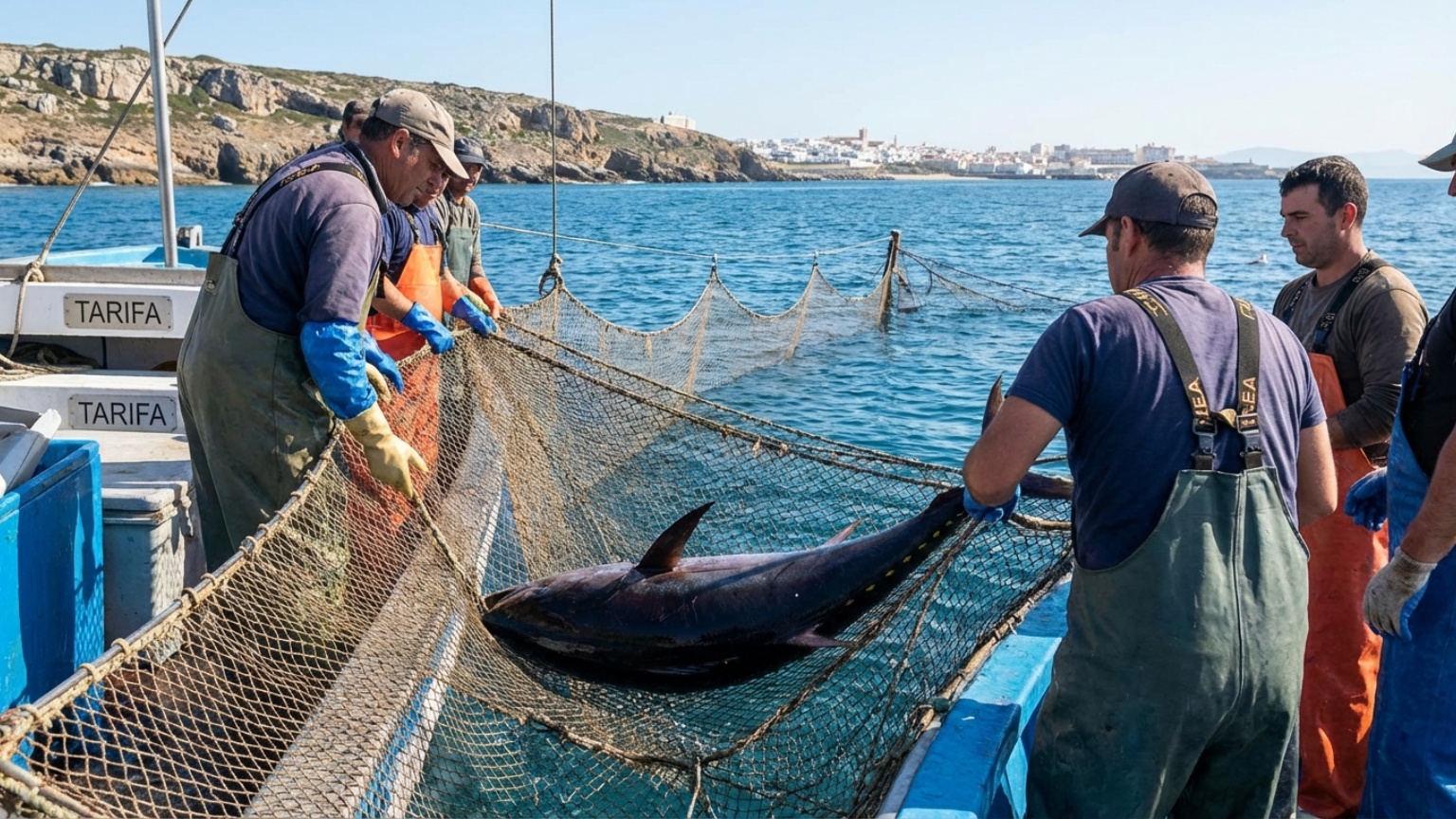
Many people hear about the red tuna from Tarifa but do not fully understand its significance. They might wonder what makes this specific fish a prized delicacy. This article explores the unique characteristics and deep cultural importance of this renowned seafood.
1. What is the red tuna from Tarifa and what is its origin?
The red tuna from Tarifa refers to the highly prized Atlantic bluefin tuna caught near the town of Tarifa, Spain. This specific tuna is renowned for its exceptional flavor and texture, making it a culinary delicacy making culinary delicacy.
Its unique quality comes from its migratory path through the Strait of Gibraltar, a natural bottleneck between the Atlantic Ocean and the Mediterranean Sea.
- Almadraba Fishing: This ancient and sustainable method is central to the origin of Tarifa’s red tuna. Fishermen use a labyrinth of nets set close to the coast during the tuna’s migration. This traditional technique has been used for thousands of years, ensuring selective and respectful fishing practices.
- Strategic Location: Tarifa’s position at the narrowest point of the Strait of Gibraltar is crucial. The tuna swim through these waters to spawn, building up fat reserves that contribute to their rich taste. For example, during their migration in spring, the tuna are at their peak condition.
- Bluefin Tuna Species: The red tuna caught here is specifically the Atlantic bluefin tuna (Thunnus thynnus). This species is known for its large size, deep red flesh, and high fat content. These characteristics are highly valued by chefs and food enthusiasts worldwide.
- Seasonal Catch: The red tuna is primarily caught during specific periods, mainly in spring and early summer. This seasonality ensures that only mature tuna are harvested when they are in their best condition. This limited availability adds to its exclusivity.
- Culinary Heritage: The local cuisine of Tarifa and the surrounding region has a deep connection to this tuna. Many traditional dishes, such as «mojama» (cured tuna) or fresh grilled slices, highlight its distinct flavor. Restaurants often feature special menus when the fresh tuna is in season.
The red tuna from Tarifa is more than just a fish; it represents a rich history and a unique natural phenomenon. Its origin is tied to both ancient fishing traditions and a specific ecological advantage.
2. Why is the red tuna from Tarifa so valued in global gastronomy?
The red tuna from Tarifa holds a special place in global gastronomy due to its unique characteristics and traditional origins. This highly prized fish is known for its exceptional flavor and texture, which chefs around the world seek. Its journey through the Strait of Gibraltar contributes significantly to its quality, making it a culinary treasure making culinary treasure.
- Unique Migration: The tuna’s annual migration through the Strait of Gibraltar is crucial. During this journey, the fish builds up significant fat reserves, which gives its flesh a rich, marbled quality.
- Almadraba Fishing Method: The ancient Almadraba fishing technique is sustainable and highly selective. This method ensures that only mature tuna are caught, minimizing stress on the fish and preserving the local marine ecosystem.
- Exceptional Flavor and Texture: The high fat content gives Tarifa red tuna a buttery, melt-in-your-mouth texture and a deep, complex flavor profile. This makes it ideal for various preparations, from delicate sushi to robust grilled steaks.
- Culinary Versatility: Chefs use Tarifa red tuna in many dishes, from traditional Mediterranean recipes to high-end Japanese sushi and sashimi. Its quality shines through in both raw and cooked forms, highlighting its adaptability.
- Limited Availability: The seasonal nature of the Almadraba catch and strict fishing quotas make this tuna a rare and sought-after delicacy. This exclusivity increases its value and appeal in the global market.
These combined factors make the red tuna from Tarifa an ingredient of choice for top chefs. Its rich history and unparalleled quality ensure its continued high demand worldwide.
3. How is the red tuna from Tarifa caught and its fishing managed?
The red tuna from Tarifa is caught using the traditional Almadraba method. This ancient fishing technique has been practiced in the Strait of Gibraltar for thousands of years. It represents a sustainable approach to fishing, focusing on the natural migration patterns of the tuna. Careful management ensures the long-term health of the tuna population.
- The Almadraba Method: This technique uses a maze of fixed nets placed close to the coast during the tuna migration season. Fishermen guide the tuna into these nets without pursuing them.
- Seasonal Catch: Red tuna pass through the Strait of Gibraltar in spring, heading to the Mediterranean to spawn. The Almadraba operates only during this specific period, typically from April to June.
- Selective Harvesting: The Almadraba allows for the selection of mature tuna, letting younger fish pass through. For example, only tuna of a certain size are kept, while smaller ones are released.
- Strict Quotas and Regulations: Authorities set strict catch quotas for red tuna to prevent overfishing. These regulations ensure that the number of tuna caught each year is sustainable.
- Comprehensive Traceability: Every red tuna caught through the Almadraba is tagged and tracked. This process provides full traceability from the moment of catch to its arrival at the market.
This fishing method combines deep tradition with modern conservation efforts. It ensures the red tuna from Tarifa remains a prized and sustainably sourced product.
4. What to do to identify and enjoy authentic red tuna from Tarifa?
Identifying authentic red tuna from Tarifa requires attention to several key details. This careful approach ensures diners experience its renowned quality and unique flavor.
Consumers can look for specific indicators of origin and freshness to make an informed choice. For example, a reputable restaurant should clearly state the tuna’s provenance on its menu or have staff who can confirm its origin.
- Origin and Season: Authentic red tuna from Tarifa comes from the traditional Almadraba fishing method. This sustainable practice takes place during specific spring and early summer months, ensuring peak freshness.
- Appearance and Texture: High-quality red tuna has a deep, vibrant red color, similar to fine beef. Its flesh should look firm and moist, not dull or dry, indicating proper handling and freshness.
- Preparation Style: The best way to enjoy this tuna often involves minimal cooking. Many prepare it raw as sashimi or lightly seared to preserve its delicate flavor and unique texture.
- Certification and Labeling: Some authentic Tarifa tuna may carry specific certifications or labels. These marks confirm its origin and compliance with local quality standards.
- Reputable Establishments: Choose restaurants known for their commitment to fresh, local ingredients and ethical sourcing. These places often highlight their specific sourcing of red tuna from Tarifa on their menus.
Making an informed choice allows diners to fully appreciate the unique characteristics of this special seafood. Understanding these points helps ensure a truly memorable culinary experience.