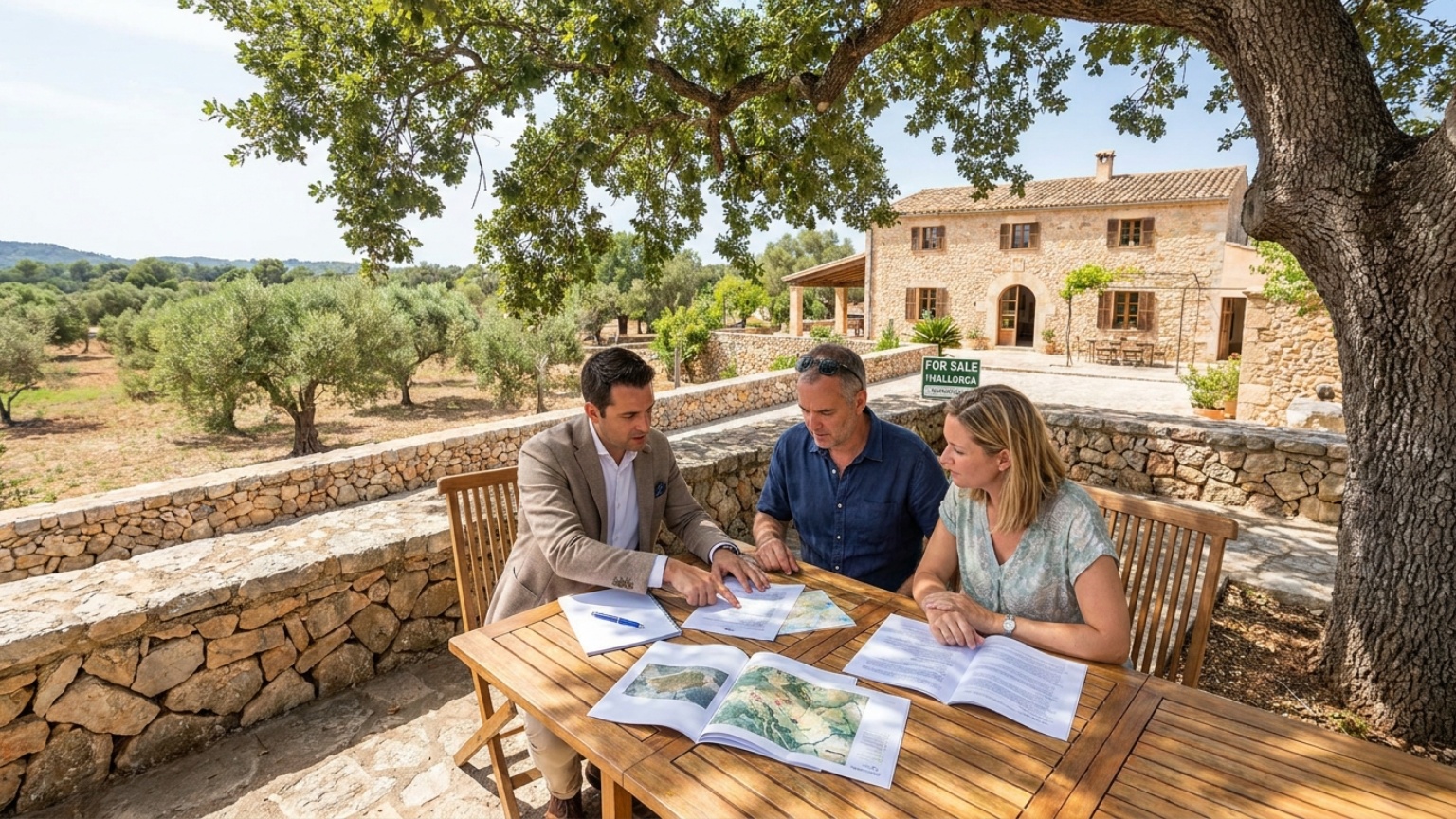
The acquisition of property in a foreign location often presents unique challenges. Potential buyers frequently encounter unfamiliar legal frameworks, local regulations, and specific market dynamics. Understanding these elements is crucial for a successful purchase of a rustic property in Mallorca.
1. What defines a rustic property for purchase in Mallorca?
A rustic property in Mallorca refers to land designated for rural or agricultural use. These properties often include traditional buildings that respect the island’s heritage. Their primary definition involves their location outside urban zones and their connection to the natural landscape. This classification carries specific legal implications for buyers.
- Location and Land Use: A rustic property is typically situated in a rural area, often encompassing a large plot of land. This land may be used for farming, forestry, or simply as a natural private estate.
- Traditional Architecture: The buildings on these properties often feature traditional Mallorcan design. Stone walls, wooden beams, and specific architectural styles are common elements.
- Legal Classification: Spanish law classifies these properties as «finca rústica». This designation dictates the permitted uses and potential building restrictions on the land.
- Permitted Development: Construction and renovation on rustic land are subject to strict regulations. For example, new builds are often limited to agricultural purposes or specific sizes for residential use, preventing excessive urbanization.
- Infrastructure and Services: Rustic properties may have more basic infrastructure compared to urban homes. Access to public utilities like mains water, and electricity can sometimes require specific installations or alternative solutions.
Understanding these definitions is crucial for anyone considering a purchase in Mallorca’s rural areas. The unique charm of a rustic property comes with its own set of characteristics and legal considerations.
2. Why does the purchase of a rustic property in Mallorca attract investors?
The acquisition of a rustic property in Mallorca holds significant appeal for many investors. These unique homes offer a blend of natural beauty, a desirable lifestyle, and strong potential for value appreciation. Such properties represent more than just a place to live; they are a strategic investment opportunity in a sought-after location opportunity sought-after location.
- Property Value Appreciation: Mallorca’s real estate market often shows consistent growth, especially for distinctive rustic homes. A limited supply of these properties, combined with high demand, contributes to a steady increase in their market value over time. For example, a well-maintained finca with traditional features often sees its value rise because of its unique appeal.
- Rental Income Potential: Many investors buy rustic properties to generate rental income, particularly during the island’s busy tourist seasons. These homes can provide attractive financial returns through both short-term holiday rentals and longer-term leases. A property with a pool and scenic views can command premium rental rates.
- Lifestyle and Personal Retreat: Beyond financial returns, these properties offer a tranquil escape from urban life. Owners can enjoy the island’s natural beauty, privacy, and peaceful environment, using the property as a personal retreat or a luxurious holiday home. This dual purpose adds to the property’s overall value proposition.
- Cultural and Historical Significance: Rustic properties frequently feature unique architectural elements and a rich history. This distinct character makes them highly desirable and enhances their long-term appeal to buyers seeking authenticity and charm. Preserving a traditional Mallorcan farmhouse contributes to the island’s heritage.
- Agricultural Opportunities: Some rustic properties include land suitable for farming or vineyards. This aspect allows for additional income generation or the pursuit of a specific lifestyle, such as producing local olive oil, almonds, or wine. This potential for self-sufficiency or agricultural enterprise adds another layer of investment interest.
These combined factors make rustic properties in Mallorca a compelling choice for a diverse range of investors. The blend of financial growth, lifestyle benefits, and unique characteristics ensures their enduring attraction.
3. How is the process of buying a rustic property in Mallorca?
The purchase of a rustic property in Mallorca involves several distinct stages. This process requires careful attention to legal details and local regulations. A structured approach helps ensure a smooth and successful acquisition for buyers. Understanding each step is essential for anyone considering a rustic finca considering rustic finca.
- Initial search and selection: The buyer starts by identifying suitable rustic properties on the island. This includes considering location, land size, and the condition of existing buildings. For example, a buyer might look specifically for a traditional stone finca with a large plot for agricultural use.
- Legal due diligence: Before making an offer, a thorough legal check of the property is necessary. This step verifies the property’s registration, permits, and any potential encumbrances. A common check involves confirming all building works have proper licenses from local authorities.
- Offer and reservation: Once a property is chosen, the buyer submits an offer to the seller. If accepted, a reservation agreement is signed, and a deposit is paid. This secures the property and removes it from the market for a specified period.
- Private purchase contract: After the reservation, the parties sign a private purchase contract. This document outlines the terms of the sale, including the final price, payment schedule, and completion date. It often includes conditions for financing or specific repairs.
- Completion at the notary: The final stage occurs at a public notary’s office. Here, the public deed of sale is signed, the remaining payment is made, and ownership is transferred. The notary ensures all legal requirements are met before the new owner receives the keys.
This systematic process helps manage the complexities of buying property in Mallorca. Expert guidance can also simplify these steps, ensuring compliance and peace of mind.
4. What steps to follow for the purchase of a rustic property in Mallorca?
The purchase of a rustic property in Mallorca involves several important legal and administrative steps. This process requires careful attention to detail and a clear understanding of local regulations. Following these steps helps ensure a smooth and secure transaction for the buyer.
- Legal Due Diligence: This initial phase involves a thorough check of the property’s legal status. Specialists examine the land registry, verify existing permits, and confirm zoning compliance. For example, they ensure the property has no outstanding debts or planning violations.
- Property Valuation and Offer: The buyer must determine a fair market price for the rustic property. An offer is then made based on this valuation. This often involves comparing the property to recent sales of similar fincas in the area.
- Private Purchase Contract: After an offer is accepted, the parties sign a preliminary contract. This document outlines all terms of the sale and typically requires a deposit from the buyer. It legally binds both the buyer and seller before the final deed is signed.
- Financing and Taxes: Buyers often need to secure a mortgage to fund the purchase. It is also important to understand all associated taxes and fees, such as property transfer tax and notary costs. These financial aspects must be arranged before the final signing.
- Public Deed and Registration: The final step involves signing the public deed before a notary. This official document formally transfers ownership of the property. Afterward, the deed is registered with the Land Registry, making the change of ownership public.
Navigating these stages requires expert guidance to avoid potential issues. Proper execution of each step leads to a successful and legally sound acquisition of a rustic property in Mallorca.