Physical Address
304 North Cardinal St.
Dorchester Center, MA 02124
Physical Address
304 North Cardinal St.
Dorchester Center, MA 02124

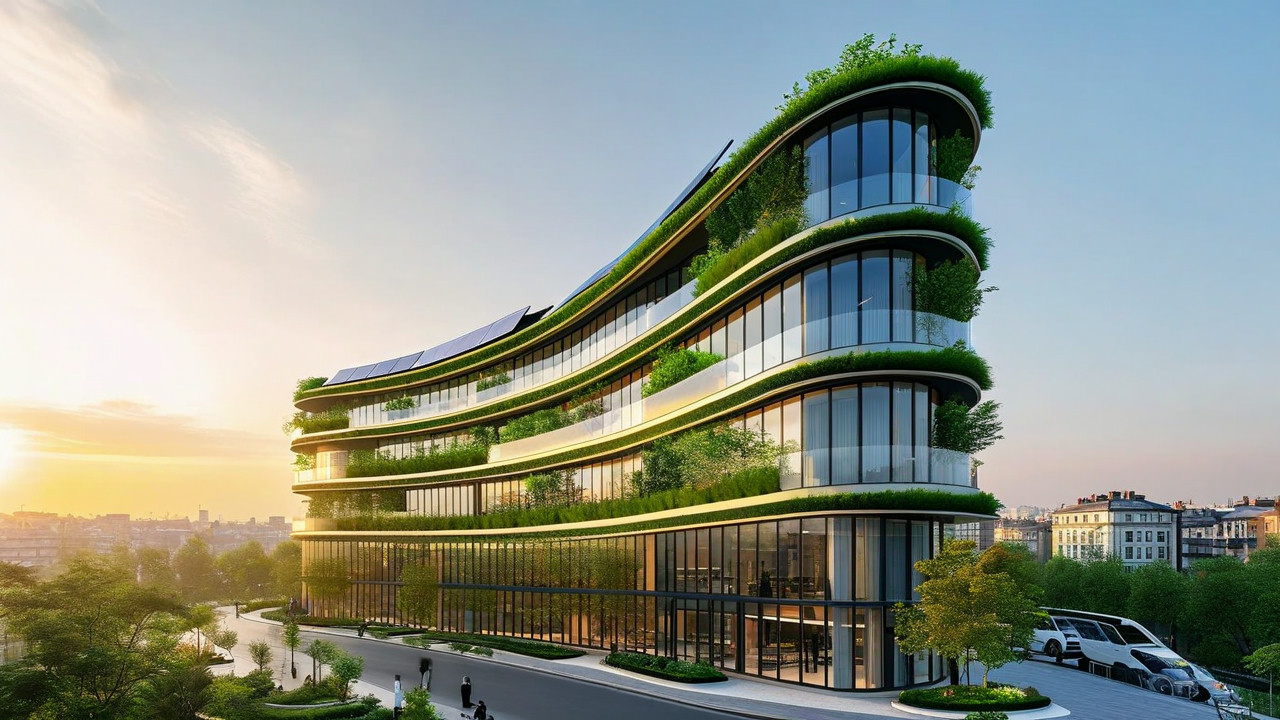
In the heart of europe’s architectural landscape, a remarkable transformation is taking place. sustainable architecture has evolved from a niche concept to a fundamental approach that is redefining how we conceptualise, design, and interact with our built environments.
As climate change becomes an increasingly pressing global concern, european architects and urban planners are leading the charge in creating innovative, environmentally responsible structures that not only minimise ecological impact but also enhance quality of life.
From the fjords of scandinavia to the bustling cities of central europe, a new architectural paradigm is emerging—one that seamlessly blends cutting-edge technology, environmental consciousness, and human-centric design.
The passive house (passivhaus) concept, originally developed in germany, has become a cornerstone of sustainable architecture across europe. this revolutionary approach focuses on creating ultra-low energy buildings that maintain comfortable interior conditions with minimal active heating or cooling systems.
Key characteristics of passive house design include:
Countries like germany, austria, and the netherlands have been at the forefront of implementing passive house standards, with municipalities increasingly mandating these principles in new construction projects.
The passive house approach offers substantial advantages:
European architects are increasingly adopting circular economy principles, transforming how building materials are sourced, used, and recycled. this approach moves beyond traditional sustainability models, focusing on creating closed-loop systems that minimise waste and maximize resource efficiency.
innovative material strategies include:
The netherlands has emerged as a global leader in circular construction. cities like amsterdam have implemented ambitious circular economy roadmaps, encouraging architects and developers to prioritise regenerative design principles.
Biophilic design represents a holistic approach to sustainable architecture that emphasises human connection with natural environments. european architects are increasingly incorporating living systems, natural materials, and green spaces directly into building designs.
Key elements of biophilic architecture:
Research demonstrates that biophilic design offers profound benefits:
Modern European sustainable architecture is no longer just about reducing energy consumption—it’s about transforming buildings into active energy producers. innovative design strategies are integrating renewable energy technologies directly into architectural structures.
Emerging technologies include:
Scandinavian countries, particularly Denmark and Sweden, are pioneering approaches that transform buildings from energy consumers to energy contributors. Copenhagen and Stockholm showcase numerous examples of buildings that generate more energy than they consume.
Emerging digital technologies are revolutionising sustainable architecture through intelligent systems that optimize building performance in real-time.
Key technological innovations:
While sustainable architecture has made significant strides, challenges remain. high initial investment costs, complex regulatory environments, and the need for skilled professionals continue to be potential barriers to widespread adoption.
However, the trajectory is clear. European policy frameworks, increasing public awareness, and technological advancements are creating a conducive ecosystem for sustainable architectural innovation.
Europe stands at the forefront of a global architectural transformation. by embracing principles of sustainability, circular economy, and technological innovation, european architects are not just designing buildings—they are crafting holistic environments that respect planetary boundaries while enhancing human experience.
The sustainable architecture trends explored in this article represent more than technological solutions; they embody a profound reimagining of our relationship with the built environment. As climate challenges intensify, these innovative approaches offer hope, demonstrating how thoughtful design can be a powerful catalyst for positive environmental and social change.