Physical Address
304 North Cardinal St.
Dorchester Center, MA 02124
Physical Address
304 North Cardinal St.
Dorchester Center, MA 02124

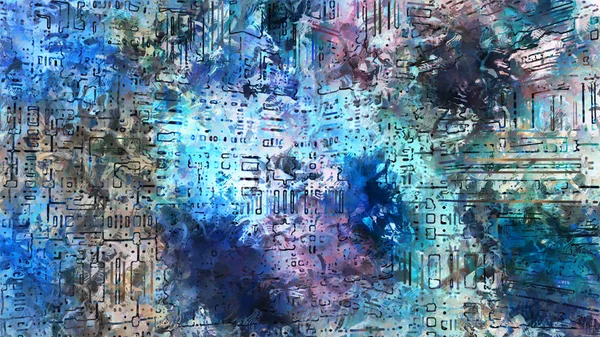
AI-generated art challenges traditional definitions of authorship and creativity. When algorithms generate content based on datasets, the line between original creation and replication becomes blurred. Artists, technologists, and curators are debating how to define ownership in collaborative processes involving machines.
Copyright laws lag behind. While a human may initiate the process, the final output is often heavily shaped by the AI’s training data. This raises issues of credit, licensing, and the ethics of reusing images without explicit consent from original creators.
Algorithms reflect the data they are trained on, which may include cultural, gender, or racial biases. These biases can unconsciously influence the aesthetics and themes of generated artwork. As a result, AI-created pieces may reinforce stereotypes or exclude underrepresented identities.
Artists working with AI must critically assess their datasets. Curating inclusive, diverse sources is essential to ensure that the technology supports a broad, ethical vision of creativity.
Absolutely. In a digital landscape where AI can remix styles, imitate techniques, and reinterpret data, the idea of originality is shifting. Rather than relying on singular genius, today’s art often emerges from collaborative systems, whether human or algorithmic.
This redefinition doesn’t devalue art, it expands it. Embracing collective intelligence, machine-human synergy, and process-driven creation can lead to rich, multi-layered outcomes.
Major museums and galleries are beginning to showcase AI-generated works. However, curators face new responsibilities. They must provide context, disclose technological processes, and consider the ethical implications of display.
Yes, when guided by ethical intention. Artists should take proactive steps to document their process, verify sources, and disclose how algorithms influenced the final product. Ethical art practices include not only respecting data ownership, but also understanding the implications of machine-made decisions.
Governments, academic bodies, and artistic communities are calling for clear guidelines. Future policy may address ownership, consent, attribution, and algorithmic transparency. These standards will help protect both creators and audiences in an AI-enhanced art world.
Until then, ethical leadership will depend on the artists themselves, who must balance innovation with responsibility and build a cultural environment where AI can enhance, not exploit, creative expression.
The conversation around AI in art is just beginning. Ethics and aesthetics are no longer separate concerns, they are intertwined forces shaping the future of creativity. In this evolving space, intentional choices define artistic integrity.