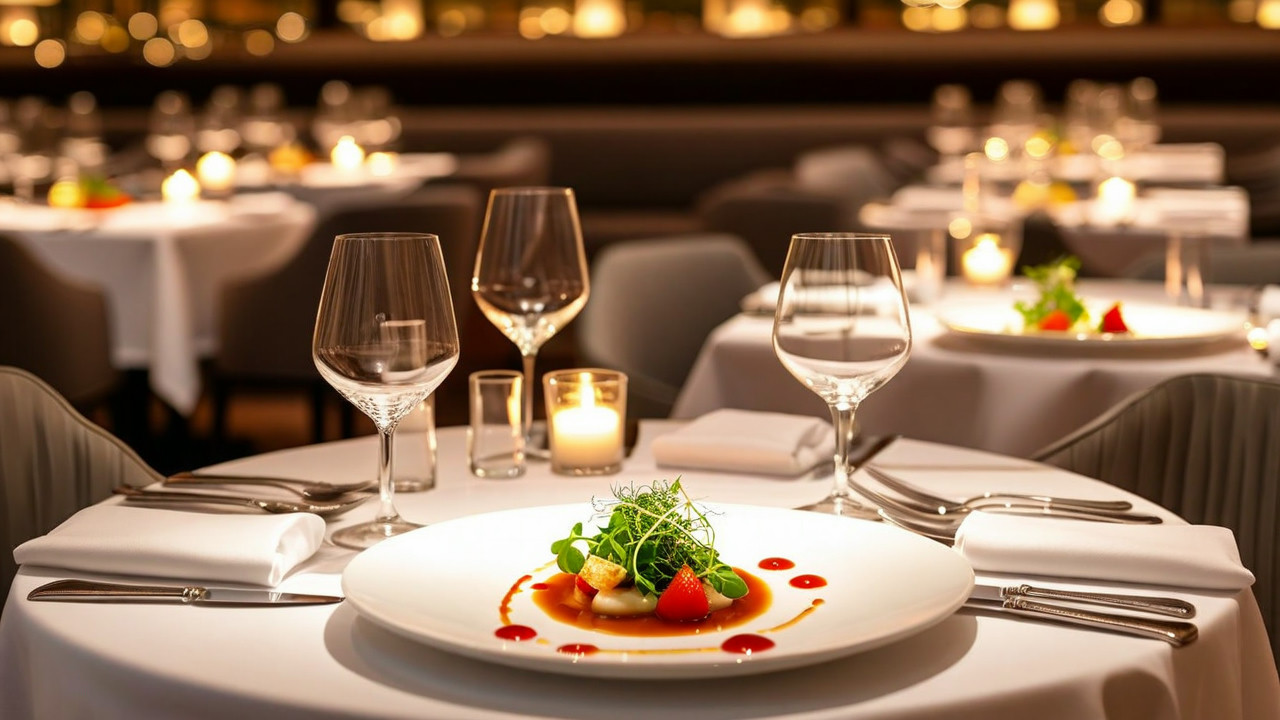
The significance of the Michelin Guide in European gastronomy
The Michelin Guide has long been the gold standard for restaurant excellence, highlighting the finest culinary experiences across Europe. Established in the early 20th century, this prestigious guide continues to shape the global food scene, awarding coveted Michelin stars to restaurants that showcase exceptional quality, innovation, and mastery of cuisine.
Understanding Michelin star ratings
Michelin awards restaurants with up to three stars based on specific criteria:
- One star: A very good restaurant in its category.
- Two stars: Excellent cooking, worth a detour.
- Three stars: Exceptional cuisine, worth a special journey.
The top Michelin-starred restaurants in Europe
Europe is home to some of the most acclaimed Michelin-starred restaurants, offering a diverse range of cuisines and dining experiences. Here are some of the most outstanding Michelin-starred establishments across the continent:
1. France – The birthplace of Michelin gastronomy
- Guy Savoy (Paris, 3 stars) – A temple of modern French haute cuisine, offering refined flavors with impeccable service.
- Mirazur (Menton, 3 stars) – Located on the French Riviera, this restaurant by chef Mauro Colagreco blends Mediterranean ingredients with artistic presentation.
- Arpège (Paris, 3 stars) – A pioneer of vegetable-forward fine dining, led by Alain Passard.
2. Spain – A hub of avant-garde culinary excellence
- El Celler de Can Roca (Girona, 3 stars) – A family-run restaurant known for its innovative take on Catalan cuisine.
- Martín Berasategui (Lasarte-Oria, 3 stars) – One of Spain’s most decorated chefs, offering a perfect balance of tradition and creativity.
- DiverXO (Madrid, 3 stars) – A daring, theatrical dining experience by chef Dabiz Muñoz, fusing global flavors with Spanish cuisine.
3. Italy – The land of timeless flavors and fine dining
- Osteria Francescana (Modena, 3 stars) – Chef Massimo Bottura reinterprets Italian classics with an artistic and emotional approach.
- La Pergola (Rome, 3 stars) – The only three-starred restaurant in Rome, offering a luxurious dining experience with breathtaking city views.
- Piazza Duomo (Alba, 3 stars) – A celebration of Piedmontese cuisine with a strong emphasis on local ingredients.
4. United Kingdom – A fusion of tradition and innovation
- Restaurant Gordon Ramsay (London, 3 stars) – A flagship of refined French cuisine led by one of the UK’s most renowned chefs.
- Alain Ducasse at The Dorchester (London, 3 stars) – A blend of contemporary French cuisine and British influences.
- Core by Clare Smyth (London, 3 stars) – A modern approach to fine dining, emphasizing seasonal British produce.
5. Germany – A rising force in haute cuisine
- Vendôme (Bergisch Gladbach, 3 stars) – A leader in contemporary German gastronomy, offering highly conceptual dishes.
- Aqua (Wolfsburg, 3 stars) – Known for its elegant, creative cuisine that combines classic and modern techniques.
- Schwarzwaldstube (Baiersbronn, 3 stars) – A traditional yet forward-thinking restaurant set in the heart of the Black Forest.
6. Scandinavia – A haven for New Nordic cuisine
- Noma (Copenhagen, 3 stars) – An iconic restaurant redefining modern cuisine with foraged ingredients and fermentation techniques.
- Geranium (Copenhagen, 3 stars) – A fine dining destination offering an elegant, plant-based approach to Nordic flavors.
- Frantzén (Stockholm, 3 stars) – A unique blend of Scandinavian and Japanese influences, showcasing exceptional precision and artistry.
Emerging Michelin-starred destinations in Europe
While classic gastronomic capitals like Paris, London, and Madrid continue to dominate, new Michelin-starred hotspots are emerging across Europe:
- Portugal: Lisbon and Porto are gaining recognition for their innovative seafood and fusion cuisine.
- Greece: Athens is home to a growing number of Michelin-starred restaurants blending Mediterranean flavors with modern techniques.
- Eastern Europe: Cities like Warsaw and Budapest are making waves in the fine dining scene with creative interpretations of traditional cuisine.
The influence of Michelin stars on the restaurant industry
Being awarded a Michelin star significantly impacts restaurants by:
- Boosting reputation and prestige: A Michelin star instantly elevates a restaurant’s status, attracting international diners.
- Driving economic growth: Michelin recognition increases tourism and revenue for local businesses.
- Encouraging culinary innovation: Chefs strive to push creative boundaries to achieve or maintain their stars.
Challenges of maintaining Michelin-star status
While Michelin stars bring prestige, they also come with high expectations and pressures:
- Consistency and excellence: Restaurants must maintain exceptional quality in every service.
- Financial demands: Operating a Michelin-starred restaurant requires significant investment in ingredients, staff, and innovation.
- Evolving consumer preferences: Chefs must adapt to new dining trends while preserving their unique culinary identity.
The future of Michelin-starred dining in Europe
The Michelin Guide is evolving to reflect the changing culinary landscape. Future trends include:
- Sustainability-focused Michelin stars: The guide is increasingly recognizing environmentally conscious restaurants.
- More diverse and inclusive gastronomy: An emphasis on new cuisines and lesser-known regions.
- Technology-driven fine dining: AI, digital menus, and immersive dining experiences are becoming more prevalent.