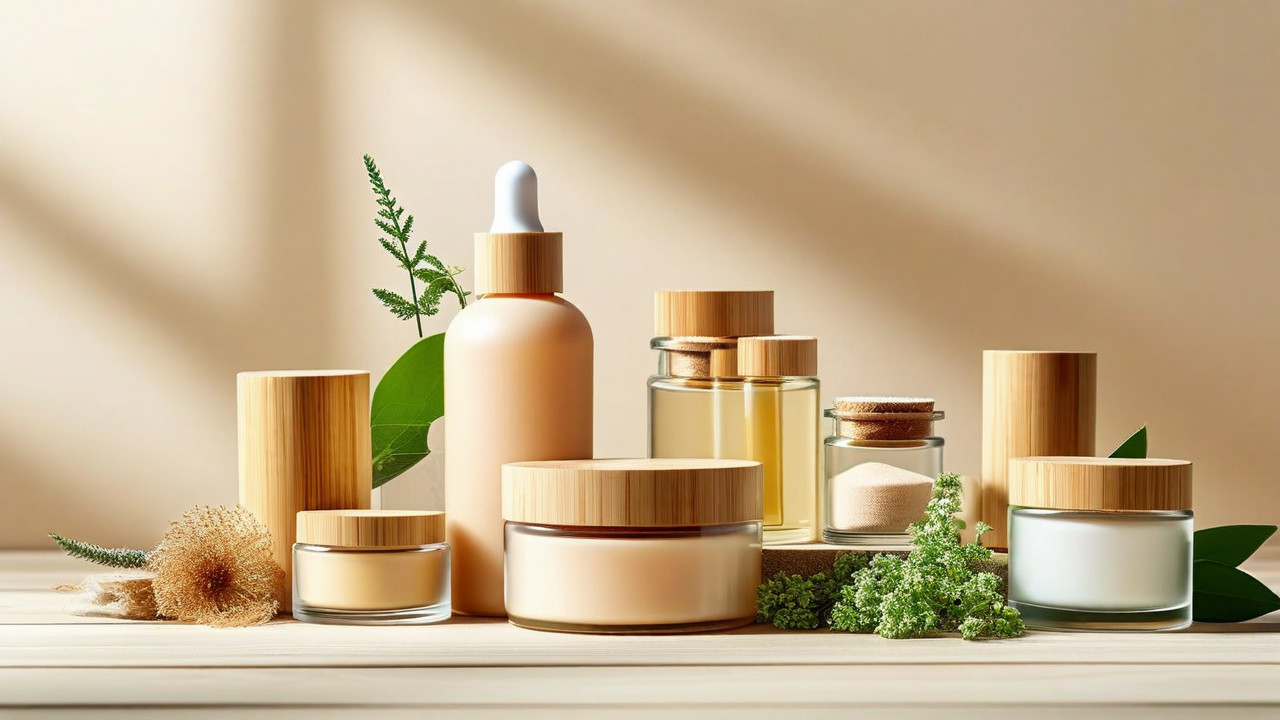
The growing movement of clean beauty
The beauty industry is undergoing a major transformation, with consumers increasingly prioritizing health, transparency, and sustainability. The rise of clean beauty has reshaped the cosmetics market, emphasizing products free from harmful toxins, synthetic chemicals, and environmentally damaging ingredients. This shift towards toxin-free cosmetics is not just a trend—it is a movement that is redefining skincare and makeup standards worldwide.
What is clean beauty?
Clean beauty refers to cosmetics and skincare products formulated without toxic, harmful, or questionable ingredients. While there is no universal definition, clean beauty typically focuses on:
- Non-toxic formulations: Free from parabens, phthalates, sulfates, synthetic fragrances, and other harmful chemicals.
- Transparency: Brands disclose all ingredients, ensuring consumers make informed choices.
- Sustainability: A focus on environmentally friendly packaging, ethical sourcing, and cruelty-free practices.
The factors driving the clean beauty revolution
Several factors have contributed to the rapid rise of clean beauty across Europe and beyond:
- Consumer awareness: Shoppers are more informed about the health risks associated with synthetic chemicals and toxic preservatives.
- Regulatory changes: European Union regulations are among the strictest in the world, banning over 1,300 harmful chemicals from cosmetics.
- Demand for ethical and sustainable products: Consumers seek cruelty-free, vegan, and eco-friendly alternatives.
- Influence of social media: Beauty influencers and wellness advocates are promoting clean beauty brands, encouraging transparency and ingredient-conscious choices.
Ingredients to avoid in conventional cosmetics
Many conventional beauty products contain ingredients that can be harmful to human health and the environment. Some of the most concerning substances include:
- Parabens: Linked to hormone disruption and skin irritation.
- Phthalates: Associated with reproductive toxicity and endocrine disruption.
- Sodium lauryl sulfate (SLS): A common foaming agent that can cause skin irritation.
- Synthetic fragrances: Often composed of undisclosed chemicals that may trigger allergies.
- Formaldehyde-releasing preservatives: Used to extend shelf life but may pose long-term health risks.
Top clean beauty brands in Europe
Many European brands have embraced the clean beauty philosophy, offering high-performance products that prioritize safety and sustainability. Some leading clean beauty brands include:
1. Dr. Hauschka (Germany)
A pioneer in natural skincare, Dr. Hauschka uses organic, biodynamic ingredients and sustainable packaging.
2. REN Clean Skincare (United Kingdom)
Known for its bioactive, toxin-free formulas and commitment to zero-waste packaging.
3. Tata Harper (France)
Luxury skincare brand focusing on 100% natural, non-toxic ingredients with farm-to-face production.
4. Kjaer Weis (Denmark)
A leading clean beauty brand offering high-performance, organic makeup with refillable packaging.
5. Naïf (Netherlands)
Specializing in gentle, toxin-free skincare for all ages, including babies and sensitive skin types.
The benefits of switching to clean beauty
Adopting a clean beauty routine offers numerous advantages:
- Healthier skin: Eliminating harsh chemicals reduces irritation and allergic reactions.
- Environmental protection: Clean beauty brands prioritize sustainable sourcing and biodegradable packaging.
- Cruelty-free choices: Many clean beauty brands avoid animal testing, aligning with ethical consumer values.
- Improved ingredient transparency: Knowing exactly what goes into skincare helps users make safer, more informed choices.
Challenges facing the clean beauty industry
Despite its growing popularity, clean beauty faces several challenges:
- Lack of standardization: Without a universal definition of clean beauty, some brands engage in greenwashing—marketing products as “clean” without meeting true toxin-free standards.
- Higher costs: Clean beauty products often come with a premium price due to ethical sourcing and organic ingredients.
- Shorter shelf life: The absence of synthetic preservatives can lead to reduced product longevity.
The future of clean beauty in Europe
The clean beauty movement is set to continue its growth across Europe, with several key trends emerging:
- More stringent regulations: The EU is expected to further tighten restrictions on harmful cosmetic ingredients.
- Advancements in green chemistry: New natural preservatives and bio-based ingredients will improve product performance.
- Eco-conscious packaging innovations: Refillable, compostable, and plastic-free packaging will become industry standards.
- Increased affordability: As demand rises, more affordable clean beauty options will enter the market.