Physical Address
304 North Cardinal St.
Dorchester Center, MA 02124
Physical Address
304 North Cardinal St.
Dorchester Center, MA 02124

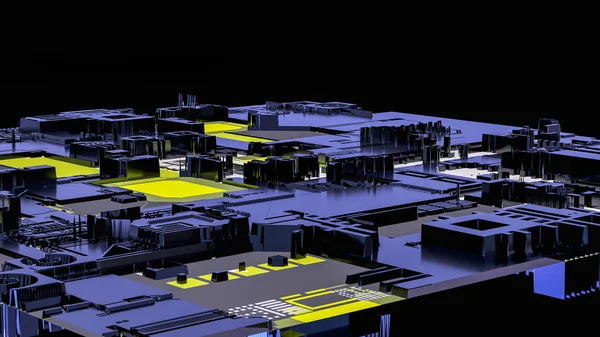
Building Information Modeling (BIM) is more than a design tool, it’s the foundation of modern project execution. BIM allows architects, engineers, and contractors to collaborate on 3D models that integrate data from every project stage.
This centralized system reduces design errors, improves cost estimates, and enhances coordination. In 2025, BIM is essential for large-scale architecture, particularly in sustainable construction and smart city planning.
AI is helping architects generate and optimize designs, analyze materials, and predict construction outcomes. Generative design software uses algorithms to explore thousands of layout possibilities based on specific goals, such as natural light or energy use.
AI also supports facility management by forecasting maintenance needs and energy patterns. Its integration creates buildings that are not just functional, but adaptive and data-informed.
Yes, digital twins replicate real-world structures in virtual environments using real-time data. This allows architects and city planners to simulate scenarios, from traffic flow to environmental impact, before implementation.
Smart materials react to environmental changes. In 2025, innovations like self-healing concrete, electrochromic glass, and temperature-responsive coatings are enhancing both aesthetics and functionality in architecture.
These materials reduce maintenance needs, improve energy performance, and enable dynamic building behavior, pushing architecture toward adaptive and resilient design.
Drones provide site analysis, monitor progress, and ensure safety. Robotics automate repetitive tasks such as bricklaying or 3D printing walls. This reduces human error and improves timelines, especially on complex projects.
Their growing use reflects architecture’s shift toward precision, automation, and high-tech integration across all construction phases.
The future will bring more connected ecosystems. Platforms combining BIM, AI, and IoT will enable full building lifecycle management, from concept to demolition. Architects will need digital literacy as much as design sensibility.
These changes demand not just new tools, but new mindsets. Architecture is becoming a collaborative, data-driven discipline shaped by technology, sustainability, and global challenges.
Technology is not replacing architects, it’s empowering them. In 2025, digital tools are the architects’ partners, unlocking creativity, enhancing sustainability, and redefining how we shape our built environment.