Physical Address
304 North Cardinal St.
Dorchester Center, MA 02124
Physical Address
304 North Cardinal St.
Dorchester Center, MA 02124

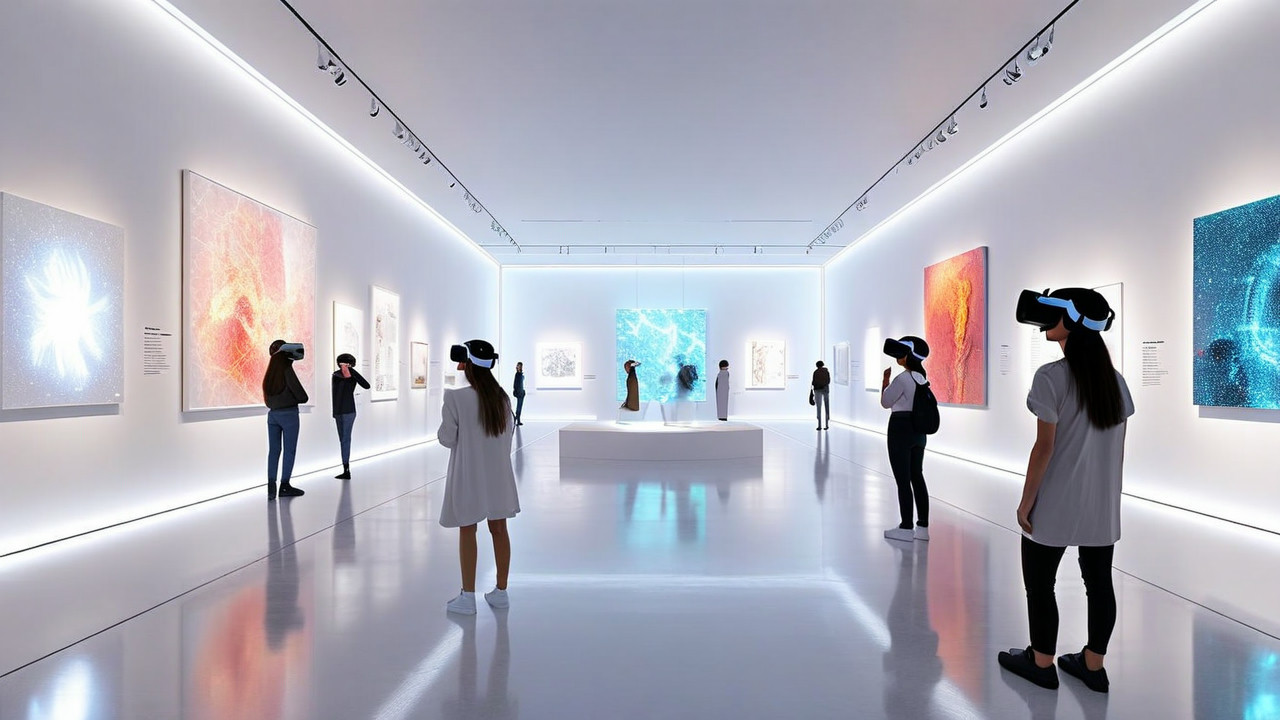
In recent years, digital art has surged as a prominent medium, shaping the future of the art world. Europe, with its rich artistic heritage and dynamic technological advancements, has become a breeding ground for emerging digital artists who are pushing boundaries and redefining creativity. From AI-generated art to immersive virtual reality experiences, these artists are capturing global attention and reshaping traditional notions of artistic expression.
Several factors contribute to the rising prominence of digital art in Europe:
A pioneer in AI-generated art, Sofia Crespo explores the intersection of nature and artificial intelligence. Her work focuses on neural networks to generate organic forms, questioning the relationship between technology and biology. Her creations have been exhibited in major galleries and NFT marketplaces, attracting both collectors and art enthusiasts.
Blending generative art with interactive installations, Gysin’s work reflects his deep engagement with computational design. His art incorporates algorithmic processes, resulting in unique visual experiences that challenge perceptions of digital aesthetics.
Known for her digital zen philosophy, Kim’s work revolves around meditative digital landscapes. She explores the psychological impact of light and color, creating mesmerizing immersive experiences through screens and digital spaces. Her work has been featured in major digital art collections and exhibited in innovative metaverse projects.
A multidisciplinary artist, Reo integrates 3D rendering, augmented reality, and motion graphics to create visually stunning digital sculptures. His work often critiques consumer culture and the digitalization of human identity, making waves in the NFT art scene.
Though originally from China, Lu Yang has gained significant recognition in Europe with her immersive installations blending digital animation, gaming aesthetics, and neuroscience. Her work often reflects themes of spirituality and transhumanism, pushing the boundaries of digital storytelling.
Artificial intelligence is transforming artistic creation, allowing artists to produce complex visuals using machine learning algorithms. AI-generated art has gained mainstream acceptance, with institutions and collectors embracing these new forms of expression.
Virtual and augmented reality experiences are redefining how audiences engage with art. European artists are pioneering metaverse-based exhibitions, creating immersive experiences where visitors can interact with digital installations in virtual galleries.
The NFT boom has provided digital artists with new avenues to sell their work and establish ownership. Platforms like Foundation, SuperRare, and Hic et Nunc have enabled European artists to connect directly with collectors and build sustainable careers.
Digital art is no longer confined to static visuals. Interactive installations and generative art experiences engage audiences in dynamic ways, turning them into participants rather than passive observers.
Sustainability concerns have become integral to digital art discourse. With blockchain’s energy consumption being a significant issue, European artists are exploring eco-friendly alternatives such as layer-2 solutions and proof-of-stake blockchains to reduce their environmental impact.
Despite the opportunities, digital artists in Europe face several challenges:
The future looks promising for digital artists in Europe as technological advancements continue to push creative boundaries. Institutions are increasingly integrating digital art into their programs, and new funding opportunities are emerging to support artists. As the digital landscape evolves, European artists will play a crucial role in shaping the global conversation on the intersection of art and technology.