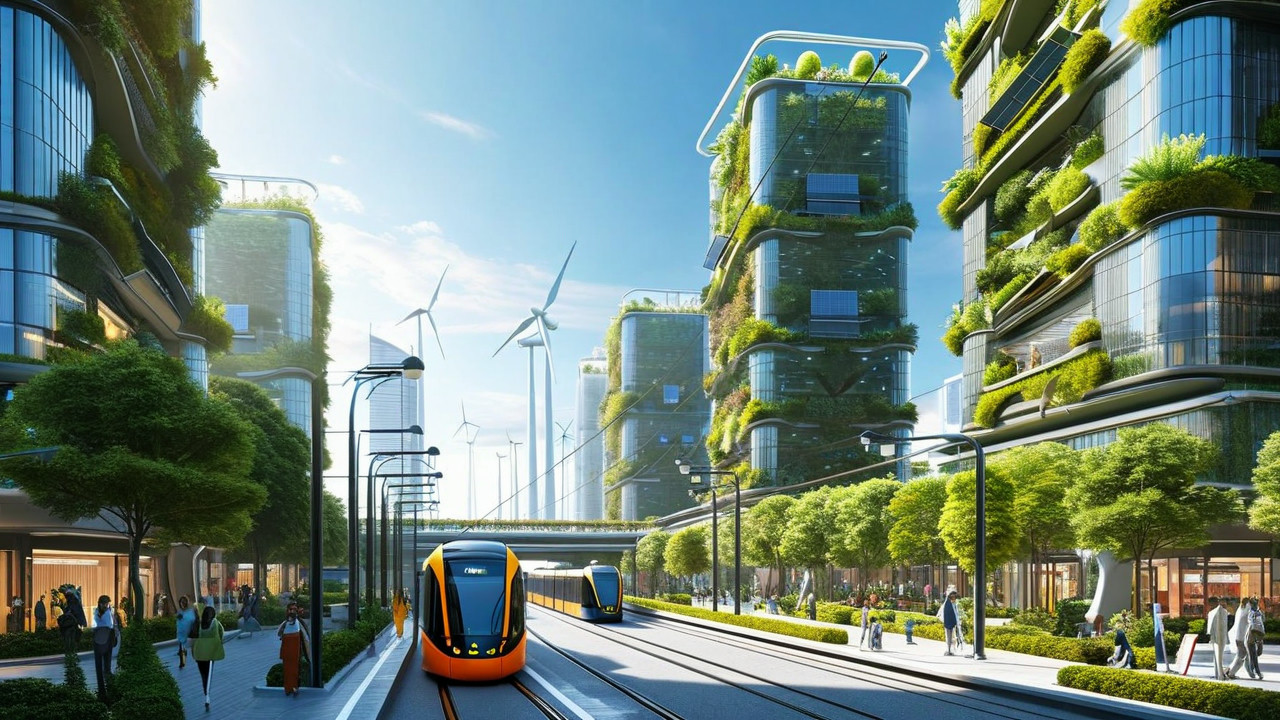
Europe is at the forefront of the green revolution, implementing policies and innovations to combat climate change, reduce carbon emissions, and transition to a sustainable economy. With ambitious renewable energy targets, green technology investments, and strict environmental regulations, Europe is setting a global example for sustainability.
Key factors driving Europe’s green revolution
1. Ambitious climate policies and regulations
The European Green Deal aims to make Europe climate-neutral by 2050, with initiatives such as:
- Carbon neutrality goals: Cutting greenhouse gas emissions by 55% by 2030.
- Strict pollution controls: Regulations on industrial emissions and plastic waste reduction.
- Sustainable transport initiatives: Expansion of electric vehicle (EV) infrastructure and green public transport.
2. Renewable energy leadership
Europe is a global leader in renewable energy, with countries like Denmark, Germany, and Spain investing heavily in wind, solar, and hydroelectric power. Key initiatives include:
- Massive offshore wind farms in the North Sea.
- Solar power expansion in Southern Europe.
- Hydrogen energy projects to replace fossil fuels in industries.
3. Sustainable urban development
European cities are embracing green architecture, smart city technologies, and eco-friendly urban planning. Examples include:
- Copenhagen: Aiming to be the world’s first carbon-neutral city.
- Amsterdam: Investing in energy-efficient housing and car-free zones.
- Stockholm: Pioneering waste-to-energy initiatives and sustainable infrastructure.
4. Green technology and innovation
European startups and corporations are driving eco-innovation with:
- Circular economy models reducing waste and promoting recycling.
- Smart grids optimizing energy consumption.
- Sustainable agriculture practices reducing water use and pesticide dependency.
Challenges to Europe’s green transition
Despite progress, challenges remain:
- High costs of green infrastructure and renewable energy projects.
- Dependence on fossil fuels in some regions.
- Balancing economic growth with sustainability.
The future of Europe’s green revolution
Europe’s green transition will continue with:
- Greater investment in clean energy and sustainable technologies.
- Stronger climate policies to enforce environmental targets.
- Cross-border collaborations to develop eco-friendly solutions.