Physical Address
304 North Cardinal St.
Dorchester Center, MA 02124
Physical Address
304 North Cardinal St.
Dorchester Center, MA 02124

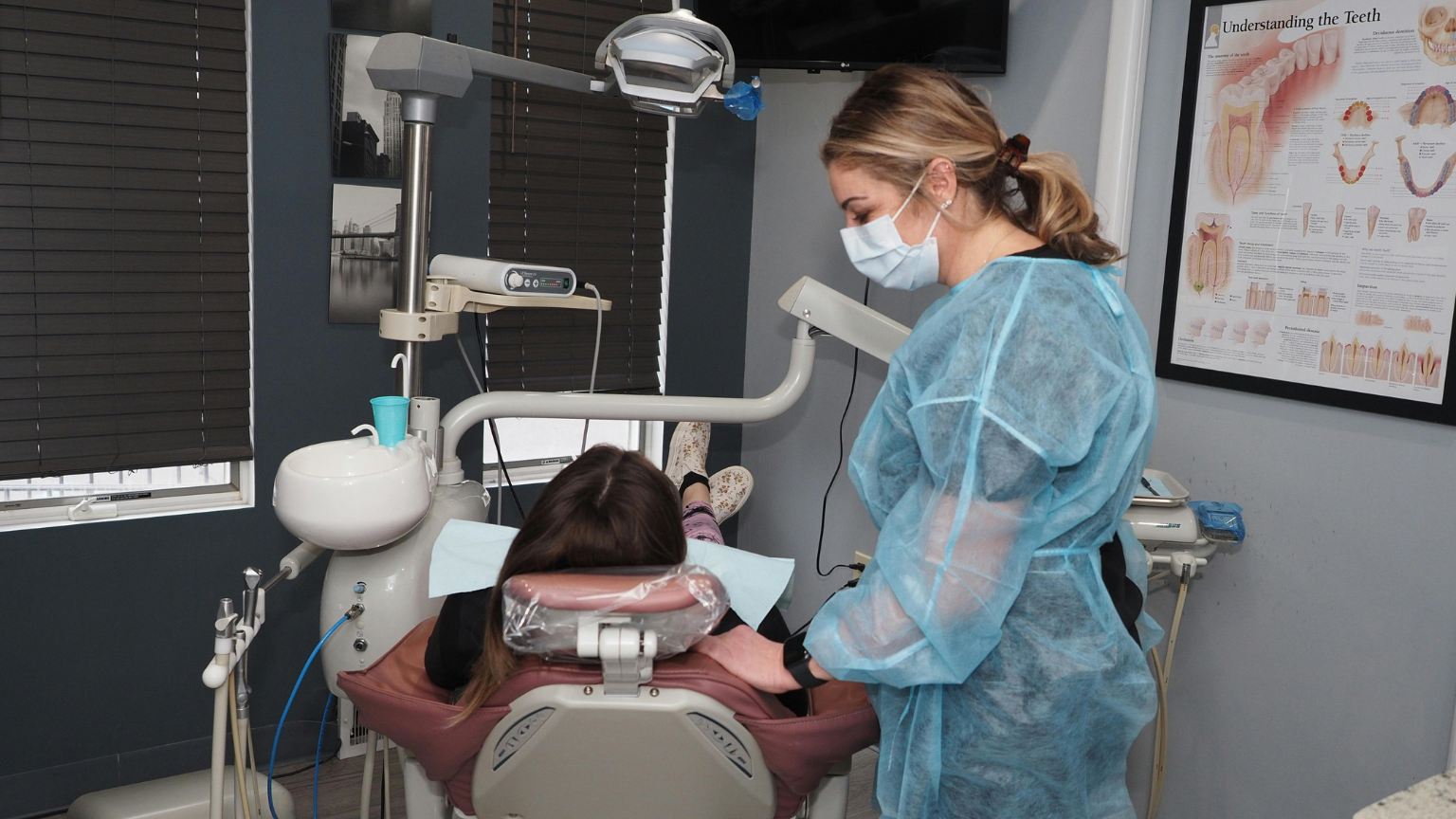
Dental issues can escalate quickly when not treated in time. Recognizing the signs of a dental emergency early can make a major difference in preventing long-term damage, avoiding expensive procedures, and protecting overall health.
While many dental problems may seem minor at first, certain symptoms require immediate attention from a professional.
Pain is often the first indicator that something is wrong. Persistent or severe toothache, especially when it doesn’t subside with over-the-counter painkillers, should not be ignored. This type of pain may signal an underlying infection, damaged nerve, or decay that has reached an advanced stage.
Swelling in the gums, cheeks, or jaw can also indicate infection or trauma. If swelling is accompanied by a fever or difficulty swallowing, it may suggest the infection is spreading — a serious health concern that needs urgent care.
Other warning signs include bleeding that won’t stop, loose teeth without trauma, broken or chipped teeth causing sharp edges, and any dental injury that results from an accident. These are all strong indicators that emergency care is necessary.
When a dental emergency arises, the best course of action is to remain calm and seek help immediately. Applying a cold compress can help reduce pain or swelling while waiting for professional assistance. If a tooth is knocked out, it should be preserved in milk or a tooth-preservation product until a dentist can assess the situation.
It’s important not to rely solely on home remedies or delay treatment, as this may worsen the condition. The earlier action is taken, the higher the chances of preserving the natural tooth and preventing complications.
Postponing emergency care can lead to serious consequences. An untreated dental infection may spread to other parts of the body, leading to systemic issues such as sepsis. Damage to a tooth that could have been repaired may become irreparable, requiring extraction.
There’s also the emotional toll of enduring pain and uncertainty. Dental emergencies don’t just affect oral health — they impact quality of life, concentration, sleep, and even self-confidence.
For those unsure whether their symptoms qualify as urgent, it’s always better to consult a professional. Some dental clinics offer emergency services and can guide patients on next steps.
Emergency dentists are trained to handle high-pressure situations with care and efficiency. Their focus is not only on relieving pain but also on preserving dental structure and preventing further issues. They use modern diagnostic tools to quickly assess the problem and provide a treatment plan.
Services may include root canals, tooth stabilization, antibiotics for infection, or temporary restorations. In many cases, acting promptly can avoid the need for more invasive procedures later.
Dental professionals who specialize in urgent care often work in environments designed for quick response. Those interested in learning about how these clinics operate can explore more information about the team and their approach to patient care.
Finding a local emergency dentist ensures that care is accessible when every minute counts. Clinics that offer same-day appointments or have flexible hours are especially valuable during off-peak times or holidays.
If symptoms appear unexpectedly, contacting the clinic through their contact page or by phone can ensure the situation is evaluated without delay. Many practices encourage potential patients to describe their condition, allowing the team to prioritize appointments based on urgency.
Recognizing a dental emergency early protects more than just teeth — it safeguards health and well-being. Being aware of symptoms like intense pain, swelling, or bleeding allows individuals to act quickly and avoid long-term complications.
Access to emergency dental care and knowing when to use it makes a significant difference in outcomes.