Physical Address
304 North Cardinal St.
Dorchester Center, MA 02124
Physical Address
304 North Cardinal St.
Dorchester Center, MA 02124

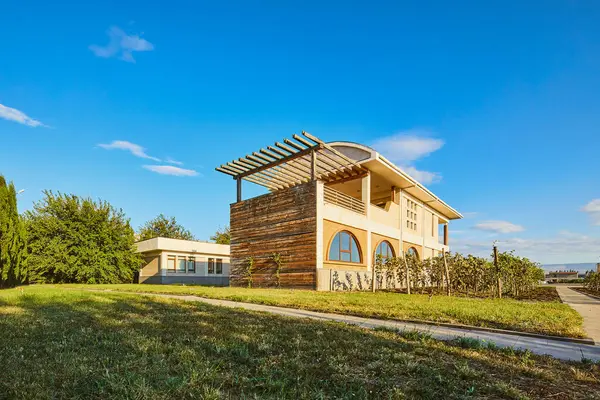
Architecture in 2025 is defined by environmental responsibility. The use of sustainable materials is no longer optional, it’s foundational. Architects are choosing materials with low environmental impact to align with global climate goals and client expectations.
From bamboo to hempcrete and reclaimed wood, these materials reduce carbon emissions and support circular construction models. They also promote healthier indoor environments through non-toxic and breathable compositions.
Recycled steel, cross-laminated timber (CLT), cork, and biodegradable insulation are among the most used sustainable options in current architecture. Each provides strength, energy efficiency, and visual appeal without sacrificing performance.
Eco-materials are key to meeting certifications like LEED, BREEAM, or WELL. Their low VOC emissions, durability, and energy performance contribute to long-term sustainability and occupant well-being.
These materials are also easier to repurpose, reducing landfill contributions. Their environmental lifecycle is carefully considered, making them ideal for architects aiming for regenerative design practices.
Yes, especially over the building’s lifecycle. Although upfront costs can be slightly higher, long-term savings in energy, maintenance, and operational efficiency outweigh the investment.
Incentives and green grants across Europe further reduce initial expenses. As demand increases, material prices are stabilizing, making sustainability an accessible goal for more developers.
New sustainable materials are inspiring architects to experiment with texture, light, and modularity. Bio-based panels, translucent insulation, and adaptive facades are changing how we experience buildings.
The future lies in regenerative and closed-loop materials. Architects and researchers are developing self-repairing surfaces, AI-optimized composites, and fully compostable components. These materials will reduce dependency on finite resources.
With climate policy pushing for lower emissions, the industry is shifting toward bio-integrated, recyclable, and ethically sourced building systems that balance innovation with ecological stewardship.
Sustainable materials are more than a trend, they’re a necessity. In 2025, architects are designing buildings that respect nature, reduce waste, and offer a healthier way to live and build.