Physical Address
304 North Cardinal St.
Dorchester Center, MA 02124
Physical Address
304 North Cardinal St.
Dorchester Center, MA 02124

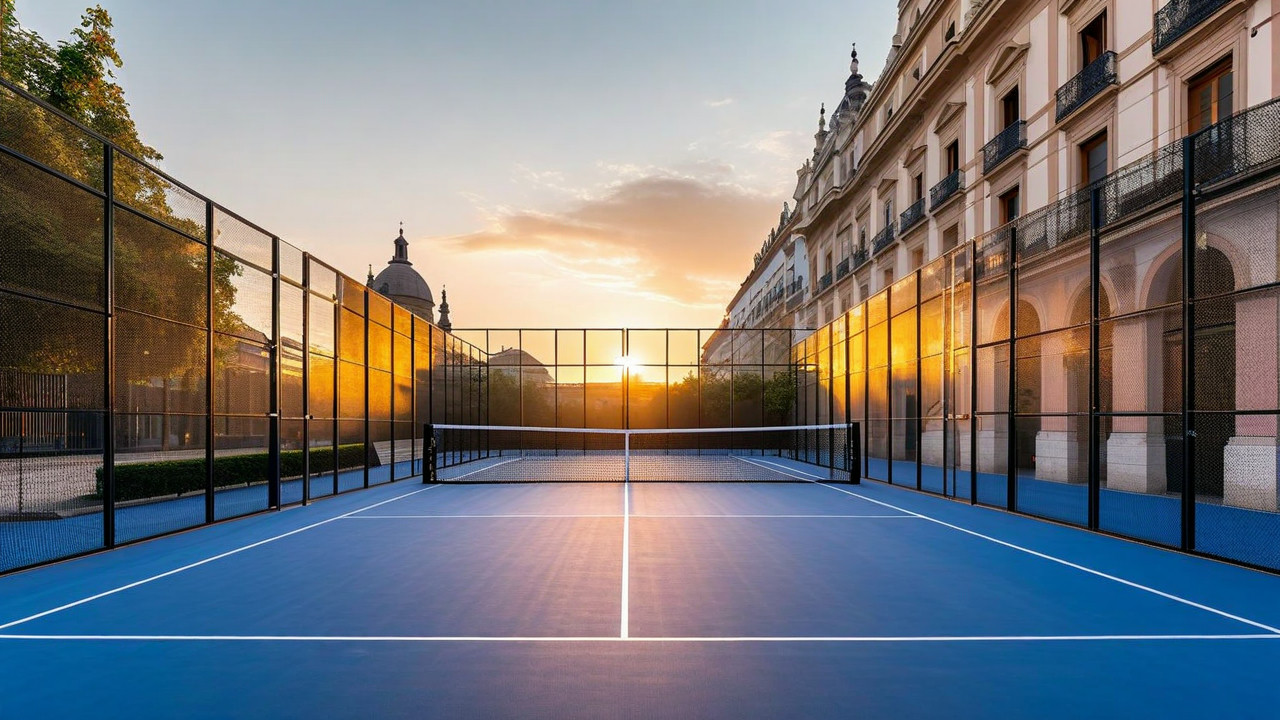
Padel tennis has rapidly gained traction across Europe, evolving from a niche sport into a mainstream phenomenon. Once primarily played in Spain and Argentina, this hybrid between tennis and squash is now one of the fastest-growing sports on the continent. With new courts opening in cities across the UK, France, Italy, and Sweden, padel is no longer just a regional trend—it’s a European sensation.
Padel tennis is a racket sport played in doubles on an enclosed court about one-third the size of a tennis court. The walls are used in gameplay, similar to squash, adding an extra layer of strategy. The sport is known for its accessibility, requiring less power and technical skill than traditional tennis, making it appealing to players of all ages and fitness levels.
Several factors have contributed to the rapid rise of padel tennis across Europe:
Unlike traditional tennis, padel is easier for beginners. The smaller court size and underhand serve make rallies longer and more engaging, allowing new players to enjoy the game quickly.
European cities are investing heavily in padel facilities. Countries like Sweden, Italy, and the UK have seen a surge in padel court construction, with private clubs and public facilities catering to the increasing demand.
Famous athletes, including footballers like Lionel Messi and Cristiano Ronaldo, have promoted padel tennis, boosting its appeal. Social media has also played a major role in spreading awareness and showcasing the sport’s fun and competitive nature.
Padel tennis is a highly social sport, often played in doubles, making it an ideal activity for families, friends, and corporate team-building events. The friendly nature of the game contributes to its widespread appeal.
The World Padel Tour (WPT) has gained international recognition, with major tournaments now held in key European cities. The growing visibility of professional padel players has further fueled interest in the sport.
While Spain remains the dominant force in padel tennis, other European countries have embraced the sport with enthusiasm:
With over 20,000 courts, Spain leads the world in padel popularity. The sport is integrated into the culture, with professional and amateur leagues flourishing nationwide.
Sweden has experienced an explosive padel boom, with thousands of courts built in the last five years. The sport has attracted high-profile investors and celebrities, further accelerating its growth.
Padel is becoming a mainstream sport in Italy, with increased media coverage and strong participation from former tennis players.
Both countries have seen significant investments in padel facilities, with the sport gaining ground in Paris and London. Clubs and federations are actively promoting padel as an alternative to traditional tennis.
Despite its rapid expansion, padel tennis still faces some obstacles:
Padel tennis is on a trajectory for continued expansion in Europe. With increased investment, media coverage, and grassroots participation, the sport is expected to become a permanent fixture in the European sporting landscape. The future trends include: