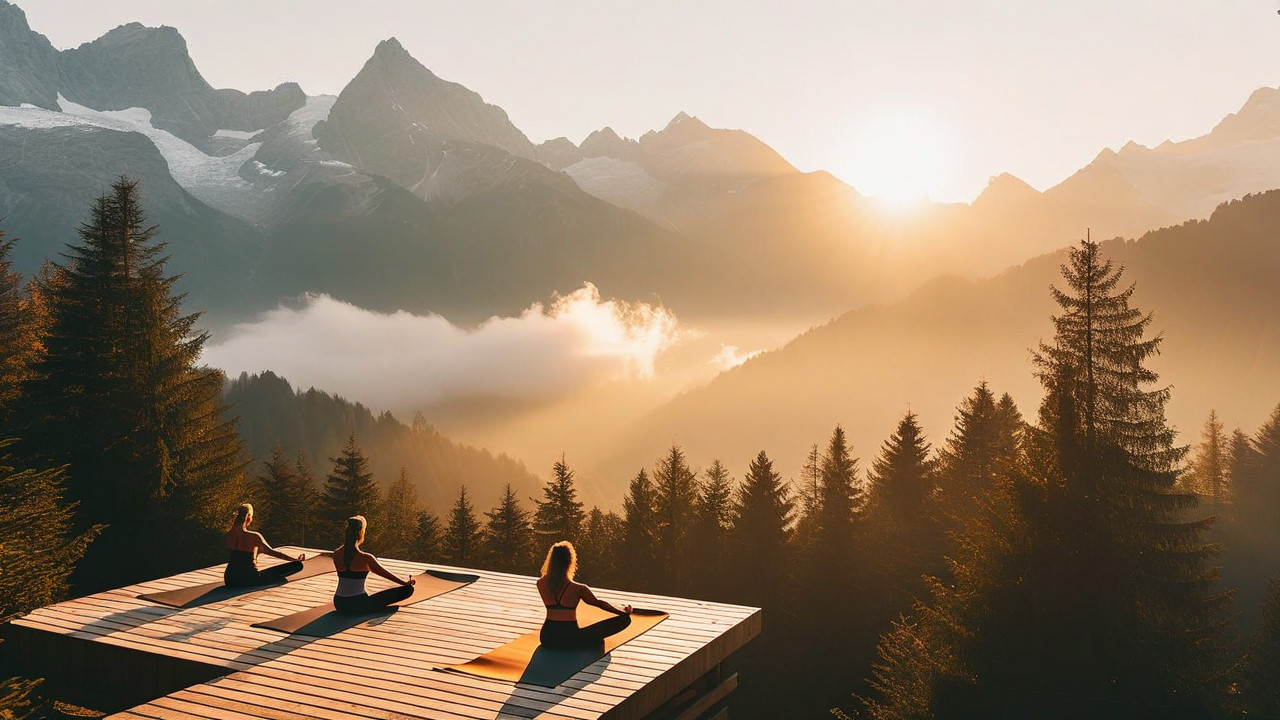
The growth of wellness retreats in Europe
In recent years, wellness retreats have experienced an unprecedented rise in Europe. More and more people are seeking to escape daily stress and find spaces where they can care for their bodies and minds holistically. From yoga getaways in Tuscany to detox programs in the Swiss Alps, the wellness retreat offerings across the continent have diversified to cater to all types of travelers.
Factors driving the rise of wellness retreats
Several factors have contributed to the sustained growth of wellness retreats in Europe:
- Increase in stress and burnout: Modern life and its fast pace have led to rising levels of anxiety and exhaustion, driving people to seek ways to disconnect.
- Greater awareness of mental and physical health: The pandemic accelerated the trend of prioritizing overall well-being, promoting interest in practices like meditation, yoga, and healthy eating.
- Expansion of wellness tourism: Travel destinations have adapted their offerings to include relaxation experiences, recognizing the growing demand for restorative escapes.
- Innovations in therapies and treatments: From thermal spas to sound therapy and fasting programs, retreats have evolved to offer scientifically backed and personalized options.
Most popular types of wellness retreats in Europe
Europe hosts a wide variety of retreats designed for different goals and lifestyles. Some of the most popular include:
1. Yoga and meditation retreats
Located in serene landscapes such as the French countryside or Greek islands, these retreats offer yoga classes, mindfulness sessions, and guided breathing practices to achieve mental and physical balance.
2. Detox and nutrition retreats
Designed to cleanse the body and improve digestive health, these retreats include diets based on natural foods, intermittent fasting, and purification therapies, with options in countries like Austria and Germany.
3. Spa and thermal water retreats
Spain, Italy, and Hungary feature retreats that take advantage of the healing properties of their thermal waters. These spaces combine mineral baths, therapeutic massages, and natural treatments for body rejuvenation.
4. Nature and adventure retreats
For those looking to combine wellness with physical activity, retreats in the Swiss Alps, the Pyrenees, and the Scottish coast offer hiking, forest bathing, and outdoor experiences.
5. Holistic wellness retreats
These retreats combine multiple disciplines, from energy therapies and sound healing to spiritual practices, creating a comprehensive experience for body and mind wellness.
Leading wellness retreat destinations in Europe
Europe boasts several iconic destinations that have become benchmarks for wellness tourism. Some of the most notable include:
- Portugal’s European Bali: The Algarve region hosts exclusive yoga and meditation retreats with stunning Atlantic Ocean views.
- Tuscany, Italy: Known for its idyllic landscapes, it is a preferred destination for holistic wellness and mindful nutrition.
- The Swiss Alps: Famous for its wellness retreats in mountainous settings, ideal for meditation and complete relaxation.
- Iceland: With its thermal baths and volcanic landscapes, it offers unique relaxation retreats.
- Southern Spain’s coast: From Marbella to Ibiza, it is home to exclusive wellness clinics and rejuvenation programs.
Benefits of wellness retreats
Wellness retreats not only provide rest but also offer tangible health benefits:
- Stress reduction: Meditation and breathing practices help balance the nervous system and reduce anxiety.
- Improved sleep: Contact with nature and digital detox contribute to better sleep quality.
- Stronger immune system: The combination of healthy nutrition, exercise, and natural therapies enhances immune response.
- Increased body and mental awareness: By practicing activities like yoga and meditation, participants learn to listen to their bodies and manage emotions.
- Connection with nature: Most retreats are set in natural environments that promote inner peace and overall well-being.
Challenges and sustainability in wellness retreats
Despite their growing popularity, wellness retreats also face challenges:
- High costs: Many high-end retreats are out of reach for most people, limiting accessibility.
- Sustainability and ecological footprint: The influx of tourists to natural destinations can impact the environment if not managed properly.
- Authenticity and quality: With the rise in demand, some retreats prioritize marketing over the quality of the experience, which can affect the sector’s credibility.
To address these challenges, many retreats are adopting sustainable practices such as using organic products, implementing renewable energy, and promoting responsible tourism.
The future of wellness retreats in Europe
Interest in wellness continues to grow, indicating that wellness retreats will keep evolving. Future trends are expected to include:
- Greater integration of technology: The use of artificial intelligence and apps to personalize wellness experiences.
- Focus on mental health: Growth of programs designed to reduce anxiety and improve emotional resilience.
- Sustainability as a priority: Expansion of eco-friendly retreats with a lower environmental impact.
- Corporate wellness: Increasing interest from companies in sending employees to retreats to enhance productivity and well-being.