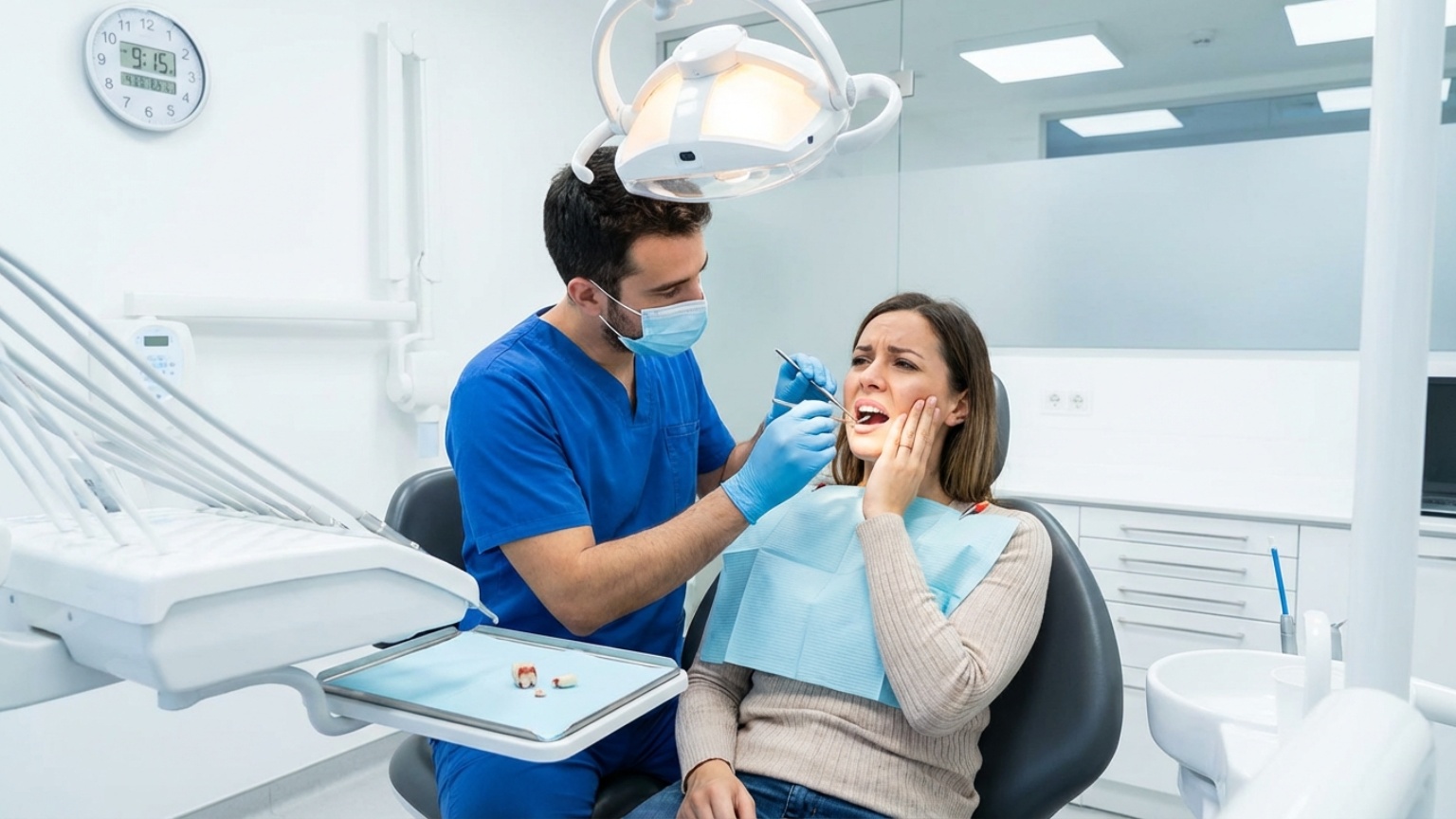
Sudden tooth pain or an unexpected dental injury can cause significant distress. Knowing where to turn during such critical moments is important. An emergency dentist provides immediate care for urgent oral health problems. This article explains their role and the situations requiring prompt attention.
1. What is the role of an emergency dentist?
An emergency dentist provides immediate care for urgent dental problems that cannot wait for a regular appointment. These professionals address severe pain, injuries, and infections that require prompt attention. Their main goal is to relieve discomfort, prevent further damage, and protect a patient’s oral health quickly.
- Severe Toothache: This pain often needs quick attention to find the cause and relieve discomfort. For example, a sudden, throbbing pain in a molar could signal an infection requiring immediate treatment.
- Chipped or Broken Tooth: Accidents can cause teeth to break or chip. If a front tooth breaks after a fall, an emergency dentist can assess the damage and begin repair.
- Lost Filling or Crown: When a filling or crown falls out, it exposes the tooth to sensitivity and further damage. Someone losing a crown while eating can get temporary relief and protection from an emergency dentist.
- Dental Abscess: A dental abscess is a serious infection that can spread. A patient experiencing swelling and pus around a tooth needs an emergency dentist to drain the infection and prescribe antibiotics.
- Mouth Injury: Injuries from falls or sports can cause cuts and bleeding in the mouth. For example, a sports injury causing a laceration to the lip or tongue requires prompt assessment and care.
Access to an emergency dentist is vital for managing unexpected dental problems. Their immediate care helps prevent conditions from worsening and reduces patient discomfort.
2. Why is timely care from an emergency dentist crucial?
Timely care from an emergency dentist is crucial because dental emergencies can cause significant pain and often worsen rapidly. Delaying treatment for urgent dental issues can lead to more complex problems and increased discomfort.
Addressing these problems quickly helps preserve a patient’s oral health and prevents further damage to their teeth and gums. For example, a severe toothache might signal an infection that requires immediate attention to prevent it from spreading.
- Pain Relief: Dental emergencies frequently involve severe and sudden pain. An emergency dentist can quickly diagnose the source of discomfort and provide necessary treatment for immediate relief.
- Preventing Worsening Conditions: A minor dental issue, like a small chip or crack, can quickly worsen without prompt attention. Timely care stops these problems from becoming more severe and complex.
- Saving a Tooth: For incidents such as a knocked-out tooth, time is extremely important for successful re-implantation. An emergency dentist offers the best chance to save the natural tooth if treatment occurs quickly.
- Avoiding Complications: Untreated dental infections or injuries can lead to more serious health issues beyond the mouth. Seeking early treatment helps prevent these complications from spreading or becoming chronic.
- Restoring Oral Function: Damage to teeth or gums can make daily activities like eating and speaking painful or difficult. Emergency dental care helps restore normal mouth function and comfort efficiently.
Seeking immediate help for dental emergencies protects a patient’s overall health and prevents long-term complications. Individuals should contact an emergency dentist as soon as an urgent issue arises.
3. How to recognize the signs for an emergency dentist visit?
Recognizing when a dental issue requires immediate attention is important for preserving oral health. An emergency dentist helps with urgent conditions that cannot wait for a regular appointment. These situations often involve severe pain, injury, or potential tooth loss. Knowing the key signs can help individuals decide when to seek urgent dental care.
- Severe Toothache: A persistent, intense toothache often points to a serious underlying problem. This pain might make eating, sleeping, or even speaking difficult. For example, a sharp, throbbing pain that keeps someone awake at night needs immediate attention.
- Knocked-Out Tooth: If a tooth gets completely dislodged from its socket, immediate action can sometimes save it. Time is critical in such cases to increase the chances of re-implantation success. An example is a tooth lost during a fall or sports injury.
- Chipped or Broken Tooth: A significant chip or break, especially if it causes pain or exposes the inner tooth, needs urgent care. This can prevent further damage or infection. If a large piece of a front tooth breaks off, it requires prompt dental assessment.
- Abscess or Swelling: Swelling in the mouth, gums, or face, often with pain, could signal an infection or abscess. This condition can spread and become dangerous if not treated quickly. A visible pus-filled bump on the gum is a clear sign of an abscess.
- Lost Filling or Crown with Pain: While not always an emergency, a lost filling or crown that causes significant pain or sensitivity needs quick attention. Exposed tooth structure can lead to discomfort and further damage. For instance, if a crown falls out and leaves a sharp, painful edge, an emergency visit is wise.
Understanding these signs helps individuals make informed decisions about their dental health. Acting quickly in a dental emergency can prevent more serious complications and help save a tooth.
4. What to do before seeing an emergency dentist?
- Manage Pain: Control discomfort as much as possible before the appointment. People can take over-the-counter pain relievers, such as ibuprofen, strictly following the package directions.
- Stop Bleeding: Apply gentle, constant pressure to the affected area if bleeding occurs. A clean gauze pad or even a damp tea bag can help reduce blood flow effectively.
- Protect the Affected Area: If a tooth is knocked out, handle it carefully by the crown, avoiding the root. Store it in milk or saliva to keep it moist, which increases the chance of saving the tooth.
- Gather Information: Note any symptoms, the exact time the injury occurred, and relevant past dental history. This important information helps the dentist quickly understand the situation and plan the most suitable treatment.
- Avoid Certain Foods or Drinks: Do not eat or drink anything that might worsen the pain or the injury itself. This includes very hot, very cold, or hard foods, which can cause further irritation.