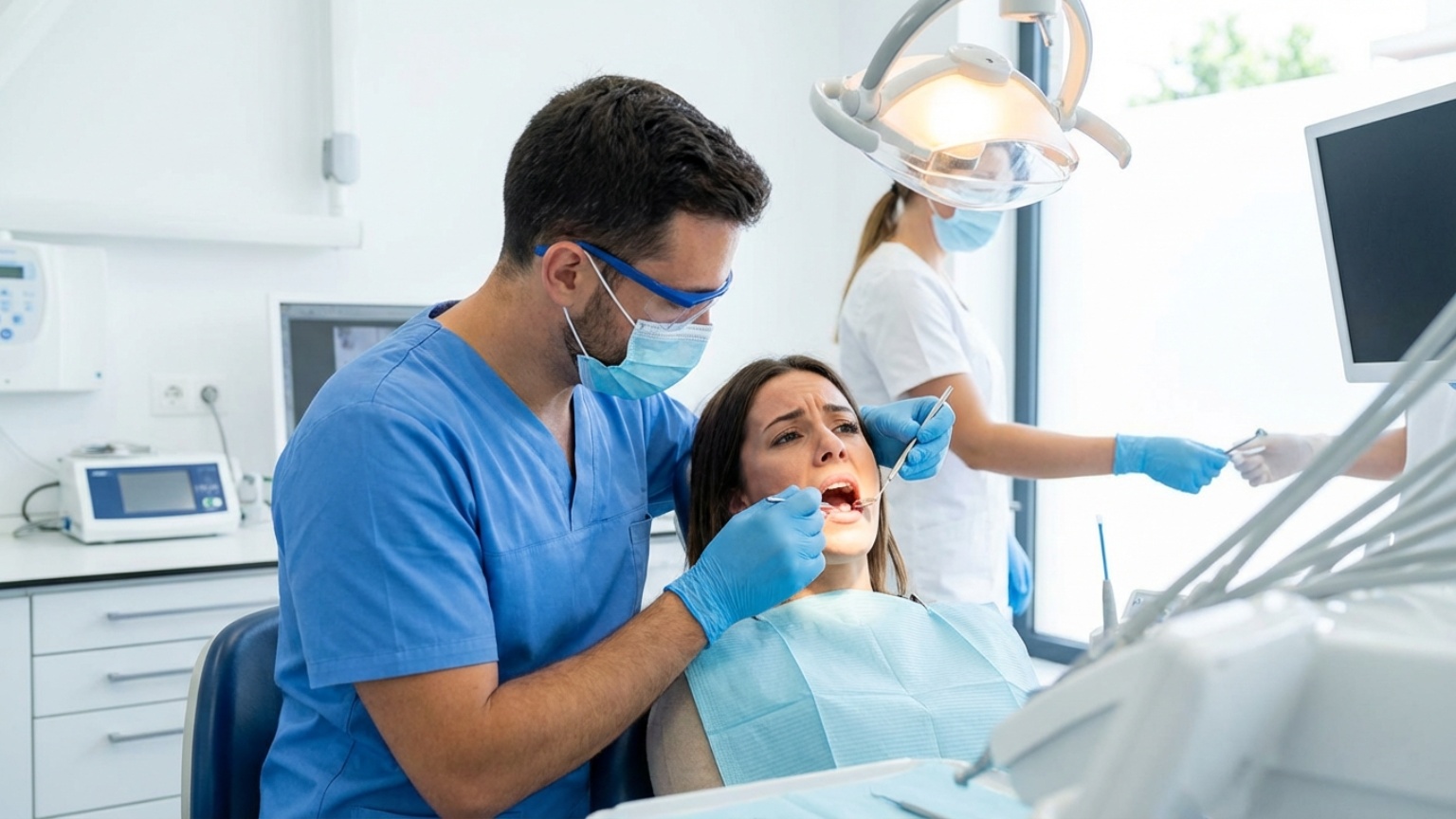
A sudden toothache or an unexpected dental injury can cause significant distress. Knowing when a dental issue requires immediate attention is crucial for preserving oral health. Many people wonder if their situation qualifies as an emergency. Understanding the signs and appropriate actions can make a difference.
1. What is the definition of an emergency dental situation?
An emergency dental situation involves a problem with your teeth or mouth that needs immediate care. These issues typically cause severe pain, risk permanent damage, or threaten your overall health. Prompt attention helps prevent the condition from getting worse and can save a tooth can save tooth.
- Severe toothache: A sudden, intense toothache can signal an infection or serious damage inside the tooth. This pain often makes it hard to eat or sleep.
- Knocked-out tooth: If a tooth gets completely dislodged from its socket, quick action is crucial. There is a small window of time to save the tooth, often within an hour.
- Chipped or broken tooth: A broken or chipped tooth, especially if it causes sharp pain or exposes the inner pulp, needs urgent care. This can prevent infection or further breakage.
- Dental abscess: An abscess is a painful infection at the root of a tooth or between the gums and a tooth. It can cause swelling, fever, and might spread if not treated right away.
- Lost filling or crown with pain: Losing a filling or crown can expose sensitive areas of the tooth. If this causes significant pain or makes the tooth vulnerable, it becomes an emergency.
Recognizing these urgent signs means you can get help quickly when it matters most. Acting fast protects your oral health and prevents more complex treatments later.
2. Why is prompt emergency dental treatment important?
Prompt emergency dental treatment is crucial for protecting a person’s oral health. It helps prevent minor dental issues from becoming more serious problems. Timely care can save a tooth and reduce a patient’s recovery time. Ignoring dental emergencies often leads to more complex and costly procedures later.
- Pain Relief: Immediate treatment can quickly stop severe pain. This improves a patient’s comfort and ability to carry out daily activities, such as a patient with a cracked tooth experiencing sharp pain when eating.
- Preventing Infection: Untreated dental issues, such as abscesses, can spread infection throughout the body. This spread can affect other parts of the body, leading to more serious health concerns.
- Saving a Tooth: For injuries like a knocked-out tooth, quick action is vital. Replanting a tooth within an hour greatly increases its chance of survival.
- Avoiding Complications: Delaying treatment for conditions like severe cavities or fractures can worsen the damage. This often results in the need for more extensive and expensive procedures.
- Reducing Treatment Costs: Addressing an emergency early can prevent the condition from deteriorating further. This can limit the scope of treatment needed, making it less costly overall.
Seeking immediate care for dental emergencies protects oral health and supports general well-being. It also helps prevent future complications that arise from untreated conditions.
3. How to identify common emergency dental symptoms?
Recognizing common emergency dental symptoms is important for getting quick care. These symptoms often point to serious oral health issues that need immediate attention. Knowing what to look for can help someone decide when to seek urgent dental help. For example, ignoring severe pain can lead to more complex problems.
- Severe Toothache: A persistent, intense toothache indicates an urgent problem. This pain often makes it hard to sleep, eat, or focus on daily tasks.
- Swelling in the Mouth or Face: Swelling around a tooth, the gums, or the jaw can signal an infection. This symptom might also come with fever or difficulty swallowing.
- Knocked-out Tooth: If an adult tooth is completely dislodged, it is a dental emergency. Time is critical for the best chance to save the tooth.
- Broken or Chipped Tooth with Pain: A tooth that breaks or chips, especially if it causes pain or exposes the inner pulp, needs urgent care. This can happen from biting hard food or an accidental fall.
- Lost Filling or Crown Causing Pain: When a filling or crown falls out, it can leave the tooth exposed and sensitive. This exposure often leads to sharp pain when eating or drinking.
Identifying these signs early allows for prompt treatment and can prevent further damage. Anyone experiencing these symptoms should contact a dental professional without delay.
4. What are the immediate actions for an emergency dental incident?
When an emergency dental incident occurs, knowing what to do immediately can greatly improve the outcome. These first actions help manage pain, reduce swelling, and protect the affected area.
Taking prompt steps is crucial before a dental professional can provide treatment. For example, if a tooth gets knocked out during a sports game, quick action is vital for its potential reinsertion.
- Contact a Dentist: The first step is to call a dental office immediately. They can provide guidance on what to do and arrange an urgent appointment.
- Manage Pain and Swelling: Apply a cold compress to the outside of the mouth or cheek to reduce swelling. Over-the-counter pain relievers can help lessen discomfort temporarily.
- Handle a Knocked-Out Tooth: Pick up the tooth by the crown, avoiding the root. Rinse it gently with water and try to reinsert it into its socket, or keep it moist in milk.
- Address a Broken or Chipped Tooth: Rinse the mouth with warm water to clean the area. Collect any broken pieces of the tooth and take them to the dentist.
- Stop Bleeding: Use a clean piece of gauze or a tea bag and apply gentle pressure to the bleeding area for 10-15 minutes. If bleeding continues heavily, seek immediate dental attention.
Following these immediate steps can help stabilize the situation and prevent further damage. Always seek professional emergency dental care as soon as possible for proper diagnosis and treatment.