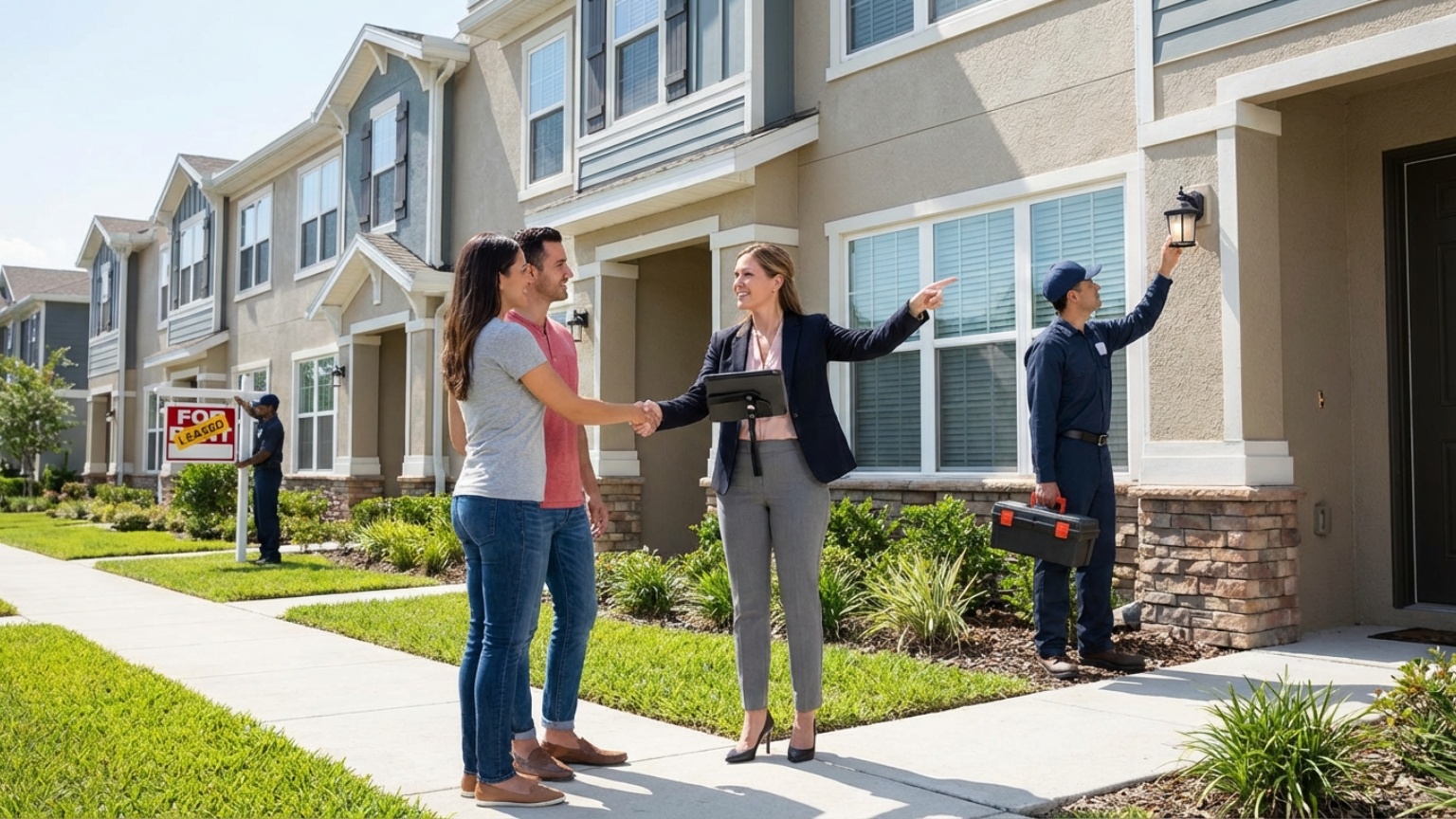
Property owners often face significant challenges managing their investments, from finding reliable tenants to handling unexpected maintenance. These tasks can be time-consuming and complex, especially for those living far away. Understanding property management offers a clear path to simplifying these responsibilities and protecting an asset.
1. What does property management entail for property owners?
Property management offers a professional service designed to oversee and maintain a property. For owners, this means handling daily operations and ensuring the property remains in good condition remains good condition.
It involves various tasks, from finding guests for holiday rentals to managing necessary repairs. This support is especially helpful for owners who do not live near their investment.
- Guest and Tenant Services: This involves finding and screening suitable guests or tenants for a property. Managers also handle all communication, check-ins, and check-outs, ensuring a smooth experience for everyone involved.
- Property Maintenance and Repairs: Managers arrange for regular upkeep and necessary repairs to keep the property in top shape. For example, they coordinate cleaning services, garden care, and address any maintenance issues, like a leaking pipe, quickly.
- Financial Administration: This includes collecting rent or holiday rental payments and paying property-related bills. Managers also provide clear financial reports to owners, detailing income and expenses.
- Legal and Regulatory Compliance: Property managers ensure the property follows all local laws and regulations. This is crucial for maintaining necessary rental licenses and adhering to safety standards, avoiding potential fines.
Ultimately, property management protects an owner’s investment and helps maximize its income potential. It provides owners with peace of mind, knowing their property is well-cared for by local experts.
2. Why is professional property management important for owners?
Property ownership involves many tasks, especially for rental properties. A professional property manager handles these responsibilities, saving owners significant time and effort. This service helps protect the property investment and can increase rental income. Owners gain peace of mind knowing their asset is well-managed their asset well-managed.
- Time efficiency: Property owners often have busy schedules or live in different locations. A manager handles daily operational tasks, like coordinating repairs or tenant inquiries. This means owners do not spend their own time on these matters.
- Tenant relations: Managing tenants requires consistent communication and problem-solving. A professional manager screens renters, addresses concerns, and enforces lease agreements. For example, they handle urgent calls about a burst pipe, even at night.
- Property maintenance: Regular upkeep maintains a property’s value and appeal. Managers arrange for routine cleaning, necessary repairs, and garden care. This approach prevents small issues from becoming expensive damage.
- Legal compliance: Rental properties must adhere to various local laws. A property manager ensures all contracts and operations meet current legal standards. This helps owners avoid potential fines or legal disputes.
- Financial oversight: Tracking rental income, expenses, and taxes can be complex. Managers collect rent, pay bills, and provide clear financial reports. These reports help owners understand their investment’s financial performance.
Engaging a professional property manager is a strategic decision for any owner. It ensures the property remains well-maintained, financially viable, and compliant with all rules.
3. How does property management address common owner challenges?
Property owners often face several challenges when managing their real estate. These issues include the time commitment, the need for local knowledge, and the complexities of tenant relations. Professional property management helps by providing expert support for these daily operational tasks. This service aims to simplify ownership and protect the property’s value.
- Tenant Acquisition and Vetting: Finding reliable tenants can be difficult, especially for holiday rentals. Managers handle marketing, screenings, and background checks to place suitable occupants.
- Property Maintenance and Upkeep: Owners, particularly those living far away, struggle with routine maintenance and emergency repairs. Property managers coordinate repairs, conduct regular inspections, and ensure the property stays in good condition.
- Rent Collection and Financial Reporting: Collecting rent on time and tracking expenses can be time-consuming. Managers ensure timely payments, handle accounting, and provide clear financial statements to owners.
- Legal Compliance and Regulations: Rental laws can be complex and change often. Property managers stay updated on local laws, ensuring all contracts and operations follow legal requirements.
- Guest Communication and Support: For holiday rentals, guests often have questions or need help during their stay. Managers act as a local point of contact, handling check-ins, check-outs, and guest inquiries around the clock.
Property management provides owners with peace of mind by handling these complex tasks. This allows owners to enjoy the benefits of their investment without the daily operational stress.
4. What should owners consider when selecting property management?
Property owners often consider management services to ensure their investment remains well-maintained and profitable. Selecting the right property management partner requires careful thought and research. Owners must evaluate several factors to find a service that aligns with their specific needs and property goals.
- Experience and local expertise: A property manager should have a strong understanding of the local market and its regulations. For example, a manager in Tenerife needs to know specific rules for holiday rentals, including permits and tourist taxes.
- Range of services: Owners should check if the management company offers all necessary services, such as tenant screening, rent collection, maintenance, and emergency support. This ensures comprehensive care for their property.
- Communication practices: Clear and regular communication is vital for owners, especially those living abroad. They should understand how and when they will receive updates about their property, tenants, or any issues.
- Fee structure and transparency: It is important for owners to fully understand all fees associated with the management service. This includes management fees, maintenance costs, and any additional charges, ensuring there are no hidden surprises.
- Reputation and references: Owners can ask for references or check online reviews to gauge the company’s reliability and service quality. A strong reputation suggests consistent and trustworthy performance.
Careful consideration of these points helps owners make an informed decision. A well-chosen property manager contributes significantly to the property’s success and the owner’s peace of mind.