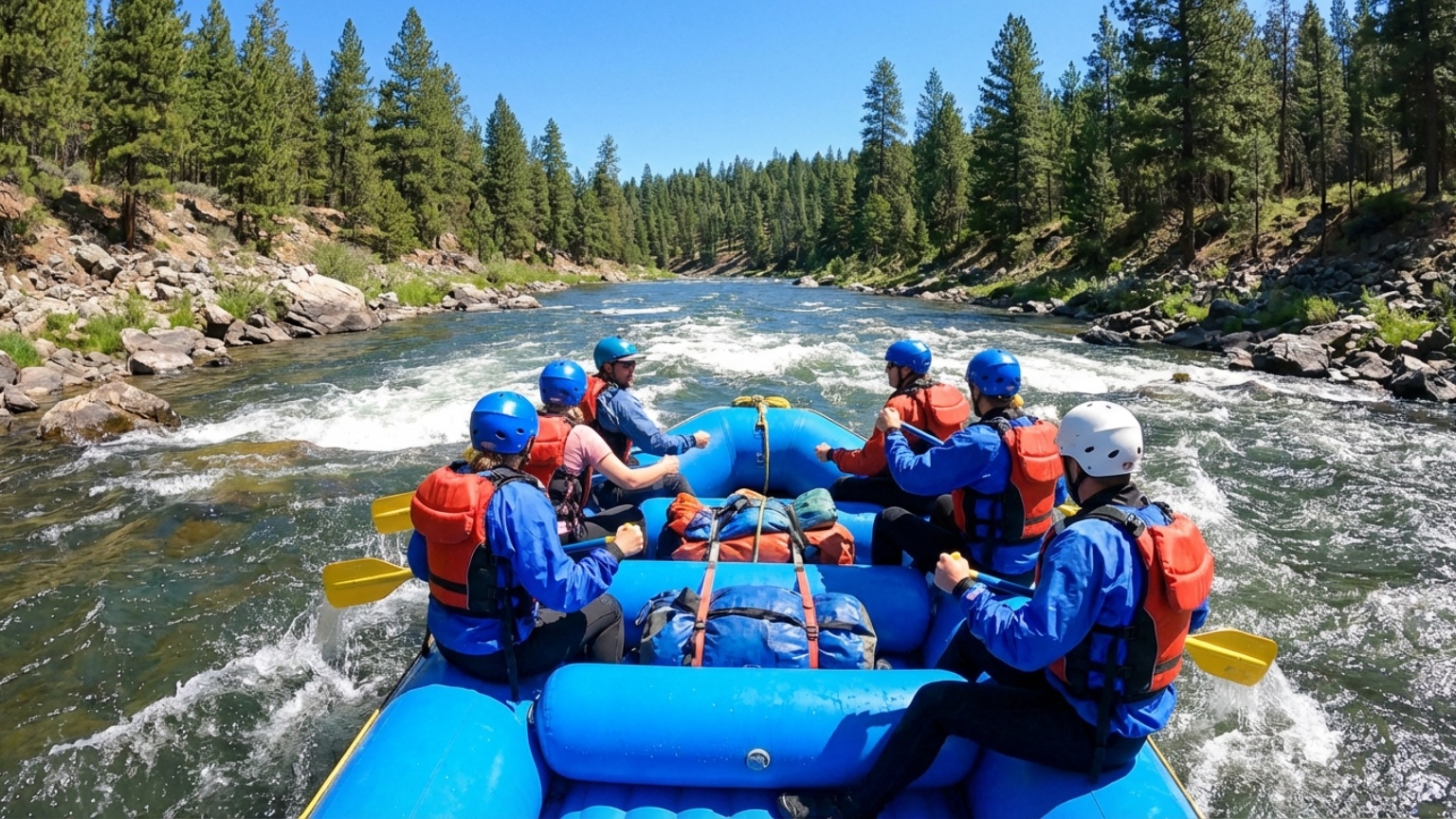
Many individuals seek thrilling outdoor activities but often feel uncertain about how to begin. The idea of navigating powerful rivers can seem daunting, leading to questions about safety, equipment, and the overall experience. Understanding the fundamentals of rafting helps clarify these initial concerns.
1. What is the definition of rafting and its main types?
Rafting is an outdoor activity that involves navigating a river using an inflatable raft. It offers an exciting way to experience natural waterways and combines adventure with teamwork. Participants work together to steer the raft through various water conditions. The type of rafting adventure depends heavily on the river’s difficulty and the desired experience.
- Whitewater Rafting: This type of rafting takes place on rivers with significant rapids, often rated Class III or higher. It demands physical effort and quick reactions from participants. For example, a group might navigate a series of challenging waves and drops, requiring everyone to paddle in sync to avoid obstacles.
- Scenic Rafting: Scenic rafting occurs on calmer sections of rivers, where the focus is on enjoying nature. It is a more relaxed experience, suitable for families or those seeking tranquility. Guests can observe local wildlife and beautiful landscapes as the raft drifts gently downstream.
- Multi-day Rafting: These longer trips combine rafting with overnight camping along the riverbanks. Participants spend several days immersed in the wilderness, making for a deeper adventure. This often includes meals cooked outdoors and sleeping under the stars after a day on the water.
- Paddle Rafting: In paddle rafting, all participants use paddles to propel and steer the raft. This creates a highly engaging and interactive experience for everyone on board. Each person contributes directly to the raft’s movement and direction, fostering strong teamwork.
- Oar Rafting: With oar rafting, a professional guide controls the raft using a set of large oars. Passengers can enjoy the scenery or help with light paddling if they wish. This allows the guide to manage the boat through more difficult sections, providing a safer and often more comfortable ride for guests.
Rafting offers diverse experiences, from thrilling whitewater adventures to peaceful scenic journeys. Choosing the right type depends on personal preference and the level of excitement desired by participants.
2. Why is the practice of rafting a beneficial and exciting activity?
Rafting is an activity that offers both physical challenge and mental excitement. It provides a unique way to explore natural river environments. Participants can enjoy the thrill of rapids while also seeing beautiful landscapes. This adventure brings many benefits beyond just a fun experience just fun experience.
- Physical Fitness: Rafting requires active paddling and good core strength. It helps improve cardiovascular health and builds muscle endurance.
- Teamwork and Communication: Navigating river currents demands strong coordination among all people in the raft. For example, a group must paddle in sync to successfully maneuver around a hidden rock or through a rapid.
- Connection with Nature: Rivers often flow through untouched natural areas. Rafting allows individuals to observe wildlife and enjoy pristine, remote environments.
- Stress Relief and Mental Well-being: The focus needed to navigate a river can be very calming and meditative. It helps reduce daily stress and offers a strong sense of accomplishment.
- Skill Development: Participants learn important skills like paddle control, understanding river currents, and basic safety procedures. This builds confidence and outdoor competency.
Rafting provides a powerful mix of adventure and personal growth. It is an activity that creates lasting memories and encourages a deeper appreciation for the outdoors.
3. How is a safe rafting trip planned and conducted?
A safe rafting trip requires careful planning and thorough preparation. This process ensures the well-being and enjoyment of all participants. It involves assessing river conditions, preparing essential equipment, and providing clear guidance. Expert planning makes the adventure both exciting and secure for everyone involved.
- Pre-trip assessment: Guides first evaluate the river’s current conditions and check weather forecasts. They also consider the group’s experience level to select an appropriate route.
- Equipment check: All essential gear, including rafts, paddles, helmets, and life jackets, must be in excellent condition. Each item receives a careful inspection before the trip begins.
- Safety briefing: Participants receive clear instructions on paddling techniques and emergency procedures. For example, they learn how to react if someone falls out of the raft during the ride.
- Trained guides: Experienced guides lead the trip, providing constant instruction and supervision. They possess deep knowledge of the river and can safely navigate challenging sections.
- Emergency protocols: A precise plan exists for any medical emergencies or unexpected situations. This ensures a quick and effective response if problems arise on the water.
Following these steps helps prevent accidents and promotes a positive experience for everyone. A well-organized trip allows participants to focus on the thrill of rafting with full peace of mind.
4. What are the essential steps for preparing for a rafting adventure?
A successful rafting adventure requires careful preparation. Planning ahead helps ensure safety and enjoyment on the water. Participants must consider several key factors before embarking on their trip. These steps make the experience smoother and more secure for everyone involved.
- Choose the right trip: Select a rafting trip that matches the skill level and experience of all participants. For example, beginners should start with calmer Class I or II rapids, while experienced rafters can try more challenging Class III or IV routes.
- Gather proper gear: Essential gear includes a helmet, a life jacket, and appropriate footwear that stays on in water. Sunscreen, a water bottle, and quick-drying clothes are also important for comfort and safety.
- Understand safety briefings: Always pay close attention to the guide’s pre-trip safety talk. This briefing covers paddling commands, what to do if falling out of the raft, and river hazards.
- Physical preparation: Rafting can be physically demanding, especially on longer trips or in rougher waters. Engaging in light cardiovascular exercise and strength training beforehand can improve stamina.
- Communicate with guides: Inform the rafting guides about any medical conditions or concerns before the trip begins. This allows them to provide the best support and ensure everyone’s well-being.
Following these preparatory steps significantly increases the likelihood of a safe and enjoyable rafting adventure. Proper planning allows participants to focus on the thrill of the river and the beauty of nature.