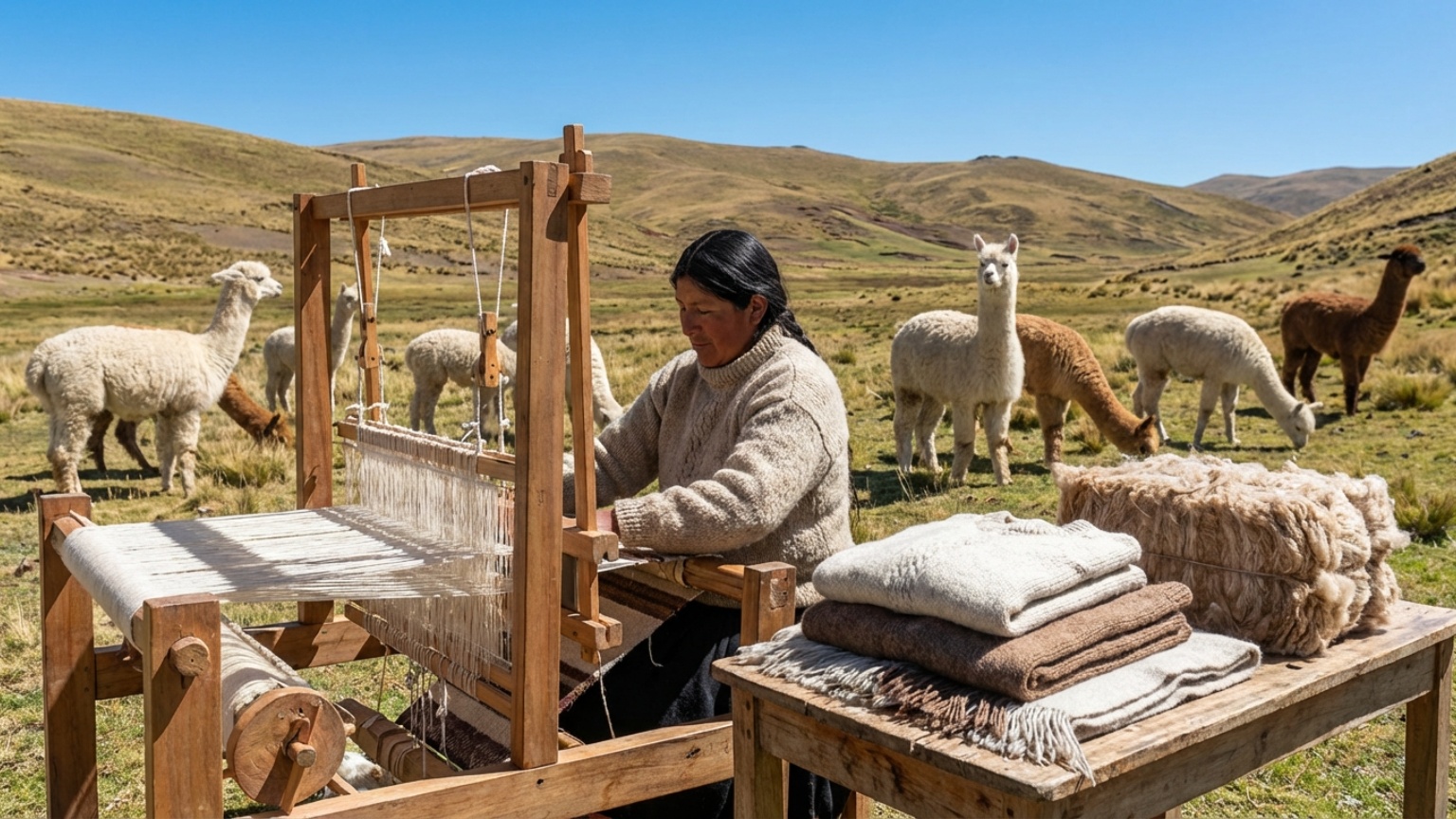
Consumers often seek clothing that balances luxury with ethical production. Finding garments that offer comfort and warmth without compromising environmental values can be challenging. This article explores sustainable alpaca clothing, providing insights into its unique qualities and responsible sourcing.
1. What is the definition of sustainable alpaca clothing?
Sustainable alpaca clothing refers to garments made from alpaca fiber using practices that protect the environment and support communities. This approach considers the entire product journey, from animal care to manufacturing. It ensures positive impacts for people, animals, and the planet.
- Ethical Sourcing: Alpacas are raised in their natural Andean habitats with care. Farmers use gentle shearing methods, prioritizing animal welfare.
- Environmental Impact: Alpacas have soft hooves and graze lightly, which helps protect pastures and reduce soil erosion. Alpaca fiber production also requires less water and fewer chemicals than many other natural fibers.
- Fair Labor Practices: These practices support economic stability for local communities involved in alpaca farming and crafting. Workers receive fair pay and work in safe environments.
- Durability and Longevity: Alpaca fiber is naturally strong and resilient, so garments last longer with proper care. This durability reduces the need for frequent replacements, which lowers overall consumption and waste.
- Biodegradability: As a natural fiber, alpaca wool is fully biodegradable at the end of its life cycle. It returns to the earth without leaving harmful microplastics or persistent pollutants.
Choosing sustainable alpaca clothing means making a conscious decision to support ethical production and environmental protection. It allows consumers to enjoy luxurious comfort while also contributing to a more responsible fashion industry.
2. What are the benefits of sustainable alpaca clothing?
- Low Environmental Impact: Alpaca farming has a small footprint compared to other livestock. For example, alpacas graze gently on native grasses, which helps prevent soil erosion often seen with other animals.
- Ethical Sourcing: Reputable producers ensure alpacas are treated humanely. This means animals live in good conditions and are shorn without harm.
- Long-Lasting Quality: Alpaca fiber is very strong and resilient. A high-quality alpaca sweater, for instance, can last for many years with proper care, reducing the need to buy new clothes often.
- Natural Comfort: Alpaca wool is soft, lightweight, and hypoallergenic. It keeps the wearer warm without bulk and also breathes well.
- Supports Local Communities: Many sustainable alpaca farms and producers work with indigenous communities. This helps create jobs and preserve traditional skills in regions like the Andes.
3. How is sustainability identified in alpaca clothing?
Sustainability in alpaca clothing involves several key factors. It focuses on how the fiber is sourced, its environmental footprint, and the welfare of the animals. Consumers can identify sustainable practices by looking for specific production methods and transparency from brands. This approach ensures that clothing production benefits both people and the planet.
- Ethical sourcing: This means workers receive fair wages and work in safe conditions. It supports the local communities where alpacas are raised.
- Low environmental impact: Alpacas are gentle on pastures, and their fiber processing uses less water and chemicals than other materials. The natural fiber is also biodegradable.
- Animal welfare: Sustainable practices ensure alpacas are treated humanely. This includes proper care, nutrition, and respectful shearing.
- Durability and longevity: Alpaca clothing is known for its strength and warmth, lasting many years. This reduces the need for frequent replacements, lowering overall waste.
- Traceability: Brands committed to sustainability often provide information about their supply chain. This allows consumers to verify the origin and production steps of their garments.
By understanding these elements, people can make informed choices when buying alpaca clothing. Choosing sustainable items supports ethical practices and helps protect the environment.
4. What are the considerations for purchasing sustainable alpaca clothing?
Buying sustainable alpaca clothing requires careful thought. Shoppers should consider a product’s entire journey, from fiber to finished garment. This includes ethical production practices and minimal environmental impact. Making informed choices helps support responsible manufacturing.
- Sourcing transparency: Knowing where the alpaca fiber comes from is important. Reputable brands often share information about their supply chain. For example, a company might openly state it partners with specific co-ops in Peru, showing clear traceability.
- Ethical treatment of alpacas: The welfare of the animals is a key concern. Buyers should look for assurances that alpacas are treated humanely. This means shearing practices do not harm the animals.
- Environmental impact: Production methods should minimize harm to the planet. This includes how water and energy are used, and if harmful chemicals are avoided. A brand might use natural dyes or have water recycling systems in its facilities.
- Durability and quality: A truly sustainable item lasts a long time. High-quality alpaca garments reduce the need for frequent replacements. A well-made alpaca sweater can last for decades with proper care.
- Fair labor practices: All workers in the supply chain deserve fair wages and safe conditions. This includes farmers, spinners, and weavers. A brand might work with artisan groups that pay living wages and offer benefits.
Considering these points helps buyers make informed choices. This also supports a more ethical and environmentally friendly fashion industry.