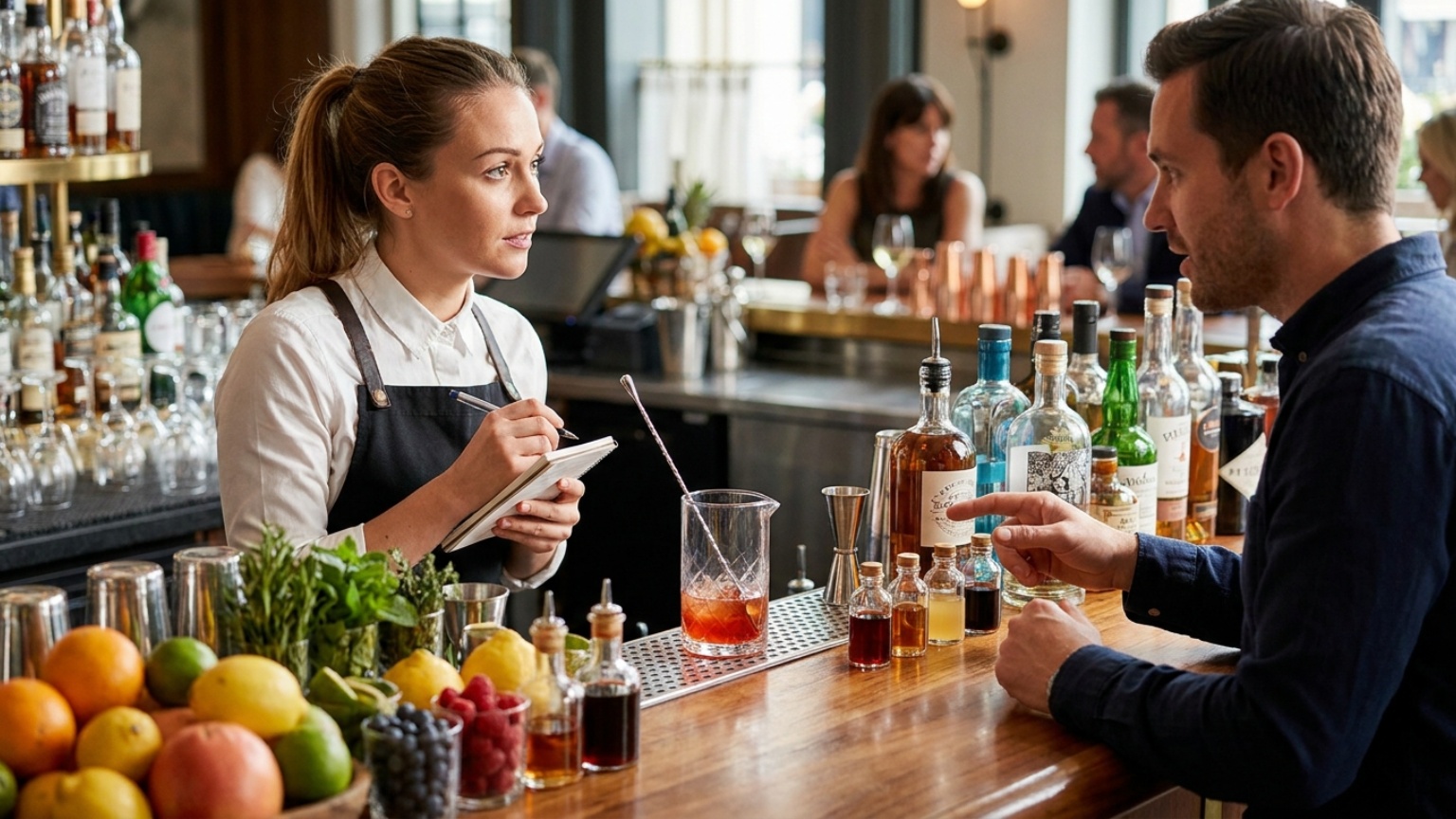
Many people find themselves choosing the same drinks repeatedly, leading to a predictable experience. The desire for something new and tailored to individual preferences is growing. This often leaves guests wanting more than a standard menu can offer. Personalized cocktails provide a solution to this common dilemma.
1. What is the concept of personalized cocktails?
Personalized cocktails are drinks made specifically for an individual’s tastes and preferences. This approach moves beyond standard menu offerings to create a unique beverage experience.
Bartenders or mixologists work with guests to understand their desired flavors, ingredients, and even their current mood. For example, a guest might request a drink that is not too sweet but has a strong citrus note and uses a specific type of whiskey.
- Individual Preference: This concept focuses on a guest’s specific taste profile. Some people prefer sweet drinks, while others like a more bitter or sour taste.
- Ingredient Selection: Personalized cocktails allow for custom choices of spirits, mixers, and garnishes. A guest with a specific dietary need, such as a gluten allergy, can ensure their drink uses appropriate ingredients.
- Dietary Needs and Restrictions: The bartender can adjust recipes to accommodate allergies, sugar intake, or alcohol content. For instance, a person avoiding sugar can receive a low-sugar or sugar-free version of a classic drink.
- Flavor Profile Exploration: Guests can explore new flavors based on their known likes and dislikes. If a guest enjoys tropical fruits, the bartender might suggest a cocktail featuring mango or passion fruit.
- Occasion and Mood: Drinks can be tailored to fit the event or the guest’s feeling at that moment. A light, refreshing cocktail might be perfect for a warm afternoon, while a richer, warming drink suits a cooler evening.
The goal is to provide a truly bespoke drinking experience that satisfies individual desires. This ensures each guest receives a cocktail that perfectly matches their unique palate.
2. Why are personalized cocktails a preferred choice for events?
Personalized cocktails offer a distinct advantage for any event because they create a memorable and unique experience for guests. They move beyond standard drink options, allowing hosts to reflect the event’s theme or their personal taste. This approach ensures every drink feels special, adding a touch of sophistication and thoughtfulness to the occasion.
- Enhanced Guest Experience: Personalized cocktails make guests feel valued and special. For example, a drink named after a guest of honor or an inside joke creates a unique memory.
- Theme and Brand Integration: These cocktails can perfectly match an event’s theme, color scheme, or even a company’s brand. A wedding might feature «His and Hers» cocktails, while a product launch could have drinks in brand colors.
- Dietary Needs Accommodation: Hosts can easily offer options for different dietary preferences, including non-alcoholic choices or specific spirit bases. This ensures every attendee has a suitable and enjoyable drink, like a refreshing mocktail for those who do not drink alcohol.
- Unique Conversation Starters: Distinctive drink options often spark curiosity and discussion among attendees. Guests enjoy sharing their drink choices and learning about the custom flavors.
- Controlled Inventory: Offering a curated selection of personalized drinks helps manage ingredient stock more effectively. This can reduce waste and often leads to more predictable costs for event planners.
Choosing personalized cocktails enhances the event atmosphere and leaves a lasting positive impression. They represent a thoughtful detail that elevates the entire celebration.
3. How does one create truly personalized cocktails?
Creating personalized cocktails involves understanding an individual’s specific preferences, moving beyond standard recipes. This approach ensures each drink perfectly matches the guest’s unique tastes and desires. It requires a thoughtful process of gathering information and then carefully selecting ingredients.
- Taste Preferences: This step asks about a person’s favorite flavors. For example, a guest might express a strong dislike for anything too sweet, guiding the creator towards more tart or bitter notes.
- Spirit Base: Identifying the preferred base spirit is crucial. One guest may always choose a gin-based drink, while another might prefer a whiskey cocktail.
- Ingredient Availability: Creators also consider what fresh fruits, herbs, or unique syrups are currently on hand. This ensures the chosen ingredients are practical to use.
- Occasion or Mood: The drink should match the event or how someone feels. A light, refreshing spritz suits a warm afternoon, but a rich, spirit-forward drink might be better for an evening gathering.
- Dietary Needs: It is important to account for allergies, sugar restrictions, or desired alcohol content. A guest might need a sugar-free option or a low-alcohol drink, for instance.
Making personalized cocktails requires careful listening and thoughtful ingredient selection. This method makes each drink a unique and enjoyable experience for the individual.
4. What should be considered when ordering personalized cocktails?
When ordering a personalized cocktail, several factors help ensure the drink perfectly matches your taste. Understanding your own preferences and clearly communicating them to the bartender is essential. This careful approach helps the bartender create a unique and enjoyable beverage specifically for you.
- Preferred flavor profile: Consider if you prefer sweet, sour, bitter, or spicy tastes in your drinks. For example, someone who enjoys a classic margarita likely prefers a balance of sweet and sour notes.
- Base spirit choice: Think about which types of alcohol you enjoy or want to avoid. A guest who likes gin might ask for a botanical-forward drink with fresh herbs.
- Specific ingredients to include or avoid: Mention any fruits, herbs, or other components you particularly like or dislike. If you have an allergy to nuts, it is vital to inform the bartender about this.
- Desired drink strength: Decide if you want a light, medium, or strong cocktail. A lighter option might include more non-alcoholic mixers, like sparkling water or juice, to reduce alcohol content.
- Overall mood or occasion: Consider whether you want a refreshing drink for a hot day or a comforting, complex one for an evening. A person seeking a vibrant, fruity drink for a summer afternoon would guide the choice towards certain ingredients and styles.
By considering these points, a person can effectively guide the bartender. This process leads to a personalized cocktail experience that truly satisfies their individual preferences.