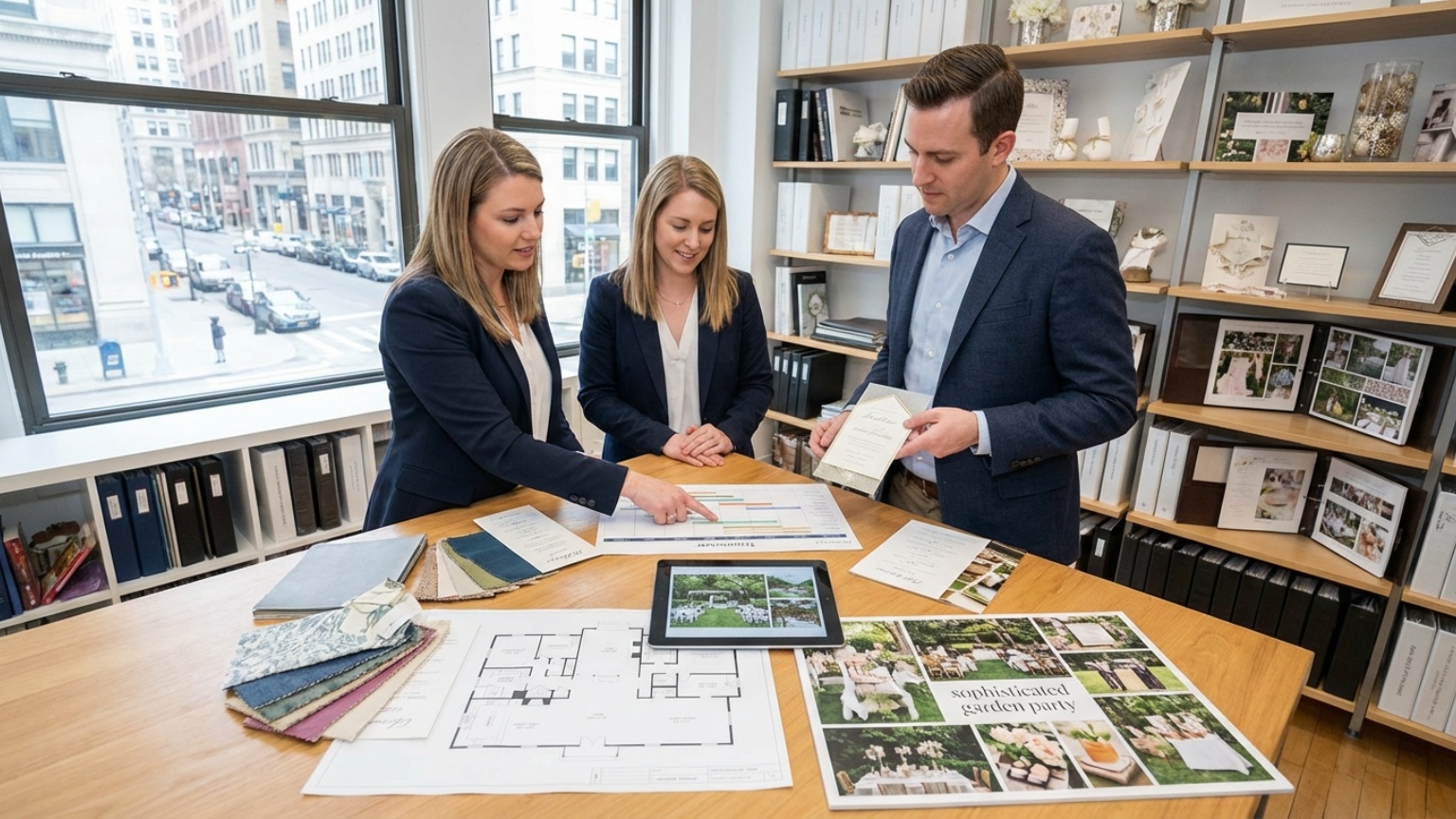
Many individuals find themselves overwhelmed by the numerous tasks involved in planning a special event. The desire to create a memorable gathering often clashes with the reality of managing logistics, vendors, and guest experiences. This challenge can turn an exciting prospect into a source of stress.
1. What is the organization of private parties?
The organization of private parties involves detailed planning and careful execution of an event for a specific group of guests. It focuses on creating a unique and personal experience for the host and attendees.
This process ensures every element aligns with the client’s vision and preferences, from small family gatherings to large celebrations. For example, planning a significant birthday celebration requires meticulous attention to the guest list, theme, and entertainment.
- Concept development: This step defines the event’s theme, style, and overall atmosphere. For example, a client might envision a sophisticated garden party or a vibrant themed celebration.
- Venue selection: Choosing the perfect location is crucial for any private party. This means finding a space that matches the event’s size, desired ambiance, and specific logistical needs, like a villa for an intimate dinner or a grand hall for a large anniversary.
- Vendor coordination: Managing various service providers is a key part of the process. This includes caterers, florists, entertainment, and photographers, ensuring all work together smoothly, such as coordinating a live band with the dinner service.
- Logistics management: This covers all operational aspects, such as guest invitations, transportation, and a detailed timeline for the event day. For instance, ensuring guests have clear directions or shuttle services is part of effective logistics.
- Budget oversight: Careful financial management keeps the event within the agreed spending limits. This involves tracking all expenses, from decorations to catering, and providing regular updates to the client.
Organizing private parties demands strong attention to detail and effective problem-solving. It ensures a smooth, enjoyable, and unforgettable occasion for everyone involved.
2. Why is professional private party organization beneficial?
Organizing a private party requires careful attention to many details. Professional party planners offer significant advantages by managing these complex tasks. They ensure a smooth process and create a memorable experience for guests and hosts.
- Expertise and Vision: Professionals bring extensive experience and creative ideas to every event. They can translate a client’s initial vision into a cohesive and stunning party theme, for example, designing a specific décor for a themed birthday celebration.
- Time Savings: Planning a party demands considerable time, from venue selection to vendor coordination. An organizer handles all these arrangements, allowing clients to focus on other personal or professional priorities.
- Vendor Access and Management: Organizers have established relationships with reliable and high-quality vendors. They manage contracts, schedules, and communication with caterers, entertainers, and decorators, ensuring everything runs on time.
- Budget Management: A professional helps define a realistic budget and keeps all spending within those limits. This prevents unexpected costs and ensures efficient use of resources for the event.
- Stress Reduction: Clients can relax and enjoy their own party without worrying about logistical issues. The organizer is present to manage any last-minute changes or challenges that may arise during the event.
Hiring a professional for private party organization leads to a more polished and enjoyable event. It allows hosts to fully experience their special occasion alongside their guests.
3. How is the organization of private parties approached?
Organizing private parties requires a detailed and personalized approach. It involves understanding the client’s specific desires and the event’s purpose. This careful planning ensures every detail contributes to a unique and memorable celebration. The aim is always to create an exclusive atmosphere tailored to the guests tailored the guests.
- Concept Development: The process begins by defining the party’s theme and overall vision. For example, a client might want an intimate garden party with a specific floral arrangement and a classical music quartet.
- Venue Selection: Choosing the right location is crucial for setting the tone. This involves finding a venue that matches the guest count, desired ambiance, and required facilities.
- Vendor Coordination: Managing various suppliers is a key part of the approach. This includes caterers, decorators, entertainment, and technical staff, ensuring they all work together smoothly.
- Guest Experience Design: Focusing on the attendees’ journey makes the party special. This means planning everything from invitations and seating arrangements to personalized favors and engaging activities.
- Logistics and On-Site Management: Detailed logistical planning covers setup, event flow, and breakdown. An on-site team manages all aspects during the party, ensuring smooth execution and quick problem-solving.
A structured approach to private party organization blends creative vision with precise management. This method consistently delivers exceptional and unforgettable experiences for clients and their guests.
4. What steps ensure successful private party organization?
Organizing a private party demands careful attention to many details. Success relies on a structured approach that covers all aspects from initial ideas to the event day. Each step plays a critical role in creating a memorable experience for guests. For example, planning a significant anniversary celebration requires thoughtful preparation at every stage.
- Concept and Budgeting: The first step involves defining the party’s vision, theme, and guest list. Establishing a clear budget early helps guide all after financial decisions and ensures realistic expectations.
- Venue and Logistics: Selecting an appropriate venue is crucial, considering the guest count and desired atmosphere. Coordinating practical elements like catering, seating arrangements, and basic equipment ensures comfort and functionality.
- Vendor Selection: Identifying and securing reliable suppliers for food, beverages, and entertainment is essential. Effective communication with these vendors prevents misunderstandings and ensures services meet expectations.
- Detailed Timeline: Developing a comprehensive timeline outlines all tasks and deadlines leading up to the event. This plan helps manage preparations efficiently and ensures everything is ready on time.
- Event Day Management: On the day of the party, careful oversight ensures all planned elements come together smoothly. Addressing any unexpected issues quickly helps maintain a pleasant environment for everyone.
Following these steps helps ensure a private party runs smoothly and achieves its intended purpose. Careful organization and execution are key to delivering an enjoyable and successful event.