Many diners seek unique culinary experiences that offer both flavor and interaction. Sometimes, finding a dish that allows for personal customization and a memorable meal can be challenging. This quest for a distinctive dining experience often leads to exploring traditional cooking methods.
1. What is carne a la piedra: The definition of hot stone cooking?
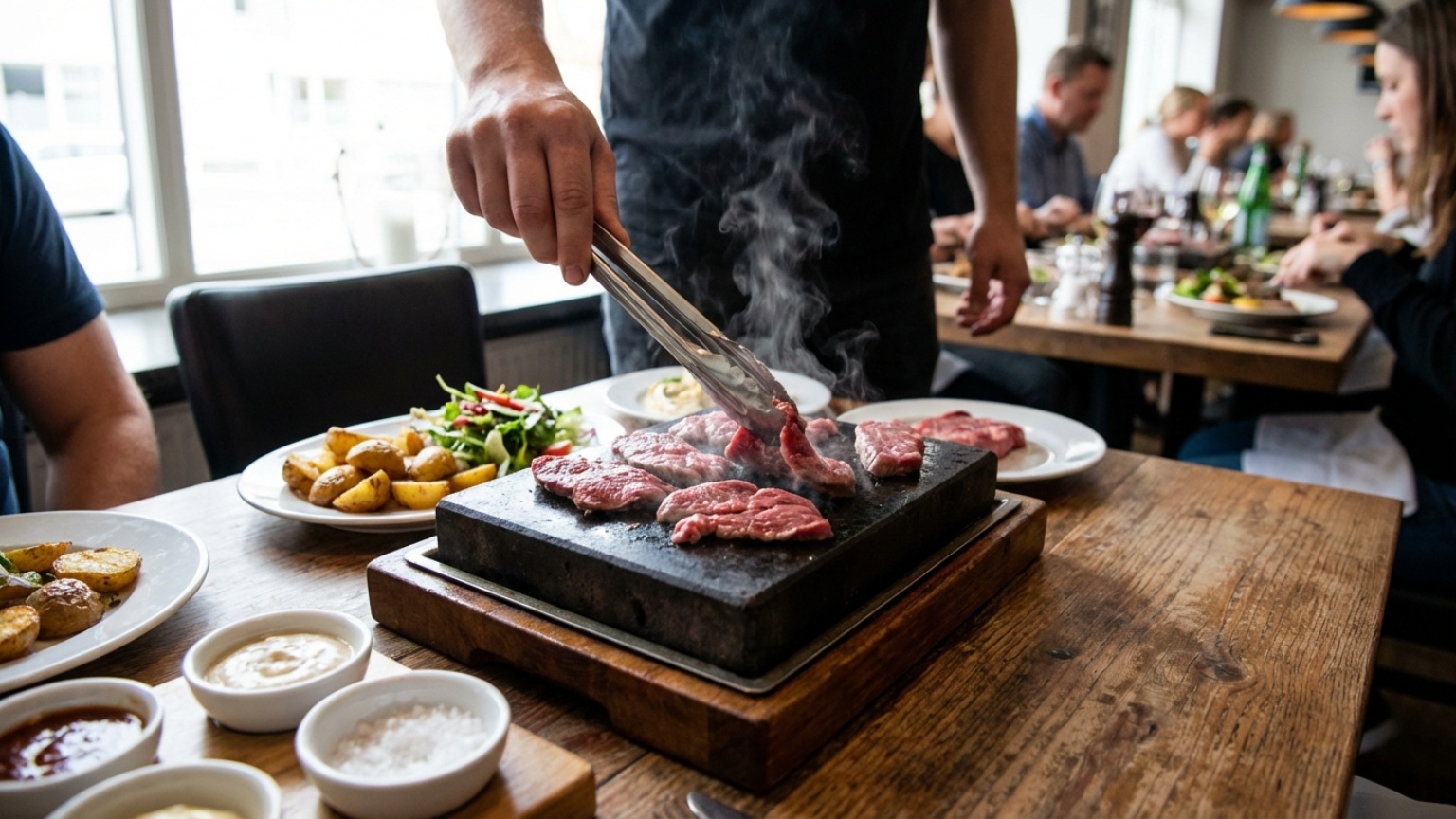
«Carne a la piedra» translates from Spanish as «meat on the stone.» This cooking method involves preparing food, typically meat, directly on a very hot stone at the diner’s table. It offers a unique and interactive culinary experience. For example, guests receive thinly sliced raw meat and cook it themselves to their preferred doneness.
- The Cooking Stone: Chefs heat a special volcanic stone to very high temperatures before serving it. This stone retains heat well, allowing for consistent cooking throughout the meal.
- Diner Participation: The core of this method is that diners cook their own food at the table. This allows each person to control the exact cooking time and level of doneness for their meat.
- Meat Selection: Restaurants often use high-quality cuts of meat, typically sliced thin for quick cooking. The meat usually comes lightly seasoned, letting its natural flavor stand out.
- Personalized Doneness: Diners can cook each piece of meat exactly as they like, from rare to well-done. This personal control ensures a satisfying meal tailored to individual preferences.
- Accompaniments: The meal often includes various sauces, salts, and side dishes like roasted vegetables or potatoes. These additions complement the meat and enhance the overall dining experience.
This method transforms a simple meal into an engaging event. It provides a fresh and enjoyable way to savor premium meat.
2. Why choose carne a la piedra: The benefits of this cooking method?
Cooking meat on a hot stone, known as carne a la piedra, offers several distinct advantages. This method provides diners with complete control over their meal preparation. It also enhances the natural flavors and textures of the meat. This unique cooking style ensures a fresh and engaging culinary experience.
- Personalized cooking control: Diners can cook each piece of meat precisely to their liking. For example, some may prefer their steak very rare, while others desire it well-done.
- Superior flavor and texture: The intense heat of the stone quickly sears the meat, locking in juices and creating a perfect crust. This process helps the meat maintain its natural tenderness and taste.
- Healthy preparation: Cooking on a hot stone typically requires no added fats or oils during the process. This method allows for a cleaner, purer taste profile without extra calories.
- Engaging social experience: Preparing food at the table transforms dining into an interactive event. It encourages conversation and shared enjoyment among guests, making the meal more memorable.
- Consistent heat retention: The volcanic stone maintains a high, even temperature throughout the meal. This ensures that every piece of meat cooks uniformly and stays warm until eaten.
Choosing carne a la piedra offers more than just a meal; it provides an interactive and flavorful dining journey. This method stands out for its freshness, control, and ability to bring people together.
3. How is carne a la piedra prepared: The process of cooking on a hot stone?
- Stone Selection and Heating: Restaurants choose specific stones, such as volcanic rock, because they retain heat well. These stones are heated to very high temperatures, often over 250 degrees Celsius, before being brought to the table.
- Meat Preparation: Chefs select high-quality cuts of meat, typically beef, and slice them thinly. The meat is often only lightly seasoned with salt, allowing its natural flavor to stand out.
- Tableside Cooking: Diners place individual slices of raw meat directly onto the hot stone. The intense heat quickly sears the meat, letting each person cook it to their desired doneness. For example, a guest can cook a piece of sirloin for just a few seconds for rare or longer for well-done.
- Accompaniments and Sauces: Carne a la piedra usually comes with various side dishes, like roasted potatoes or grilled vegetables. A selection of dipping sauces is also provided to enhance the meat’s flavor.
4. What to consider for carne a la piedra: The selection and enjoyment of the meat?
Choosing the right meat is crucial for an excellent `carne a la piedra` experience. The method of cooking on a hot stone highlights the natural flavors of the beef. Therefore, careful selection directly impacts the quality and taste of the meal. Focusing on specific cuts and their characteristics ensures a delightful dining experience.
- Meat Cut: Select cuts known for tenderness and good marbling. Popular choices include sirloin, ribeye, or tenderloin. For example, a well-marbled ribeye offers a rich flavor that develops beautifully as it cooks on the hot stone.
- Meat Quality and Origin: Prioritize high-quality meat from trusted sources. Dry-aged beef can also offer a more concentrated flavor profile. Selecting meat from a reputable butcher ensures better taste and texture.
- Thickness of the Cut: Aim for slices about 1 to 1.5 inches thick. This thickness allows for a good sear on the outside while keeping the inside juicy. A slice too thin might overcook quickly before developing a desirable crust.
- Preparation Before Cooking: Always bring the meat to room temperature before placing it on the hot stone. This step helps the meat cook more evenly. Letting the steak rest out of the fridge for 30 minutes improves its final texture.
- Accompaniments and Sauces: Keep sides simple to let the meat be the star of the dish. Fresh sea salt, cracked black pepper, and a high-quality olive oil often suffice. These simple additions enhance, rather than mask, the meat’s flavor.
Proper meat selection and preparation are key to enjoying `carne a la piedra`. These considerations ensure each bite is flavorful and perfectly cooked. The focus remains on the inherent quality of the beef itself.